Hong Kong's High Finance Dismantles Its Marble Thresholds
The compression of discretionary private wealth management into retail mobile banking shifts the civic relationship between urban savers and financial power.
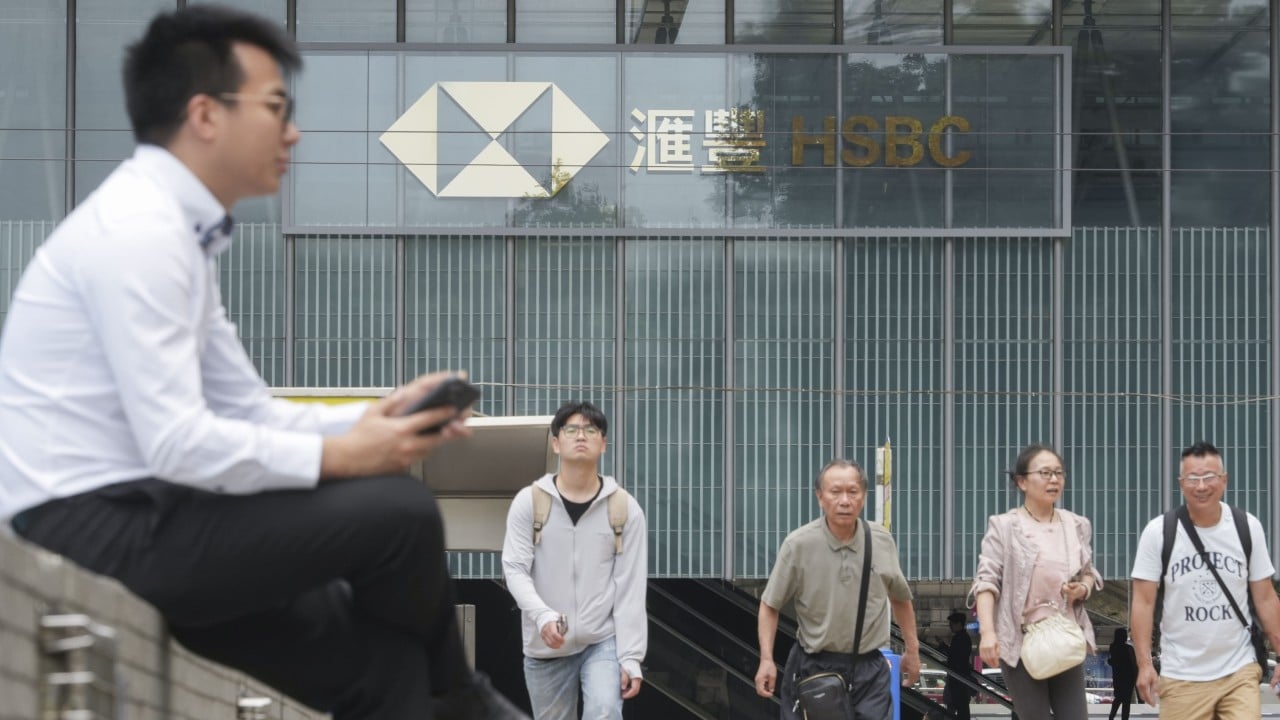
HONG KONG
The towering glass concourses of Central in Hong Kong have long presented professional asset management as an architecture of physical separation, where private wealth institutions operate behind hushed reception desks and high elevator banks. Arrival in this financial capital traditionally demands an acute instinct for elevation, teaching newcomers that balance sheets determine which floor an individual is permitted to enter. Capital in the territory has rarely concealed its hierarchy, making physical exclusivity part of the local landscape.
Now the gatekeepers appear to be dismantling that physical foyer in favour of software. As reported on 15 Oct 2026 by Enoch Yiu, HSBC launched Portfolio+, an offering designed to bring discretionary management to retail banking customers through mobile applications. The bank structured the service to permit retail clients to delegate portfolio construction with a lump sum of HK$10,000 or regular contributions starting at HK$1,000 per month, equivalent to US$128. According to Hong Kong’s largest lender, the explicit aim is attracting younger, tech-savvy customers who conduct their economic lives through handheld screens rather than private banking lounges.
The Architecture of Delegated Wealth
Discretionary investment originally built its reputation on human exclusivity and significant capital thresholds. Wealthy families surrendered large sums to individual managers who evaluated macroeconomic crosscurrents on their behalf, conferring social status alongside bespoke attention. When that discretion is compressed into an automated interface for US$128 a month, the underlying transaction undergoes a qualitative change. Rather than acquiring bespoke stewardship, retail savers effectively enter into standardized algorithmic distribution that operates at scale.
Proponents of digital financial products reasonably argue that lowering entry thresholds democratises wealth creation. Structured portfolios can shield novice savers from the volatility of unhedged equity speculation, providing disciplined risk management that unassisted retail trading rarely achieves. A modest recurring allocation into diversified assets offers practical shelter for younger workers coping with stubborn living costs across Asian financial hubs, instilling saving habits that might otherwise never take root.
Yet this delegation introduces subtle shifts that conventional balance sheets tend to obscure. Surrendering small monthly sums to prepackaged strategies risks turning personal saving into a passive utility, resembling a recurring media subscription rather than active capital stewardship. When personal finance operates primarily as an automated background deduction, direct engagement with market structures and corporate accountability can easily recede. Savers risk being repositioned as passive consumers of managed outcomes rather than participants who interrogate the economic forces around them.
Capital Without Agency
Financial centres cultivate specific social habits among their residents over generations. In Hong Kong, daily exchanges across train carriages and neighbourhood noodle shops have historically crackled with intense debates over equity movements, property cycles, and currency swings. That widespread vernacular literacy reflected an urban population determined to parse economic power directly, even when operating with modest wages and limited resources.
Delegating that calculation to a banking application threatens to dull that regional instinct for scrutiny. The retail investor risks turning into a detached account holder who watches a digital dashboard fluctuate without examining the underlying mechanics of asset allocation. In that trade-off, algorithmic convenience may well displace analytical comprehension, leaving users dependent on black-box methodologies.
What this city ultimately asks of those who navigate its streets is an unblinking awareness of how capital shapes daily survival. By inviting younger savers to surrender portfolio decisions for the price of HK$1,000 a month, the financial sector offers ease while potentially softening public vigilance. The quiet towers of Central have not opened their inner chambers to the street; rather, they appear to have devised a mechanism to fold the street into their balance sheets.
Sources
Newsletter
Pacific Daily
A curated briefing from Thailand, Asia-Pacific and the world.