Historic Charm vs. Demolition: Sri Lanka's Property Dilemma Echoes Across Asia
The case of Beach Wadiya highlights a recurring tension between heritage value and development incentives, particularly in emerging markets where tourism and infrastructure projects often clash with established cultural landmarks.
SINGAPORE
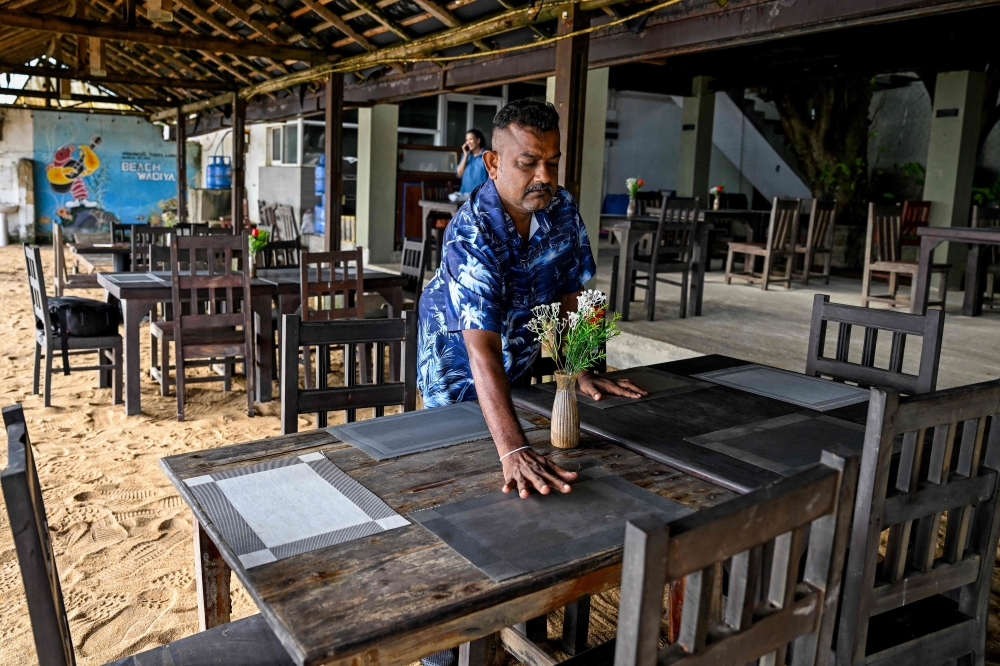
The reported demolition plans for Sri Lanka’s Beach Wadiya, a seafood restaurant noted for hosting figures such as Princess Anne and Richard Branson, illuminate a fundamental tension in property markets across Asia. The establishment, characterized as a shack, faces removal in Colombo, a decision that underscores the prevailing dynamics between land value, development objectives, and perceived cultural significance.
The immediate signal from Colombo is clear: historic or celebrity association alone does not guarantee a property's longevity when it occupies valuable land targeted for other uses. While the specific drivers behind Beach Wadiya's demolition are not detailed, such actions typically stem from either direct government infrastructure projects or private sector redevelopment. In either scenario, the yield assumption on the land has shifted. A small-scale, informally structured business, regardless of its anecdotal fame, cannot generate the same return on investment as a high-rise, a commercial complex, or a luxury resort.
This pattern is not isolated to Sri Lanka. Thailand and other Asia-Pacific economies frequently navigate similar conflicts. Cities like Bangkok or Phuket have seen traditional markets, old shophouses, and even long-standing eateries give way to condominiums, shopping malls, or expanded transport networks. The incentive for landowners and developers aligns with maximizing land utility and financial return, often overriding arguments for preservation based on cultural value or sentimental attachment. For property markets, this represents a rational, if often contentious, allocation of resources.
However, the winners and losers in such scenarios are distinct. Developers and infrastructure planners gain valuable land. The local economy may see short-term construction booms and new, more modern facilities. But the original proprietors, and often the surrounding community, lose a piece of their established landscape and, in many cases, their livelihoods without clear pathways to equivalent compensation or relocation. The tourist appeal of authentic, quirky establishments, which can contribute to a destination's unique identity, also diminishes.
The unresolved constraint in this dynamic is the absence of robust, monetized valuations for intangible heritage. While Beach Wadiya's celebrity patronage is noted, its economic contribution as a unique draw for tourism, beyond its direct revenue, remains unquantified. Until such cultural and historical values can be effectively integrated into economic models or protected by enforceable heritage laws, projects like Beach Wadiya will continue to be vulnerable. The outcome hinges on whether governments prioritize short-term development yields or invest in frameworks that recognize and preserve cultural assets as long-term economic and social capital.
Sources
Newsletter
Pacific Daily
A curated briefing from Thailand, Asia-Pacific and the world.