Frigate Deal Highlights Thailand's Balancing Act Amid Regional Competition
The Royal Thai Navy's acquisition of a new frigate from South Korea signals pragmatic defence procurement, but also underscores persistent regional tensions.
SINGAPORE
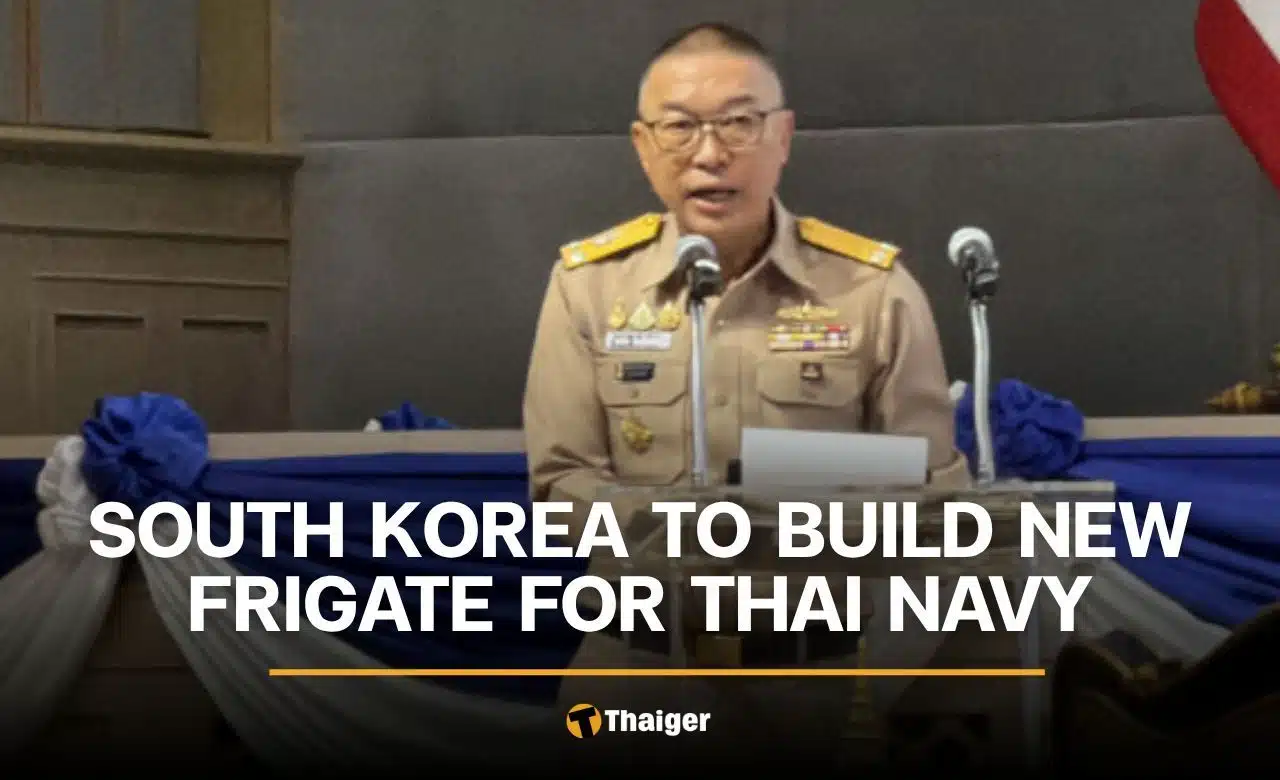
The Royal Thai Navy's decision to procure a new frigate from Hanwha Ocean of South Korea for 16.73 billion baht, approximately US$496 million, represents a significant defence acquisition. The navy announced on September 18 at a press conference in the Chao Phraya Room at the navy auditorium that the process was transparent and rules-based. Navy commander-in-chief Admiral Pairoj Fueangchan delivered the announcement, specifying that the project encompasses the frigate, its onboard systems, equipment, spare parts, documentation, logistical support, training, and warranties.
This procurement follows a pattern of Thailand diversifying its military hardware suppliers, a strategy that often aims to avoid over-reliance on any single major power. While the navy characterized the selection process as transparent, the immediate implication for Thailand is the continued modernization of its naval capabilities. Such modernization is a recurrent theme among Southeast Asian nations, many of whom navigate complex geopolitical dynamics and rising military expenditures in the broader Asia-Pacific.
The choice of a South Korean supplier over alternatives, such as Chinese or European shipbuilders, suggests a calculated approach. South Korea has emerged as a significant player in the global arms market, offering technologically advanced equipment. This transaction provides South Korea with a substantial export deal, reinforcing its industrial base and international standing. For Thailand, the immediate benefit is an upgrade to its naval fleet, intended to bolster its maritime defence and regional influence.
However, defence spending, especially on large-scale procurements like frigates, carries an inherent cost beyond the immediate budget allocation. The long-term implications include ongoing maintenance, operational expenses, and the potential for technological dependencies. While the navy’s spokesperson, Rear Admiral Parat Rattanachaiphan, detailed the scope of the package including training and logistical support, these are significant commitments that fall on the Thai taxpayer. The strategic value of such an acquisition is often framed in terms of national security and regional stability, yet the day-to-day burden of funding and maintaining these assets typically falls on the civilian economy.
The wider habit across the Asia-Pacific region indicates a consistent trend of military buildup. As nations like Thailand acquire sophisticated naval assets, a regional arms race, or at least a sustained period of defence enhancement, appears to continue. This can create a cycle where one nation's procurement prompts others to follow suit, leading to increased tensions or at minimum, a reallocation of national resources towards military rather than social spending. The acquisition of a new frigate for the Royal Thai Navy, while presented as a domestic modernization effort, will inevitably be viewed within this broader context of regional strategic competition, and the costs will continue to accumulate.
Sources
Newsletter
Pacific Daily
A curated briefing from Thailand, Asia-Pacific and the world.