Digital Stamp Trial: Singapore Post’s Cost-Cutting Effort in a Shrinking Market
Singapore Post's six-month trial of digital stamps for basic domestic mail reflects a pivot towards efficiency, but its impact on broader postal financials and user adoption remains to be seen.
SINGAPORE
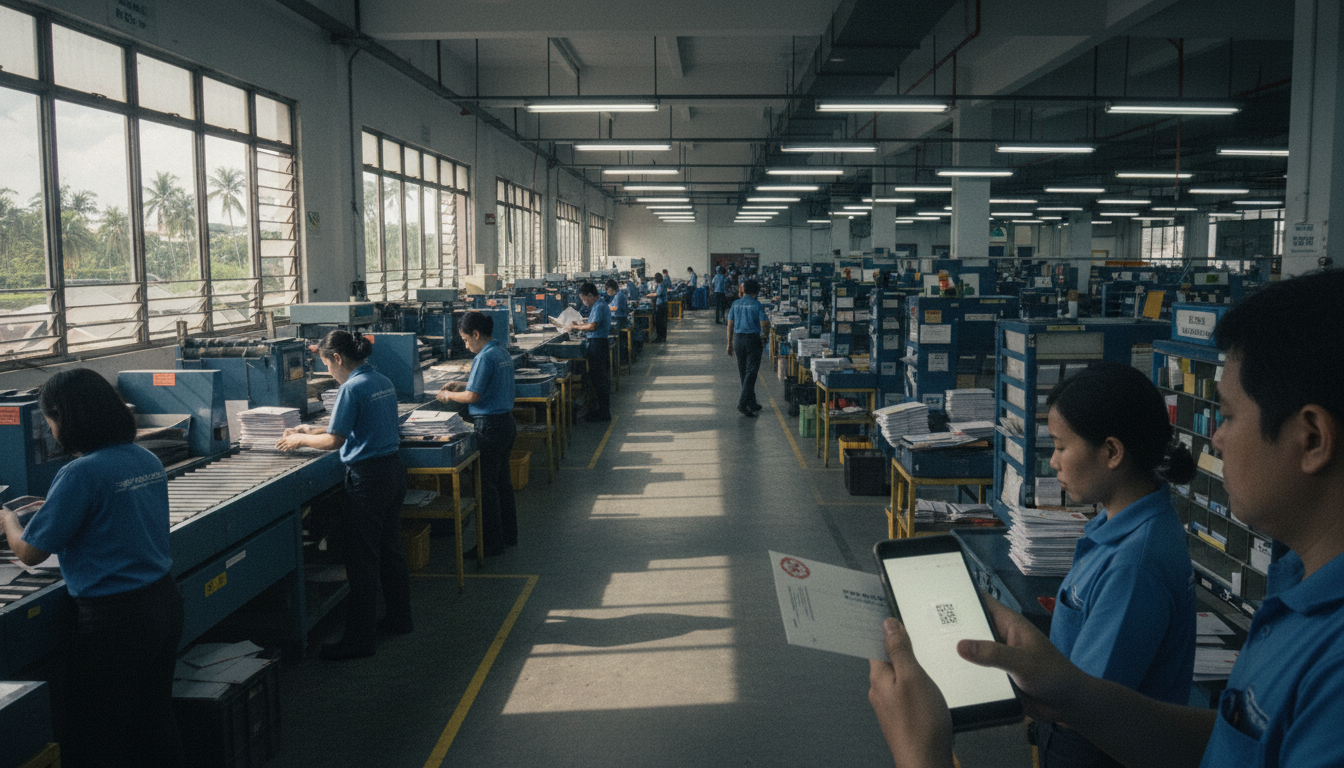
Singapore Post (SingPost) has initiated a six-month trial for digital stamps, which are usable only for basic domestic mail including letters, postcards, and printed paper items. This move, reported on October 8, 2026, marks the postal operator’s latest attempt to streamline services in a declining traditional mail market.
While some describe the new system as making mailing “as seamless as sending a message,” the core function of digital stamps for basic domestic mail addresses a cost pressure point. Digital solutions inherently reduce the need for physical stamp production, distribution, and potentially the manual processing associated with traditional stamps. The question for a market realist then becomes, at what volume does this system yield significant savings for SingPost, and what is the actual cost implication for the end-user?
The trial follows previous innovations, such as SingPost unveiling smart stamp and letterbox prototypes in September 2019. These efforts consistently point to an underlying need for operational efficiency and cost reduction within a business model facing structural challenges. Mail volumes, particularly for basic domestic categories, have been in decline globally as digital communication channels become dominant. This trial is less about increasing mail volume and more about optimising the dwindling mail that remains.
Introducing digital stamps could offer some convenience for consumers who prefer online transactions. However, the impact on the broader postal service will depend on adoption rates and the cost efficiencies realised across the entire mail processing chain. Basic domestic mail represents a segment where margins are typically thin, and any cost savings, even incremental, could be valuable. The specific types of mail eligible — letters, postcards, and printed paper items in an envelope — are precisely those categories that have been most affected by digital substitution.
For the Asia-Pacific region, SingPost’s trial offers a glimpse into how traditional postal services are adapting. Many regional operators grapple with similar declines in physical mail and increasing pressure to modernise. The success or failure of such trials in a dense urban environment like Singapore could provide a model, or a cautionary tale, for other postal services considering similar technological shifts. The primary beneficiaries of this system are likely SingPost, through potential cost savings, and a segment of its customers who value digital convenience. Those who continue to rely on traditional mail services, particularly those without easy access to digital platforms, might see little direct benefit.
Operational savings must outweigh the investment in digital infrastructure; potential customer alienation also weighs on the ledger. The six-month trial will determine if digital stamps represent a viable path to improved financial health for SingPost, or merely a temporary solution.
Sources
Newsletter
Pacific Daily
A curated briefing from Thailand, Asia-Pacific and the world.