Culinary Heritage and the Premium Supply Chain
How domestic baking instructions commodify sentiment while obscuring real market frictions
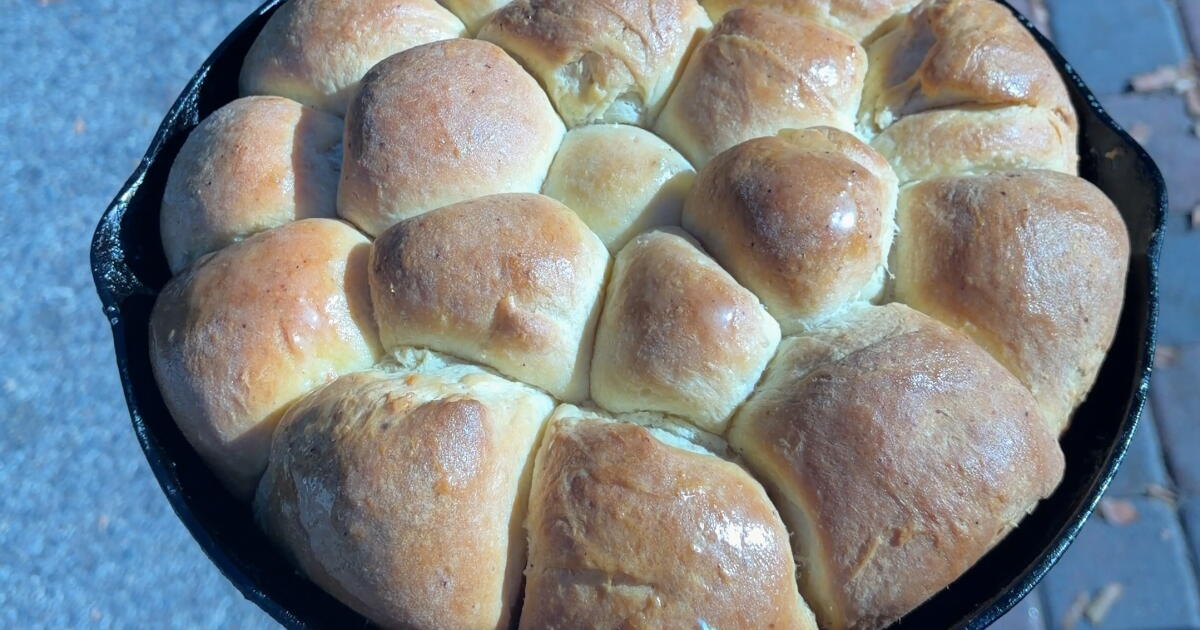
Domestic culinary rituals routinely disguise commercial supply mandates as emotional devotion. When holiday food commentary promotes home baking as an uncompromised family gesture, it typically introduces specific ingredient benchmarks that redefine basic domestic labour into an exercise in selective consumption. An updated archival preparation published in November 2026 by the Los Angeles Times Food desk illustrates this transition with clinical precision. Adapting formulas first collected in The Gift of Southern Cooking by Edna Lewis and Scott Peacock, the guidance positions holiday dinner rolls not merely as staple carbohydrates, but as intentional manifestations of personal care.
That framing requires scrutiny. Scott Peacock explicitly describes these yeast rolls as an edible manifestation of love and care directed toward guests. Yet the practical execution hinges immediately on elevated sourcing mandates. Home bakers are urged to procure dusty, well-cured russet potatoes, organic sugar, and organic King Arthur flour. The transition from communal celebration to curated ingredient procurement occurs almost imperceptibly, substituting heritage sentiment for standard pantry inputs.
Sourcing Standards and Culinary Mythologies
The tension between tradition and premiumization exposes an unresolved contradiction in modern food commentary. Regional American foodways, shaped historically by necessity and agrarian thrift, are systematically repackaged for audiences who must purchase authenticity through specialised retail channels. Calling for organic King Arthur flour and specific cured potatoes asserts a standard of domestic virtue that correlates directly with commercial access.
These rolls, Peacock says, are an edible manifestation of love and care for those you share them with.
Proponents of specialized recipes contend that ingredient purity directly governs chemical performance in fermentation and crumb structure. High-grade starches and unbleached grain flours undoubtedly yield predictable baking textures. Peacock concedes that cooks may use whatever provisions they have access to, temporarily softening the prescriptive tone. Nevertheless, presenting organic specifications alongside emotional obligations establishes a distinct hierarchy: optimal domestic affection is best demonstrated through certified inputs.
The Friction of Transpacific Domesticity
For consumers and food operations across the Pacific Rim observing North American holiday consumption trends, this dynamic reveals how Western heritage brands project authority abroad. Western domestic rituals increasingly travel across import channels as premium cultural templates. In urban retail markets from Bangkok to Tokyo, imported boutique grains and specific holiday customs are marketed as sophisticated domestic milestones rather than simple regional cooking. When cultural prestige is tethered to branded American grain producers, the culinary narrative ceases to be about universal comfort and becomes an exercise in specialty freight.
Stripping away the rhetoric of seasonal generosity exposes the structural reality. Food media relies on legacy texts like that of Edna Lewis to anchor authority, yet contemporary revisions continually insert modern commercial categories into historical techniques. Sourcing expensive organic commodities does not verify generational affection. It merely demonstrates that even the humble dinner roll can be reframed into an exacting consumer test.
Sources
Newsletter
Pacific Daily
A curated briefing from Thailand, Asia-Pacific and the world.