Canada’s Slow Travel Recovery to US Signals Broader Headwinds
Despite six consecutive months of growth in Canadian travel to the United States, 2025's deep decline suggests a fragile rebound for international tourism, with implications for Asia's recovery.
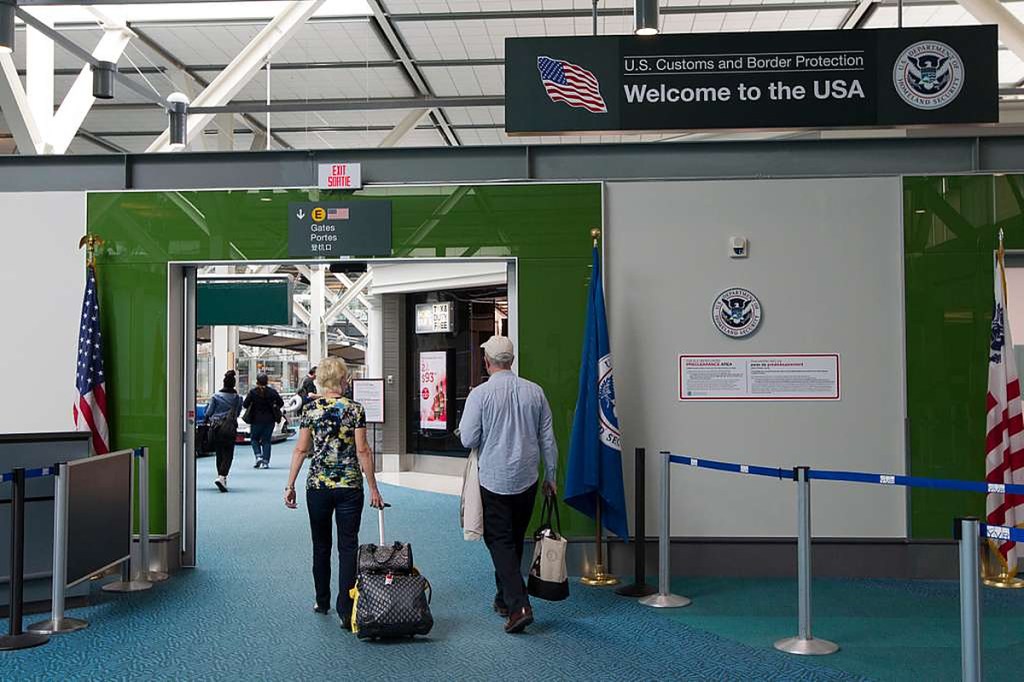
Canadian-resident return trips from the United States rose 6.8% in September. This marked the sixth consecutive month of year-over-year growth, according to figures released by Statistics Canada. While continuous increases might suggest a robust recovery, closer examination reveals a more nuanced picture. These gains follow an "unusually soft 2025," as Skift reported on 2026-10-13. Critically, travel numbers remain "far below 2024 levels."
For a market realist, this indicates the current upward trend is less about exceeding previous performance and more about gradually recovering lost ground. The 2025 decline was significant. Canadian tourism to the U.S. was reportedly down 33% in June 2025, according to Forbes on 2025-07-10. This period also saw reports from the BBC in November 2025 about a “Canadian boycott of US travel” showing no signs of slowing. Such a severe drop means that even sustained growth over six months may only bring volumes back toward a pre-2025 baseline, not necessarily to pre-pandemic or even 2024 benchmarks.
This pattern has implications for hospitality markets elsewhere, including Thailand and the wider Asia-Pacific region. International tourism, while vital, is exposed to economic shifts and consumer confidence. The Canadian example highlights that while demand may return, its pace and scale are directly linked to the depth of prior downturns. Where economic fundamentals remain soft, as suggested by Canada's manufacturing PMI showing activity declining for a sixth straight month in July 2025, according to Reuters, discretionary travel spending will lag. Even as the Canadian factory PMI edged higher in July 2026, Reuters noted it still contended with "war-linked supply disruptions."
The recovery of long-haul markets often relies on both a sustained desire to travel and the financial capacity to do so. The slow return of Canadian travelers to the U.S. suggests that even proximate, culturally similar destinations struggle to regain pre-crisis momentum swiftly. This reality underscores the challenge for Asia-Pacific destinations that are further afield and compete for a share of a budget-conscious global traveler pool.
While six months of growth is positive, the fact that volumes are still "far below 2024 levels" indicates the industry's recovery trajectory is constrained by the extent of the preceding decline. The real test for the hospitality sector in any region is not merely growth, but growth that meaningfully exceeds previous highs and adjusts for inflation. For now, the narrative remains one of recovery, not expansion. The outcome now depends on how quickly underlying economic conditions improve to support a full return to prior spending habits.
Sources
Newsletter
Pacific Daily
A curated briefing from Thailand, Asia-Pacific and the world.