Calendar Scarcity and the Retail Economics of November Stones
Seasonal merchandising leans on birthstone traditions to command fine jewellery markups on accessible mineral stock
SINGAPORE
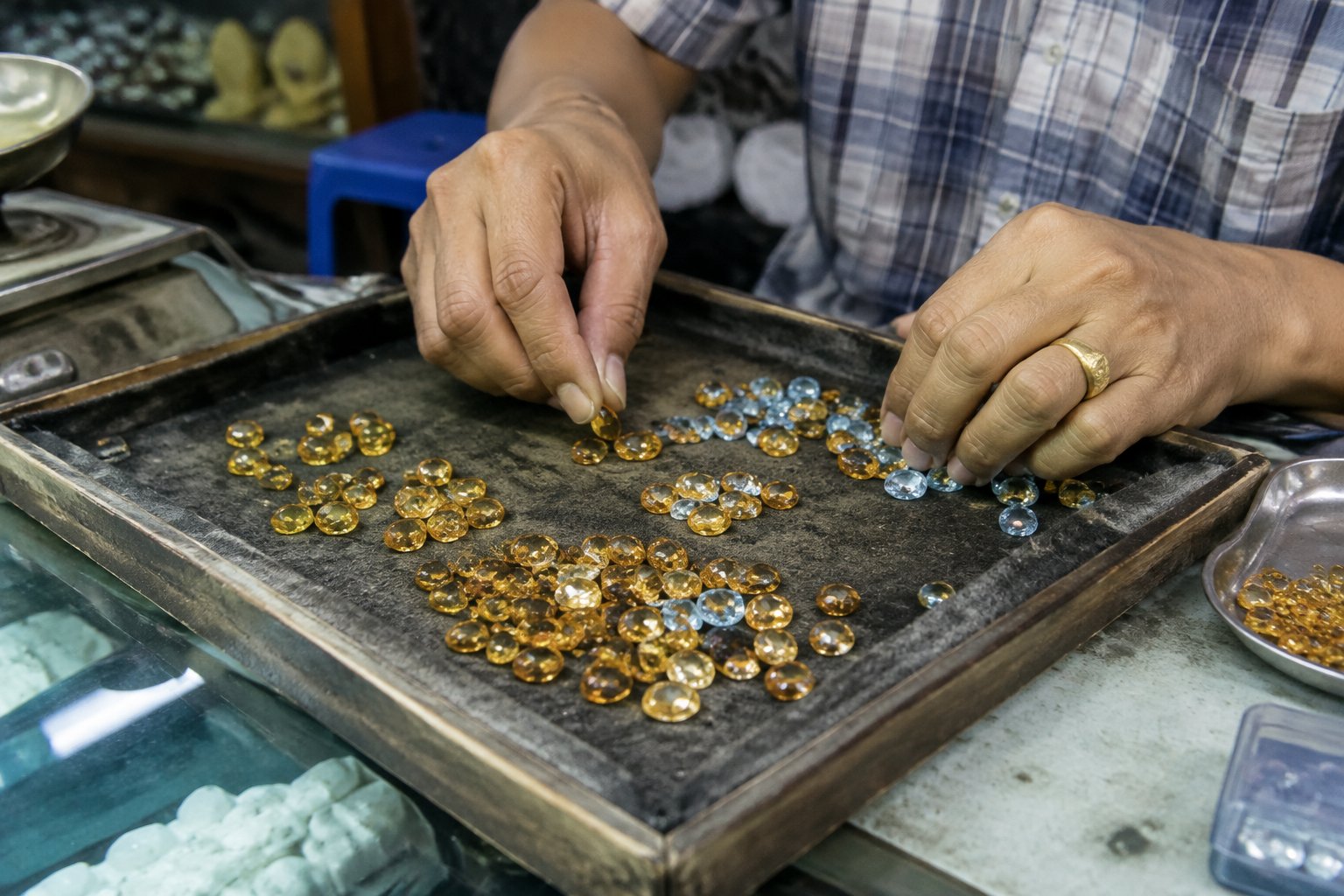
Retail jewellery houses operate on a basic commercial friction: genuine geological scarcity is finite, yet merchandising calendars require predictable annual sales spikes. Each November, brand marketing across the Asia-Pacific pivots to highlight topaz and citrine, casting blue rings and golden pendants as timely acquisitions tied to personal identity. The promotional mechanism exposes how the high-end accessories trade manufactures commercial urgency when raw material rarity is absent.
Every month claims an assigned gem. The underlying market reality, however, separates quartz-family varieties and common silicate deposits from tier-one investment gems. To sustain premium pricing across entry-tier collections, merchandisers must rely on cultural narratives rather than raw mineral scarcity. Attributing ancient protective properties or invoking lore surrounding the Merchant’s Stone creates perceived heritage. That narrative positioning substitutes for the geological infrequency that these stones lack.
The Commercial Logic of Birthstone Cycles
A report by Shatricia Nair for Channel News Asia illustrated this dynamic in November 2026, documenting how design houses assemble golden citrine pendants and blue topaz rings into seasonal lines. The coverage catalogued pieces pairing golden warmth with cool blue tones across fine jewellery and watch dials. Behind the visual styling lies an operational calculation.
Fine watchmakers face substantial fixed expenditures for casing, finishing, and boutique retail overhead. Incorporating minerals that command relatively modest wholesale acquisition prices enables manufacturers to protect gross operating margins while presenting accessible retail entry tiers. Rotating showroom displays in tandem with the calendar produces predictable commercial turnover, insulating sales volume from unpredictable shifts in consumer spending.
Industry advocates maintain that calendar-anchored collections simply answer authentic consumer demand for milestone gifts. Under that view, curated selections provide a functional service by simplifying purchases and broadening design options beyond diamonds. That perspective accounts for consumer participation, but it overlooks the retail pricing structure: finished pieces housing quartz or treated topaz frequently carry retail markups comparable to those applied to far scarcer minerals.
Liquidity Gaps on the Secondary Market
The fundamental conflict for the buyer emerges at the point of resale. Fine jewellery promotions position golden citrine and blue topaz within the visual language of lasting personal heirlooms. Secondary market buyers, by contrast, evaluate common minerals with rigorous pricing discipline. Liquidity for quartz settings consistently fails to reflect initial retail counter margins.
Design houses bridge this gap by prioritizing house signature and craftsmanship over liquidation value. Retail sales will continue to benefit from this promotional cycle so long as shoppers accept calendar timing as a legitimate foundation for premium retail valuation. The unresolved contradiction remains whether consumers will continue paying structural scarcity markups for minerals defined by calendar dates rather than supply constraints.
Sources
Newsletter
Pacific Daily
A curated briefing from Thailand, Asia-Pacific and the world.