Hong Kong's Vann Jewellery Navigates the Commercial and Creative Divide
While fashion often seeks to capture fleeting trends, some Asian designers prioritize narrative over social capital, challenging established industry priorities.
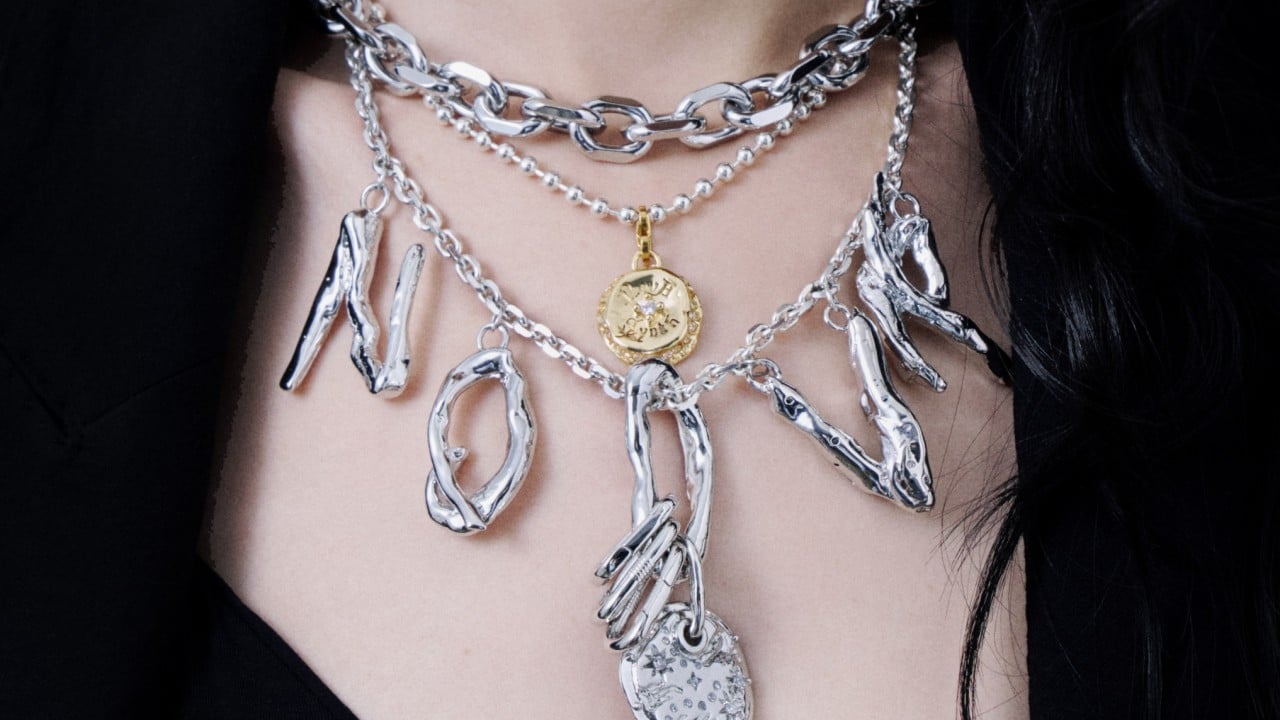
HONG KONG
The world of fashion often rewards newness, or what some observers call ‘clout and trendiness’. Hong Kong costume designer-turned-jewellery artist Vann Kwok, however, chooses a different path. She prioritizes artistic narrative over social capital and seasonal hype, a stance that distinguishes her work with Vann Jewellery.
Kwok established Vann Jewellery in 2019. Her initial aim was “to create something cool and fashionable”. Yet, her perspective has shifted. "Now, I'm a middle-aged woman," she quips, suggesting a change in personal priorities. "Being cool isn't essential to me any more; it's not something I feel compelled to achieve." This suggests a pivot from market-driven aesthetics to a more intrinsic artistic motivation. She adds, "If people find my work cool, thank you – but it's really a platfor."
This deliberate move away from the pursuit of 'cool' or 'social capital' in a field often dominated by such metrics raises questions about the long-term viability of art-driven fashion in the broader Asia-Pacific market. High jewellery, for example, frequently intersects with traditional art forms, as evidenced by educational programs like L’ÉCOLE Asia Pacific’s ‘Discover the Diamond’ programme. Such initiatives acknowledge the intrinsic value and history embedded in certain luxury goods, often appealing to collectors who value craftsmanship and narrative over ephemeral trends.
The tension between art and fashion is not new. What changes is the economic pressure designers face to align with commercial cycles and influencer culture. Kwok’s approach, described as sculptural and narrative-driven, implicitly critiques the pace of contemporary fashion. It suggests that a different kind of value can be cultivated, one not reliant on constant reinvention or the pursuit of 'hype'. Her works have been displayed in several art exhibitions, further blurring the lines between adornment and artistic expression.
Yet, a designer's ability to prioritize art over commercial success often depends on their established reputation or a niche market willing to pay a premium for uniqueness. While Vann Kwok’s statement indicates a personal evolution, it does not fully clarify the commercial framework that supports this artistic freedom. The fashion industry, even in its more artistic expressions, still operates within economic realities. The question remains whether an individual artist's reframing of purpose can truly insulate their brand from the broader commercial demands of a highly competitive regional market, or if it merely shifts the definition of 'success' for a specialized clientele.
This situation is notable for its deliberate de-emphasis of commercial drivers, a quiet contrast to an industry often focused on immediate impact and widespread appeal. It suggests that some practitioners are seeking different measures of success.
Sources
Newsletter
Pacific Daily
A curated briefing from Thailand, Asia-Pacific and the world.