Cashmere outerwear and the fragile economics of elite resort retail
High-end apparel claims affluent leisure corridors from Greenwich to Big Sur, but narrow foot traffic masks severe retail vulnerability
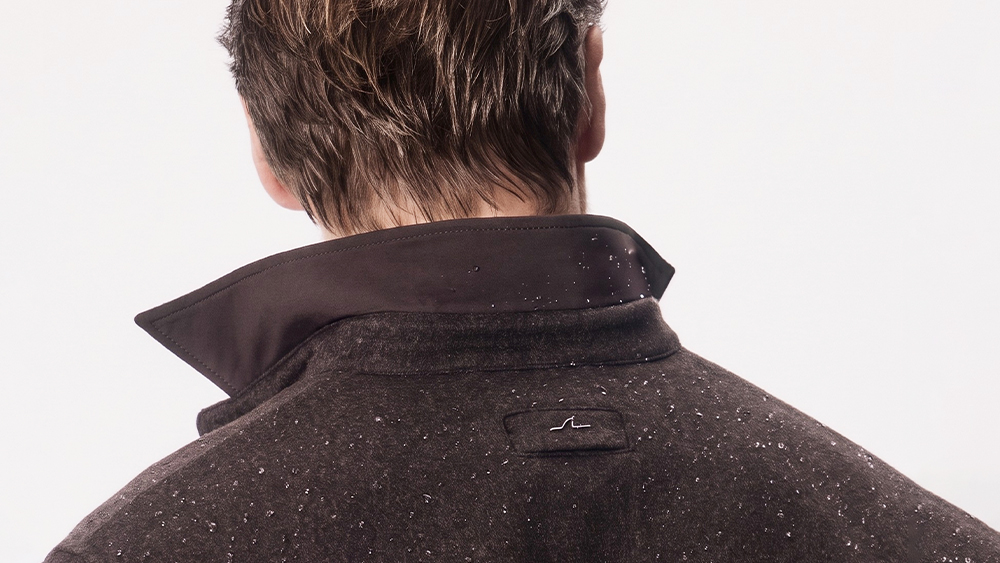
Retail distribution across high-net-worth leisure enclaves presents an immediate financial puzzle. Brands celebrating visibility across select enclaves such as Greenwich, Big Sur, and Carmel-by-the-Sea often treat geographical presence as proof of national market dominance. Yet merchant success in seasonal retreats depends on real estate equations entirely distinct from conventional apparel commerce.
Reports indicating that Paul Shark’s Cashmere Outerwear has found traction across premier domestic coastal routes highlight a familiar commercial playbook. High-margin soft goods migrate toward zip codes populated by discretionary capital. Whether anchored near resort properties or upscale main streets, these storefronts do not function merely as points of sale. They serve as balance-sheet billboards intended to validate prestige across affluent consumer segments.
The rent burden behind scenic storefronts
Commercial property in coastal and suburban retreats demands punishing overheads. Operating a physical presence in Carmel-by-the-Sea or overlooking the Pacific bluffs near Big Sur requires capital absorption that standard volume sales rarely sustain. Merchant tenancy in these pockets mirrors luxury hospitality operations, where institutional players like LXR Hotels operate high-barrier developments such as Crockfords Las Vegas. Footfall remains strictly compressed into weekends, private travel peaks, and seasonal windows.
To balance outsized floor leases, retail margins must absorb months of muted velocity. Cashmere garments carrying elevated unit price points offer substantial gross margin percentages, but inventory turnover remains sluggish. A boutique can survive on low transactions only as long as its core demographic maintains uninterrupted wealth accumulation and immune discretionary spending. Once macro headwinds trim incidental retail consumption, the fixed carrying cost of secondary-market storefronts falls squarely on corporate operational reserves.
Skeptics may argue that transactional volume is secondary to customer acquisition. Exposure in destination zip codes undeniably introduces affluent patrons who subsequently purchase through online portals or urban flagship stores. In this view, high operating expenses resemble marketing investments rather than stand-alone profit centres.
Limits of captive resort demographics
That rationale breaks down when marketing expense outpaces physical customer conversion. While affluent consumers in Greenwich may purchase specialized knitwear during regional autumn migrations, physical stores cannot survive indefinitely as prestige losses. Secondary resort enclaves possess tiny year-round populations. Relying on transient luxury spenders leaves operators hostage to seasonal weather patterns, regional travel disruptions, and volatile resort footfall.
Expansion models built on capturing domestic leisure destinations also face strict physical ceilings. There are only so many enclave thoroughfares capable of sustaining luxury price tags without cannibalizing neighbouring markets. Beyond top-tier addresses, consumer demand thins rapidly, forcing brands to discount or accept excessive days of inventory on hand.
Capitalizing on upscale American corridors provides undeniable promotional polish for luxury producers. Translating that geographic placement into enduring operational solvency requires navigating unforgiving lease commitments, cyclical visitor rates, and narrow buyer pools. For merchant ventures staking their balance sheets on captive resort spending, sustained viability depends on whether seasonal foot traffic converts into repeated inventory liquidation before fixed property overhead erodes the margin.
Sources
Newsletter
Pacific Daily
A curated briefing from Thailand, Asia-Pacific and the world.