Red Carpet Endorsements Conceal the Thin Economics of Eveningwear
Celebrity appearances generate fleeting visual attention while leaving the underlying mechanics of independent apparel unproven
Red carpet appearances generate immediate visual circulation, yet they consistently obscure the capital requirements of custom garment production. At The Beverly Hilton in Los Angeles, Janet Jackson appeared on Thursday night at the Gala of the Stars wearing a custom black lace gown by American designer Christian Siriano. Trade reporting rapidly codified the presentation as an elevation of the dark glamour trend. The garment featured a formfitting silhouette, an allover scalloped motif, and long sleeves referencing Victorian-inspired cues.
Fashion editorial desks treat such appearances as proof of design momentum. What these moments actually show is an unpaid exchange where promotional impressions substitute for commercial transaction volume. Jackson, known for tracks such as Feedback, provided Siriano with a high-profile visual platform. Siriano provided bespoke atelier labor. Neither party produced an audited transaction record to indicate that red carpet visibility translates into retail solvency.
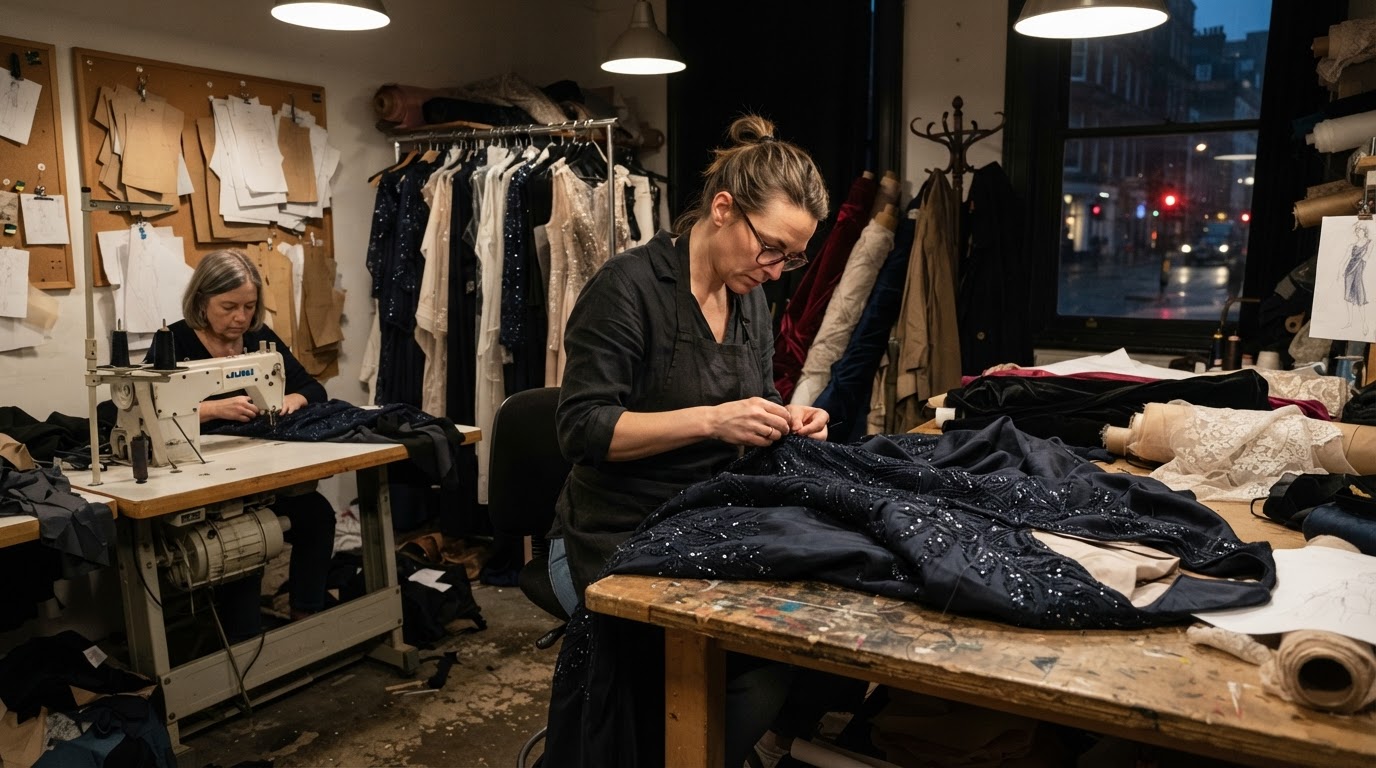
Celebrity dressing arrangements function on deferred returns. Independent design labels invest hours of cutting, pattern making, and fitting to secure a single evening of public display. Trade coverage frames the encounter as cultural influence. For independent brands operating across Pacific Rim markets and international fashion circuits, the balance sheet tells a more austere story. A custom gown loaned to a celebrity does not generate wholesale orders from regional department stores, nor does it guarantee direct-to-consumer conversion.
The Illusion of Editorial Traction
Trade coverage routinely groups distinct public outings into unified cultural movements. In the same reporting cycle that cataloged Jackson in Siriano, dispatches noted Becky G wearing Cult Gaia at the 2026 Billboard Latin Music Awards and highlighted wardrobe selections for Kim Kardashian. By clustering distinct garments under broad thematic labels, industry outlets manufacture the appearance of an urgent commercial shift.
Garment loans secure short-term media visibility while leaving manufacturing overhead entirely unhedged.
Defenders of this marketing apparatus argue that celebrity dressing is an indispensable distribution channel. Under this reasoning, placing an ornate lace creation on an established performer establishes brand awareness that smaller marketing budgets cannot purchase outright. The visual association theoretically elevates brand equity, paving the way for fragrance licenses, diffusion lines, or accessory sales across affluent Pacific consumer hubs.
That argument breaks down when examined alongside basic unit economics. Brand equity cannot settle fabric supplier invoices. Without accessible, high-margin commercial lines ready for distribution, the attention generated by an event at The Beverly Hilton dissipates within days. The garment remains a singular archival prototype rather than an engine of predictable revenue.
Unresolved Capital Demands
The Victorian-inspired motifs and dark glamour labeling deployed around Siriano’s work demonstrate the industry's reliance on aesthetic taxonomy over financial disclosure. Fashion analysis frequently tracks stylistic historical references while ignoring the balance sheet constraints governing independent ateliers.
Independent designers who bypass traditional apparel conglomerates must finance production, fabric sourcing, and international shipping from constrained working capital reserves. Lending garments to high-profile performers drains these reserves without providing contractual purchase commitments. When public relations agencies measure red carpet success solely through column inches, they hide the operational strain required to maintain that exposure.
The tension between visual exposure and operating solvency remains entirely unresolved. A performer can command attention in bespoke lace on a Los Angeles red carpet, but that display does not validate the underlying commercial viability of the designer behind it.
Sources
Newsletter
Pacific Daily
A curated briefing from Thailand, Asia-Pacific and the world.