Alo Bets Waterfront Scale Can Turn Athleisure into Durable Luxury
A dual-market push from Victoria Dockside to Berlin tests whether heavy retail footprints and celebrity choreography can manufacture lasting pricing power.
SINGAPORE
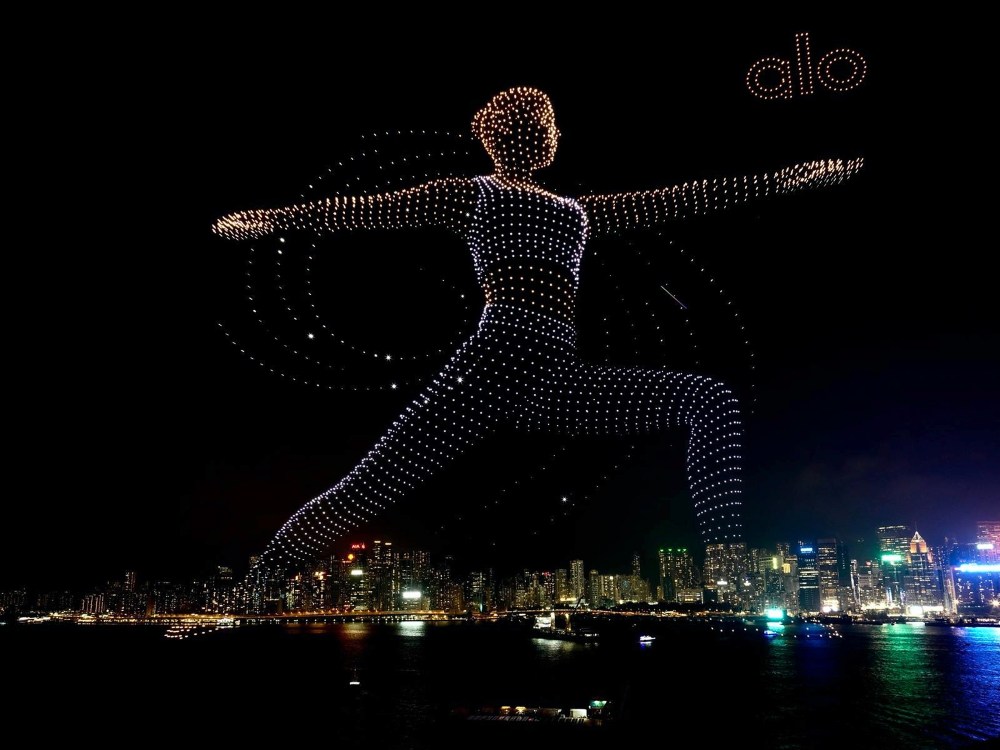
Activewear brands routinely promise community while charging premiums designed around high fashion. Alo brought that commercial formula to Victoria Dockside on Oct. 16, staging the launch of its flagship at K11 Musea with a drone show and an appearance by pop performer Jisoo. The Hong Kong retail space, designated as a Sanctuary store, covers more than 7,000 square feet across two floors. A Berlin flagship was launched concurrently, demonstrating that the spectacle forms part of an interconnected international offensive.
Behind the promotional choreography lies a deliberate retail experiment. The activewear label is testing whether prime square footage and lifestyle hospitality ties can engineer durable commercial exclusivity. Occupying waterfront property directly beside Rosewood Hotel, with which the enterprise maintains an ongoing partnership, Alo is not limiting itself to standard workout apparel. Inventory inside the location extends across womenswear, menswear, footwear, accessories, sunglasses and leather goods.
Real Estate and Manufactured Scarcity
Traditional European houses rely on physical constraints, historical provenance and disciplined distribution networks. Sportswear operators function on an inverted commercial mechanism: rapid unit turnover, broad merchandising categories and perpetual marketing events. Staging an opening alongside high-end accommodations at Victoria Dockside borrows institutional authority from an established hospitality partner. Placing leather goods beside performance apparel imitates heritage fashion, yet the underlying manufacturing logic remains tied to modern athletic wear rather than artisanal leathercraft.
The simultaneous opening in Berlin confirms that this deployment is a coordinated corporate roll-out rather than an isolated civic debut. Alo is accelerating an expansion drive marked by a flurry of store openings in China, relying on high-profile metropolitan showcases to build brand equity before pushing deeper into regional markets. High overhead costs in marquee shopping destinations demand sustained transaction volumes. This financial imperative creates an immediate structural friction for an operator that presents its commercial spaces as tranquil sanctuaries.
Physical scale cannot permanently substitute for disciplined scarcity when consumer enthusiasm cools.
Skeptics within the retail sector recognize that elaborate staging often conceals the fragility of trend-led merchandise. Apparel businesses that push aggressively into accessories and leather items risk diluting the core identity that initially attracted loyal customers. Once an activewear brand displays leather goods, it inevitably invites direct comparison with established fashion houses. Those legacy firms possess generational balance sheets, specialized workshops and pricing power that sportswear newcomers cannot easily replicate.
The Media Flagship Model
There is, nevertheless, a distinct corporate logic driving this substantial physical investment. Prime destination flagships are no longer expected to generate standalone operating profits entirely from cash registers on the shop floor. Instead, expansive physical properties operate primarily as localized broadcast studios. The drone show above Victoria Dockside and the attendance of Jisoo produce digital impressions that circulate rapidly across China, effectively reducing customer acquisition costs across secondary channels.
Positioning the brand inside K11 Musea places Alo among established high-end tenants, capturing consumer traffic that is already primed for discretionary spending. If that footfall translates into recurring customer loyalty across broader retail and digital distribution, the expensive lease across two floors becomes commercially rational. The real estate investment functions as an upfront marketing expense amortized across the entire operating footprint.
Such reliance on grand physical statements faces distinct obstacles across North Asia. Discerning consumers in China are increasingly resistant to marketing spectacles that lack genuine technical differentiation or long-term design substance. Retail history across the activewear segment shows that rapid physical proliferation quickly erodes brand prestige. Footwear and leather collections will inevitably encounter sharp scrutiny once the opening fanfare dissipates.
As Alo pursues its sequence of retail launches, the underlying economic reality will dominate executive calculations. Orchestrated drone displays and synchronized international openings can generate immediate attention, but they cannot manufacture scarcity out of thin air. Long-term commercial viability depends on whether a mass activewear label can defend premium prices without relying on constant theatrical reinforcement.
Sources
Newsletter
Pacific Daily
A curated briefing from Thailand, Asia-Pacific and the world.