Kuala Lumpur tests the suite formula as international luxury operators crowd the Golden Triangle
The arrival of an all-suite inventory in Malaysia reflects aggressive regional hospitality competition, yet sustaining high-yield operations demands more than imported brand cachet.
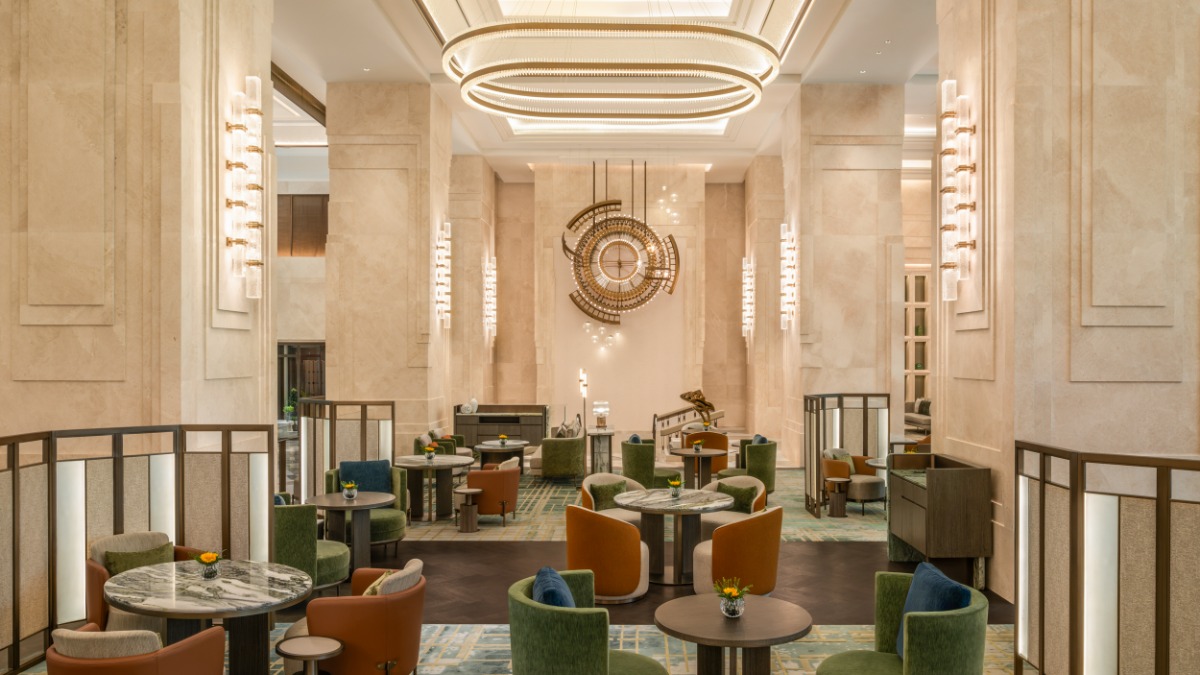
KUALA LUMPUR
Urban hotel operations depend on spatial discipline. When an operator elects to configure an entire property as suites rather than standard inventory, the structural choice alters the economics of service delivery. Floor plans expand, guest counts shrink relative to gross floor area, and labour ratios must rise to support an exacting standard of hospitality. The entry of Waldorf Astoria into Malaysia, establishing a 268-suite presence in Kuala Lumpur, presents an explicit test of this operational calculation within Southeast Asia.
Positioned in the capital city's Golden Triangle District, the development marks the brand's inaugural outpost in the country. The move aligns with broader parent-group ambitions, where Hilton identified China and India as critical drivers for Asia-Pacific premium travel expansion. Capturing those outbound flows requires regional hubs to deliver spaces that differentiate themselves from conventional corporate lodging. Committing 268 keys solely to suite layouts signals an aggressive play for high-net-worth transit and regional business capital.
Capital deployment meets structural frictions
Yet the logistical mechanics of delivering high-specification accommodation across urban Southeast Asia reveal distinct commercial strains. Industry timelines underscored these frictions: CNA Luxury projected a debut in late 2026, while The Straits Times pointed to January 2027, framing the timeline within which property rollouts navigate complex fit-outs and municipal readiness. Managing finishings, specialised kitchen infrastructure, and private reception zones across hundreds of suites requires substantial capital expenditure before revenue flows begin.
Culinary programming forms an essential pillar of that overhead. Local reports indicated French chef Jean-Georges Vongerichten was tied to potential dining operations at the property. Securing international culinary figures is an established technique to command premium room rates and anchor a property's public profile. But maintaining destination dining inside an urban enclave requires domestic dining volume to subsidise quiet travel periods. Brand recognition from France or North America does not automatically ensure sustained covers in a competitive capital already saturated with culinary options.
Premium hospitality requires dense local engagement to cushion the volatile cycles of foreign visitor arrivals.
Market proponents argue that Kuala Lumpur remains structurally undervalued compared to regional peers such as Singapore or Bangkok. In their view, bringing premier global nameplates into the Golden Triangle closes an institutional gap, attracting affluent visitors who previously bypassed the city for lack of dedicated ultra-premium lodging. A consolidated suite format offers exclusivity that standard five-star towers struggle to match.
The discipline behind the dining room
That optimism faces a stubborn operational counterpoint. The cost of sustaining specialised hospitality labour and high-touch culinary kitchens in an all-suite environment leaves minimal room for occupancy lapses. If regional tourism patterns shift or outbound arrivals from target markets slow, maintaining full-service standards across expansive layouts becomes an immediate financial drag. Operators cannot simply discount rates to fill empty rooms without eroding the pricing power their brand identity requires.
Ultimately, opening an ambitious hospitality property in Kuala Lumpur is a straightforward transaction of real estate and licensing. Preserving the precision required to justify 268 suites in a regional corridor of shifting consumer demand remains the unyielding operational test.
Sources
Newsletter
Pacific Daily
A curated briefing from Thailand, Asia-Pacific and the world.