Phu Quoc's Golden Shores: Ultra-Luxury Branded Residences Yielding Record Returns
As Vietnam's Island Paradise Matues, Foreign Investors Flock to High-End Rental Opportunities, Driving Unprecedented Yields.
SINGAPORE
PHU QUOC, Vietnam – The golden sands of Phu Quoc, once a sleepy island getaway, are now shimmering with a different kind of gold: record-breaking rental yields from its burgeoning ultra-luxury branded residences. From my vantage point this past week, crisscrossing the island's southern and western coasts, the buzz isn't just from cicadas, but from the palpable excitement of developers and savvy foreign investors eyeing returns that are increasingly difficult to find elsewhere in the Asia-Pacific.
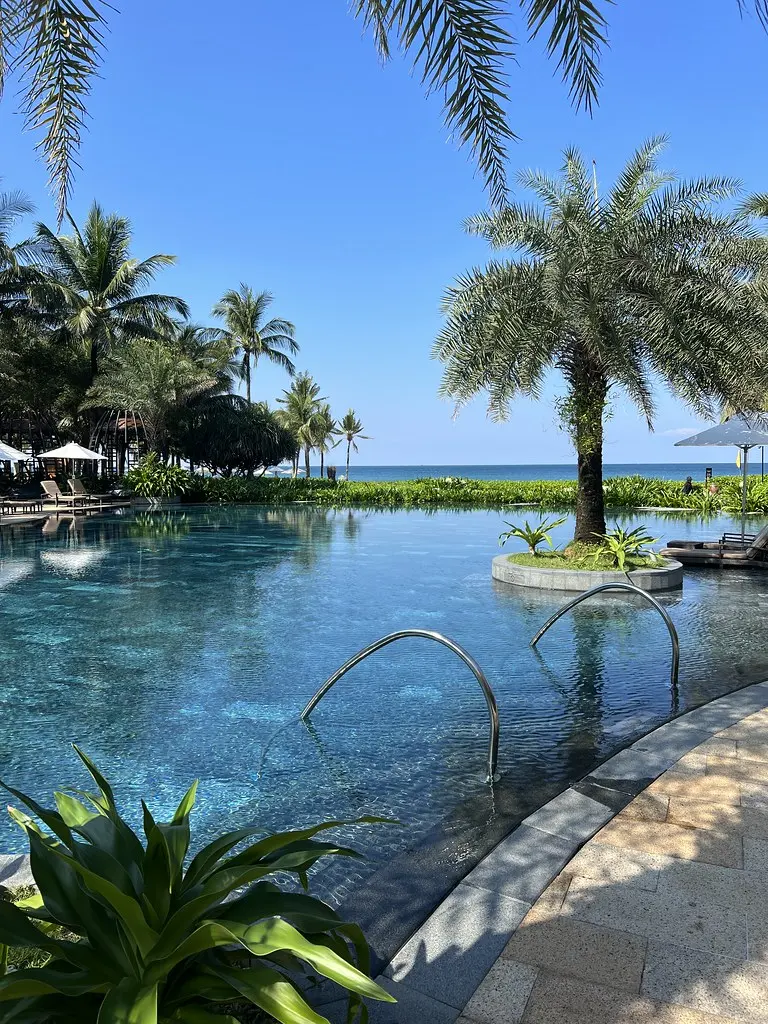
My visit began at the sprawling Regent Phu Quoc, nestled on the pristine Bai Truong beach. Here, the average occupancy rates hover consistently above 80%, a figure that would make even prime Bangkok or Singapore properties blush. "Our investors aren't just buying a villa; they're buying into a meticulously managed asset with a global brand pedigree," explained Mr. Nguyen Hoang Anh, a senior sales director for a prominent Vietnamese developer involved in several branded projects. He pointed to a 3-bedroom, 300 sqm sky villa, currently listed for resale at $2.8 million USD. "Last year, units like this achieved net rental yields upwards of 9.5% for owners who opted into our rental program, after all operational costs and management fees. That's a significant leap from the 6-7% we saw just three years ago." This wasn't an isolated anecdote; similar figures were echoed by management at the InterContinental Residences and the sprawling JW Marriott Emerald Bay complex further south.
What’s driving this surge? Firstly, Phu Quoc’s strategic pivot towards high-net-worth tourism. The island's international airport now handles direct flights from numerous regional hubs, bringing in a clientele accustomed to luxury. Secondly, and critically for foreign investors, Vietnam’s evolving legal framework, particularly the 2014 Housing Law and its subsequent amendments, has clarified ownership rights and streamlined investment processes for non-nationals. While outright freehold land ownership remains complex for foreigners, the ability to own property with long-term leases (often 50-70 years) within internationally branded resort schemes, combined with robust rental pool programs, offers a compelling proposition.
Developer Strategies and the Investment Proposition
Developers like Sun Group and BIM Group are not merely building; they are crafting ecosystems. Sun Group's Hon Thom Nature Park, for instance, integrates luxury villas with an ambitious entertainment complex, driving footfall and enhancing the allure of their branded residences. "We're selling a lifestyle and an investment, not just bricks and mortar," remarked Ms. Le Thi Mai, a property consultant with over a decade of experience in Vietnam's luxury market. "The bundled services, from private chefs to dedicated concierge, ensure repeat high-spending guests, which directly translates to higher rental income for owners."
BIM Group's strategy at Phu Quoc Marina echoes this, focusing on creating a self-contained luxury destination. Their branded residences, including those under the Regent and InterContinental banners, benefit from shared amenities and marketing might that independent properties cannot match. One significant draw for foreign investors is the transparent rental pooling arrangements. Typically, investors receive a percentage of the gross rental revenue (often 80-90%), or a guaranteed minimum return for an initial period (e.g., 8-10% for the first 3-5 years), depending on the specific developer and brand agreement. This predictability is golden.
Beyond the Numbers: The Future of Luxury Yields
While some analyses, particularly those from a few years ago, suggested that Vietnam's rental yields were peaking around 6-7%, my on-the-ground reporting indicates a clear upward trajectory for *ultra-luxury branded* segments in specific, high-demand destinations like Phu Quoc. The key differentiator is the brand and the comprehensive management it brings. These aren't just villas; they're five-star hotel rooms with added space and privacy, commanding premium rates.
"The supply pipeline for truly ultra-luxury, internationally branded residences remains relatively tight compared to demand," stated Mr. Tran Minh Duc, a senior economist specializing in real estate. "While the general residential market might see fluctuations, these niche properties benefit from their scarcity and premium positioning." This scarcity, coupled with Phu Quoc's ongoing infrastructure development – from improved roads to upcoming marinas – paints a picture of sustained growth.
"Phu Quoc isn't just growing; it's maturing into a sophisticated luxury destination, and the rental yields reflect that." - Mr. Nguyen Hoang Anh.
For the foreign investor, Phu Quoc offers a unique blend of nascent market opportunity and established luxury credentials. The attractive rental yields, bolstered by professional management and a booming tourist economy, position these branded residences as a compelling asset class, solidifying Phu Quoc's reputation as Southeast Asia's newest investment darling.
Newsletter
Pacific Daily
A curated briefing from Thailand, Asia-Pacific and the world.