Singapore's seized assets reveal a shifted landscape for luxury and anonymity
The auction of properties linked to a S$3 billion money laundering case highlights a change in how illicit wealth is made visible, reshaping expectations for high-end urban living.
SINGAPORE
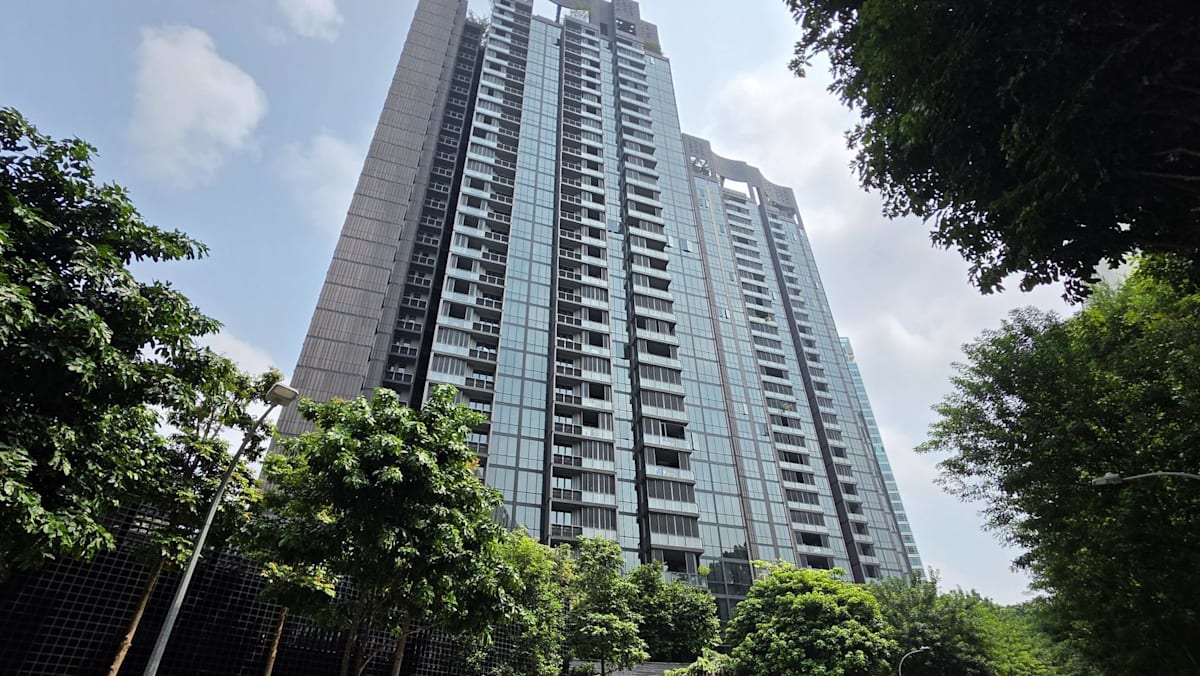
The offering of a four-bedroom penthouse, valued at S$25.3 million, and a Grade A office with a guide price of S$11.5 million from Singapore’s significant money laundering investigation marks a distinct shift. These are among the first assets from a S$3 billion case now moving to auction, a public disclosure of what was once obscured.
For years, the allure of properties in cities like Singapore was partly their perceived discretion, a place where wealth could accumulate quietly. The act of bringing such high-value assets to public auction, however, means a different kind of visibility. It is not merely the financial value of these items that draws attention, but the implication of their previous ownership and the methods through which they were acquired. A market statistic notes Hotlotz as a significant broker for these seized goods, suggesting a specialized channel for making the illicit liquid.
This event follows reports of luxury properties and items like handbags and jewellery being seized, as well as a 15-carat diamond and a 'Serpent clutch' displayed publicly. The narrative emerging is one where the very symbols of discreet wealth are now being systematically exposed and monetized. This challenges a long-standing pattern where ultra-high-net-worth individuals, regardless of the provenance of their capital, could maintain a degree of anonymity within global financial hubs. The Singaporean state has, in effect, pulled back the curtain on this particular form of opacity, moving from the private accumulation of assets to their public divestment.
The public nature of these auctions, and the media attention surrounding them, creates a new kind of signal. It informs potential buyers, and indeed the broader international community, that high-value assets in Singapore may now be scrutinized with an intensity that alters their perceived stability as havens for undeclared wealth. This does not mean an end to the appeal of Singapore for investment, but it does imply a recalibration of what discretion means within its borders. The habit that has changed first, perhaps, is the expectation of absolute financial invisibility for some forms of high-end acquisition.
One could argue that the financial machinery of cities like Singapore is robust enough to absorb such shocks, and that the market for luxury real estate and goods remains driven by genuine demand and legitimate investment. The underlying economic fundamentals for these properties — a penthouse in a desirable city, or a Grade A office — would suggest continued interest regardless of their prior history. The question then becomes whether the spotlight on these particular assets creates a new kind of premium or discount, linked not to their inherent value but to the very public narrative of their seizure and sale. It forces a reassessment of the symbolic capital attached to owning a piece of a city's luxury landscape, particularly when that piece carries a story of its own.
Sources
Newsletter
Pacific Daily
A curated briefing from Thailand, Asia-Pacific and the world.