Border Aerial Losses Expose Fragile Equilibrium Along Gulf Supply Corridors
Conflicting casualty accounts along the Yemen frontier underscore persistent exposure for energy-dependent Asian economies
SINGAPORE
Military incidents along contested boundaries frequently register as localized friction before their systemic weight becomes visible across distant trading hubs. The announcement from Riyadh on 18 Oct 2026 that two pilots died in a helicopter crash near the Yemen border immediately encountered an opposing narrative from the Iran-backed Houthis, who maintained the aircraft was brought down by hostile fire. The divergence in claims exposes the unresolved security environment flanking the Red Sea corridor, where political containment remains fragile.
Contradictory explanations regarding operational losses in this theater are neither unprecedented nor purely technical matters. In June 2026, an Aramco aviation accident in Saudi Arabia resulted in fourteen fatalities, illustrating that operational integrity and physical assets across the peninsula operate under continuous structural pressure. Whether the October loss stemmed from mechanical failure during border operations or from surface fire delivered by the Houthis, the strategic result remains identical for Asian importers monitoring regional stability. Cross-border friction has not subsided into durable settlement, and military assets deployed near Yemen remain vulnerable to attrition.
Asymmetric Risk Across Energy Lanes
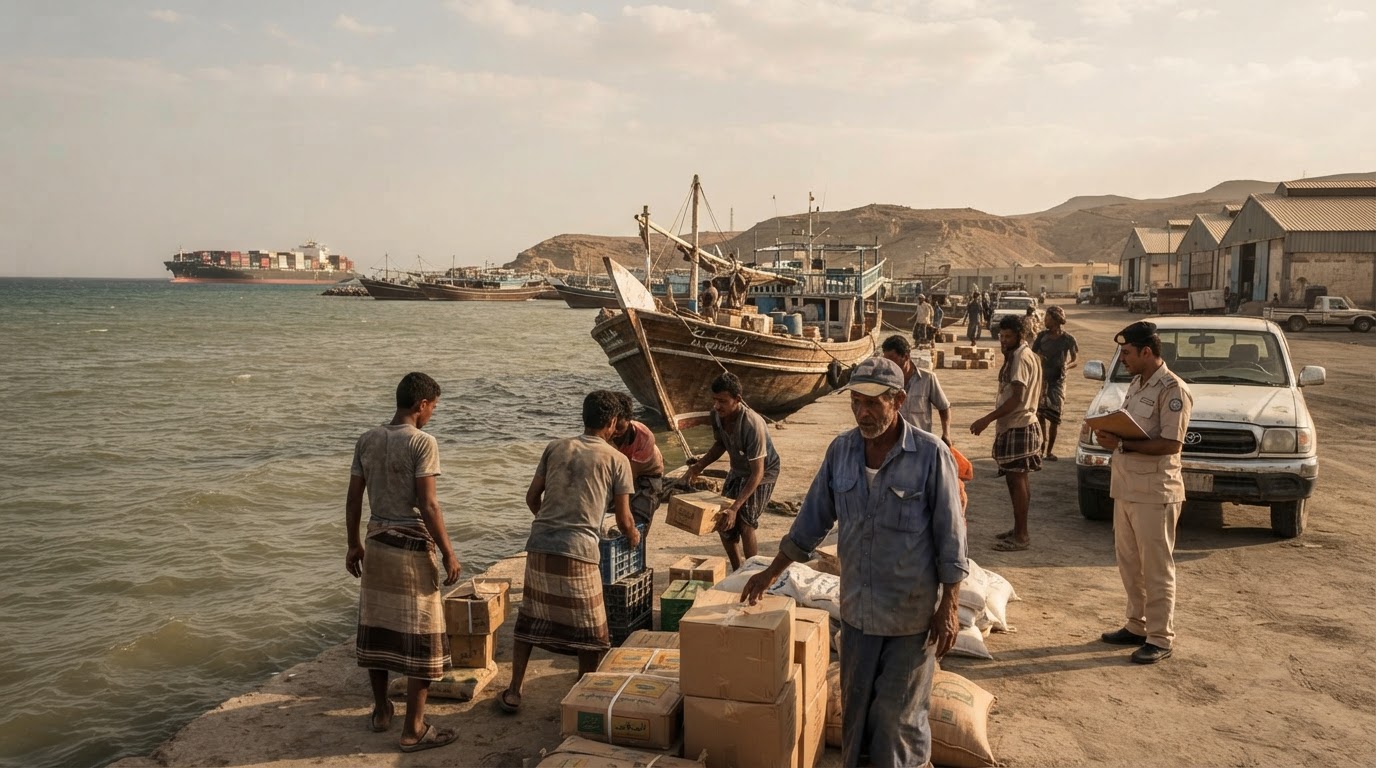
Regional planning across Asia-Pacific manufacturing belts depends heavily on stability within Gulf distribution channels. Importers rely on maritime straits that lie directly adjacent to Yemeni territory, making border stability an economic variable rather than an isolated territorial dispute. For energy planners in East Asia, persistent hostilities signal that baseline maritime security guarantees cannot be assumed permanently intact. When sovereign military forces absorb aircraft losses along boundary sectors, the operational perimeter protecting maritime export lanes tightens.
Unresolved boundary combat demonstrates that commercial transit corridors through western Arabian waters operate without a permanent diplomatic settlement.
Commercial freight operators and industrial consumers across the western Pacific face cumulative indirect consequences from prolonged skirmishes. Each escalation or confirmed interception alters standard freight assumptions, insurance terms and rerouting contingency schedules. Even without an immediate disruption to crude loadings at regional terminals, repeated security failures along frontier routes keep risk premiums elevated across long-distance supply networks.
Unresolved Deterrence
Government authorities in Riyadh face structural limits in concluding cross-border skirmishes purely through technical or air superiority. The operational environment along the Yemen border demonstrates that defensive perimeters remain permeable to asymmetric tactics. If coalition airframes cannot navigate the frontier without sustaining losses, the credibility of deterrence frameworks in the peninsula erodes. For partner nations that balance energy reliance against strategic detachment, relying on local containment policies presents growing difficulties.
Counterarguments suggest that isolated helicopter losses rarely alter broader political settlements or commercial shipping patterns across the wider ocean basin. Defense analysts routinely treat individual tactical mishaps as routine friction within a low-intensity conflict zone, noting that major maritime choke points continue commercial operations despite periodic skirmishes. Yet this view underestimates how persistent tactical wear degrades overall deterrent capacity. Recurring incidents demonstrate that neither decisive military victory nor stable coexistence has taken root along the perimeter.
Energy consumers across Asia-Pacific corridors cannot treat western Arabian frontier incidents as distant developments detached from regional interest. Sustained tactical engagements continue to strain ground defenses, while diplomatic channels produce only temporary respites rather than verified security treaties. As long as opposing military claims over downed aircraft remain unresolved along the border, transit security through adjacent waterways will remain subject to sudden disruption.
Sources
Newsletter
Pacific Daily
A curated briefing from Thailand, Asia-Pacific and the world.