Beyond the Tragedy: The Economic Undercurrents of Workplace Injury Claims in Asia
The death of a woman embroiled in an allegedly fraudulent claim highlights the complex, often unseen financial pressures affecting both individuals and businesses in the region's labor markets.
SINGAPORE
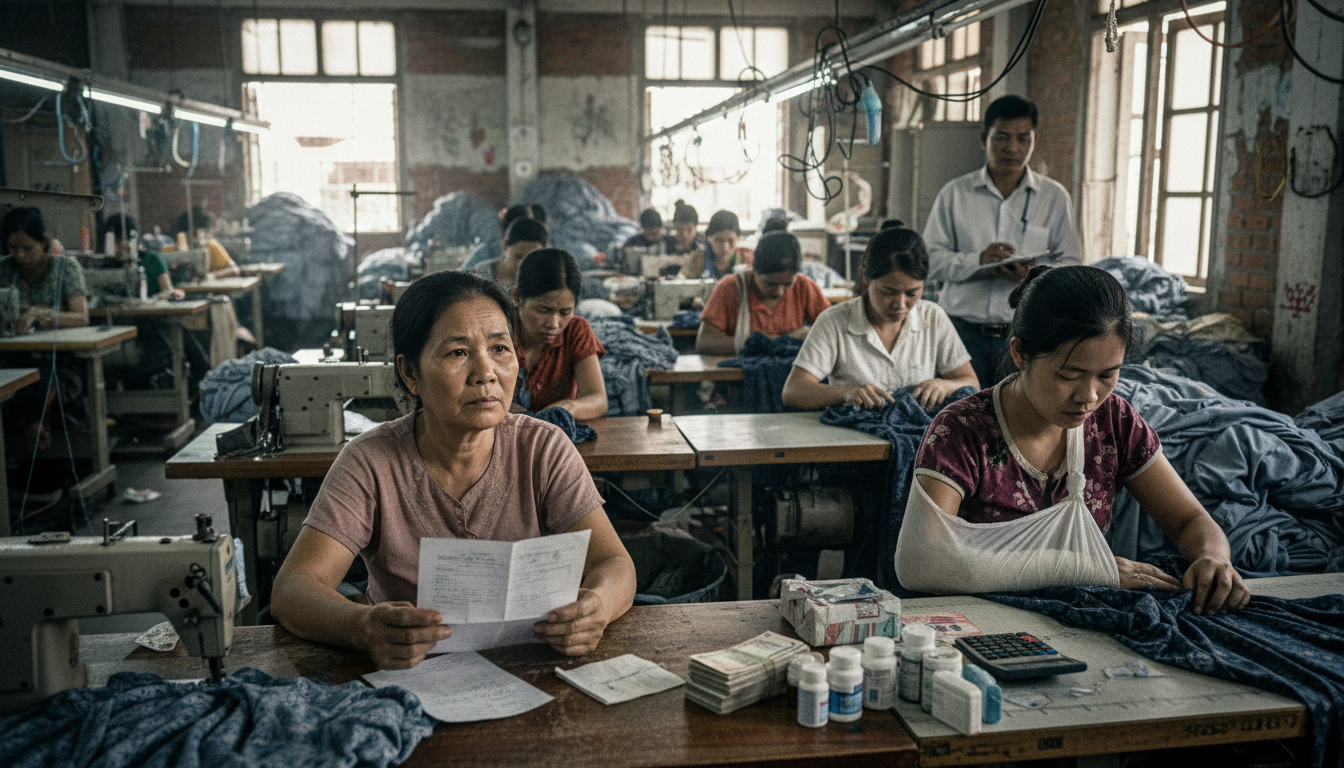
The coroner's finding that a woman's death was linked to stress over an allegedly fraudulent workplace injury claim against her company by a foreign worker reveals a stark reality in Asia's labor landscape. The claim sought compensation for total permanent incapacity. This incident, reported by CNA Lifestyle on October 8, 2026, surfaces the severe personal consequences that disputes over such claims can inflict, extending far beyond the initial legal or corporate parameters.
While the human tragedy is clear, the underlying economic dynamics warrant closer examination. Workplace injury claims, especially those involving foreign workers and allegations of fraud, represent a significant financial exposure for businesses. In many Asia-Pacific economies, the reliance on migrant labor for various sectors, coupled with varying regulatory frameworks and enforcement mechanisms, creates an environment ripe for both legitimate claims and potential exploitation, whether of the worker or the company.
The cost of such claims includes not only potential payouts for compensation but also legal fees, administrative burdens, and the immeasurable impact on employee morale and company reputation. A single claim, particularly one alleged to be fraudulent and involving total permanent incapacity, can tie up significant resources and introduce financial uncertainty for an extended period. For businesses operating with tight margins, or in highly competitive sectors, this exposure can influence operational decisions and overall financial health.
From the worker's perspective, the process of seeking compensation for a legitimate injury can be protracted and complex, especially for foreign workers navigating unfamiliar legal systems. The financial incentive to pursue substantial claims, even if their veracity is disputed, is clear. This interplay of high potential payouts against the cost of defense creates a system where both parties can face intense pressure.
The regional implications are broad. As labor mobility increases across Southeast Asia and beyond, the frequency and complexity of workplace injury claims are likely to rise. Countries like Thailand, heavily reliant on migrant labor, will face heightened scrutiny of their compensation systems and the protections afforded to both workers and employers. The challenge is to foster an environment where legitimate claims are processed fairly and efficiently, while also safeguarding against fraudulent claims that can cripple individuals and businesses.
Developing more robust, transparent, and timely dispute resolution mechanisms for workplace injury claims will be crucial. The current system, as highlighted by this tragic case, can exert immense psychological and financial strain, suggesting a need for reform that balances the rights of injured workers with the legitimate concerns of employers regarding fraud. The ultimate stability of these labor markets depends on finding a more equitable and less burdensome path to resolution.
Sources
Newsletter
Pacific Daily
A curated briefing from Thailand, Asia-Pacific and the world.