Beyond the Brochure: Unmasking the Hidden Costs of Expat Life in Singapore and Hong Kong
Marcus Whitfield, Travel Editor at Pacific Press, delves into the overlooked financial pitfalls awaiting those lured by Asia's gleaming metropolises.
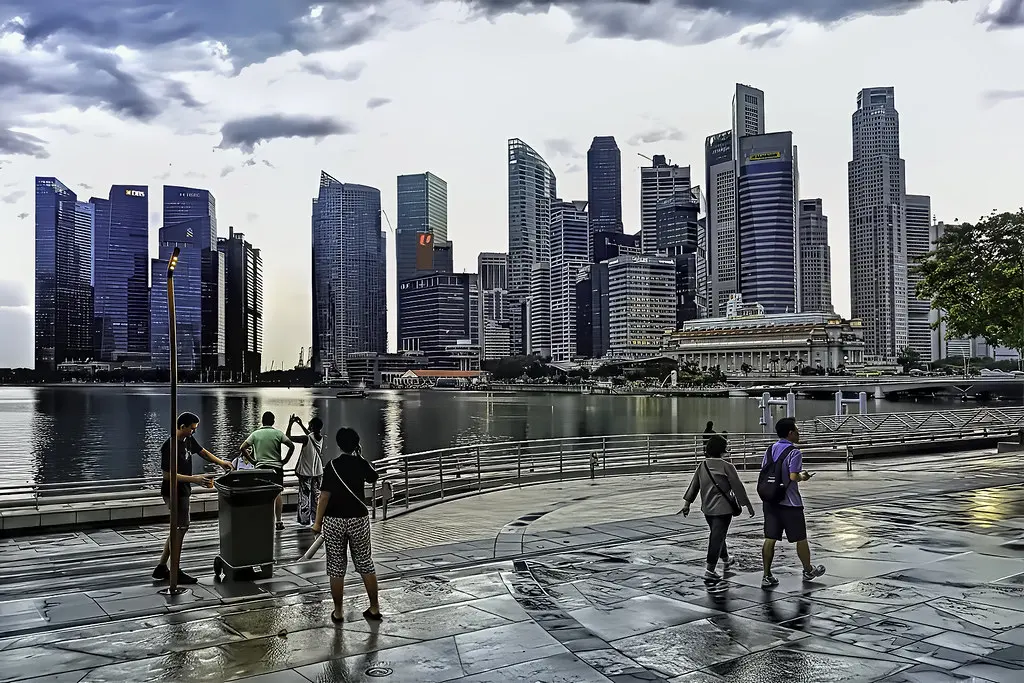
SINGAPORE
Singapore and Hong Kong. The very names conjure images of soaring skylines, efficient public transport, and a tantalizing blend of East and West. For many aspiring expats, these cities represent the pinnacle of professional opportunity and a gateway to a vibrant Asian life. The glossy brochures and online forums often highlight high salaries, low tax rates, and world-class infrastructure. Most newcomers quickly become aware of the astronomical rents and premium grocery prices. Yet, as someone who’s spent years traversing this dynamic region and observing the expat journey, I can tell you that the true financial picture extends far beyond the obvious.
The real cost of living in these island nations isn't just about what's in your shopping cart or the size of your mortgage. It's about a myriad of often-unseen expenses that can quietly, but significantly, erode your hard-earned income. Let’s start with the seemingly benign: healthcare. While both cities boast excellent medical facilities, access comes at a price that can make Western systems seem like a bargain. Employer-provided insurance often has limitations, and for anything beyond a routine check-up, you’re looking at specialist fees that climb rapidly. Dental work, optical care, and even certain medications not covered by basic plans can easily run into thousands. Many expats find themselves opting for increasingly expensive international health insurance plans, a recurrent charge that rarely makes it into the initial 'cost of living' calculations.
Then there’s the matter of social integration, or more accurately, the price of maintaining a Western lifestyle in an Eastern context. Eating out is a cultural cornerstone, and while hawker centres and dai pai dongs offer incredible value, the desire for familiar comforts often leads expats to Western-style restaurants and bars where prices are comparable to, or even exceed, those in London or New York. A weekend brunch, a few rounds of craft beer, or a bottle of imported wine can add up to a startling sum. Beyond dining, consider the cost of leisure. Club memberships, often a necessity for access to sports facilities and social networks, can carry hefty initiation fees and monthly dues. Hobbies, from yachting to golf, are not just pastimes here; they’re investments.
The Price of 'Convenience' and 'Connection'
One of the less discussed drains on an expat's wallet is the cost of 'convenience.' In these hyper-efficient cities, everything is designed to be easy, but that ease often carries a premium. Think about domestic help: live-in maids are common, and while their wages might seem modest by Western standards, they represent a continuous, significant outgoing that many wouldn't factor into their budget back home. Private transport is another behemoth. While public transport is excellent, the urge for personal mobility, especially for families, can lead to the purchase of a car. Singapore's Certificate of Entitlement (COE) system for car ownership is legendary for its expense, often costing more than the car itself. Hong Kong isn't far behind with steep import duties and parking fees that defy belief. These aren't just one-off payments; they're recurring, substantial financial commitments.
"The glittering facade often hides a relentless financial undertow, pulling at every dollar."
Education for expat children is arguably the single largest hidden cost, one that can make or break a family's ability to thrive here. International schools, with their globally recognised curricula and diverse student bodies, come with tuition fees that can easily rival a top-tier university back home – per child, per year. These fees are often paid upfront, sometimes years in advance, and can be hundreds of thousands of dollars for a full education. Even local schools, while more affordable, often require significant 'donations' or have quotas that make entry challenging for non-locals. Many expat packages include an education allowance, but these rarely cover the full expense, leaving families to bridge a substantial gap.
Relocation itself also brings a host of invisible costs. Shipping furniture, pet relocation, visa applications, legal fees, and setting up utilities – these are not trivial. Many expats also find themselves frequently travelling back to their home country for family visits or holidays, incurring flight costs that add up over time. The 'expat bubble' also comes with its own social pressures, where maintaining a certain lifestyle, often perceived as a necessity for networking and belonging, can lead to overspending.
Ultimately, while the allure of Singapore and Hong Kong is undeniable, and the rewards can be immense, prospective expats must peel back the layers. Look beyond the attractive salaries and low taxes. Factor in the high cost of healthcare, the premium for Western comforts, the extraordinary expense of education, and the often-unseen outgoings of convenience and connection. Without a comprehensive understanding of these hidden financial currents, the dream of an enriching expat life can quickly become a struggle to stay afloat.
Newsletter
Pacific Daily
A curated briefing from Thailand, Asia-Pacific and the world.