Art, algorithms, and the everyday economy in Kuala Lumpur
Victoria Lu's exhibition prompts questions about how digital creation reshapes artist livelihoods and the accessibility of new technologies in Southeast Asia.
KUALA LUMPUR
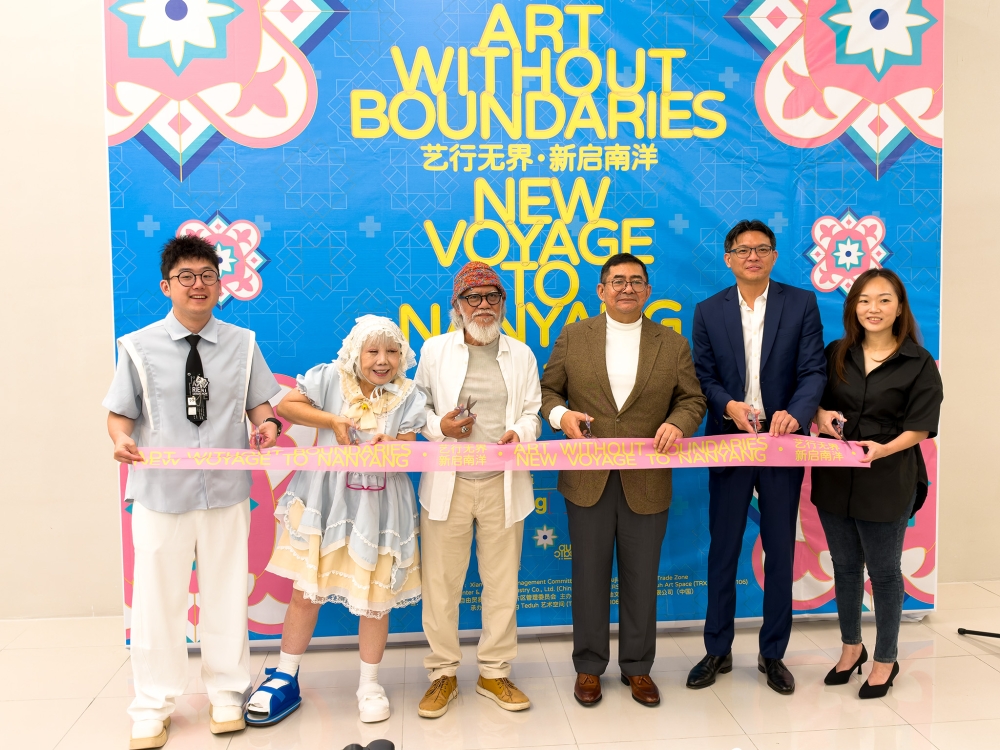
Contemporary artist Victoria Lu, also known professionally as Viki Lulu, is exploring artificial intelligence and human creativity at an exhibition in Kuala Lumpur. This artistic intersection raises questions that extend beyond the gallery walls, particularly for those working in the creative industries across the region. The integration of advanced computational tools into art production, as highlighted by Lu's work, reflects a broader shift. This shift challenges established models for how artists create, present, and commercialize their work.
For an everyday economy writer, the most pressing question is how this translates to a monthly budget. The costs associated with new technologies are often considerable. Accessing high-powered computing, specialized software, and ongoing training for AI art generation requires investment. Established artists like Viki Lulu may navigate these costs. However, emerging artists or those in less developed markets might find such tools out of reach. This creates a potential divide, where technological sophistication could become a barrier to entry rather than a democratizing force for creativity.
The adoption of AI in art also has implications for the valuation of creative labor. If algorithms can generate visual content, the perceived value of human-produced art might change. This could pressure pricing structures for graphic design and illustration, impacting the income of countless individuals. Attributed claims about the democratizing potential of AI in art often focus on its ability to lower skill requirements for producing certain types of images. However, the costs and technical barriers to mastering the AI tools themselves are sometimes overlooked. This means new forms of expertise and new economic gatekeepers could emerge.
Consider the market for art and design in places like Malaysia. The exhibition in Kuala Lumpur occurs in a city that hosts a diverse and growing creative sector. If AI tools become essential for competitiveness, artists who cannot afford or access them might struggle to keep pace. The Malay Mail Life, which reported on Lu's exhibition on October 10, does not detail the specific technologies or financial investments involved. This information would be crucial for understanding the economic implications for the wider artistic community. Without it, the picture of accessibility remains incomplete.
The shift is not entirely one-sided. AI can also open new avenues for expression and efficiency. For some artists, these tools might reduce the time spent on repetitive tasks, allowing more focus on conceptual development. However, the economic benefits of such efficiencies must be weighed against the potential for market saturation and downward pressure on prices. The regional implications are significant. Countries across Southeast Asia are investing in digital economies. The integration of AI into creative industries represents a vital component of this. How governments and educational institutions support artists in acquiring these new skills and tools will influence whether the digital transformation leads to broader prosperity or increased inequality within the creative class.
What this means for the art world and its participants will ultimately depend on whether these new artistic methods create sustainable livelihoods or further marginalize those without access to the latest digital frontier.
Sources
Newsletter
Pacific Daily
A curated briefing from Thailand, Asia-Pacific and the world.