A Shorter Pool, A Shorter Memory: Vancouver's Aquatic Centre and the Changing Tides of Urban Space
The B.C. Supreme Court's dismissal of a legal challenge against the Vancouver Aquatic Centre's renewal suggests a shift in how cities balance community legacy with modern imperatives.
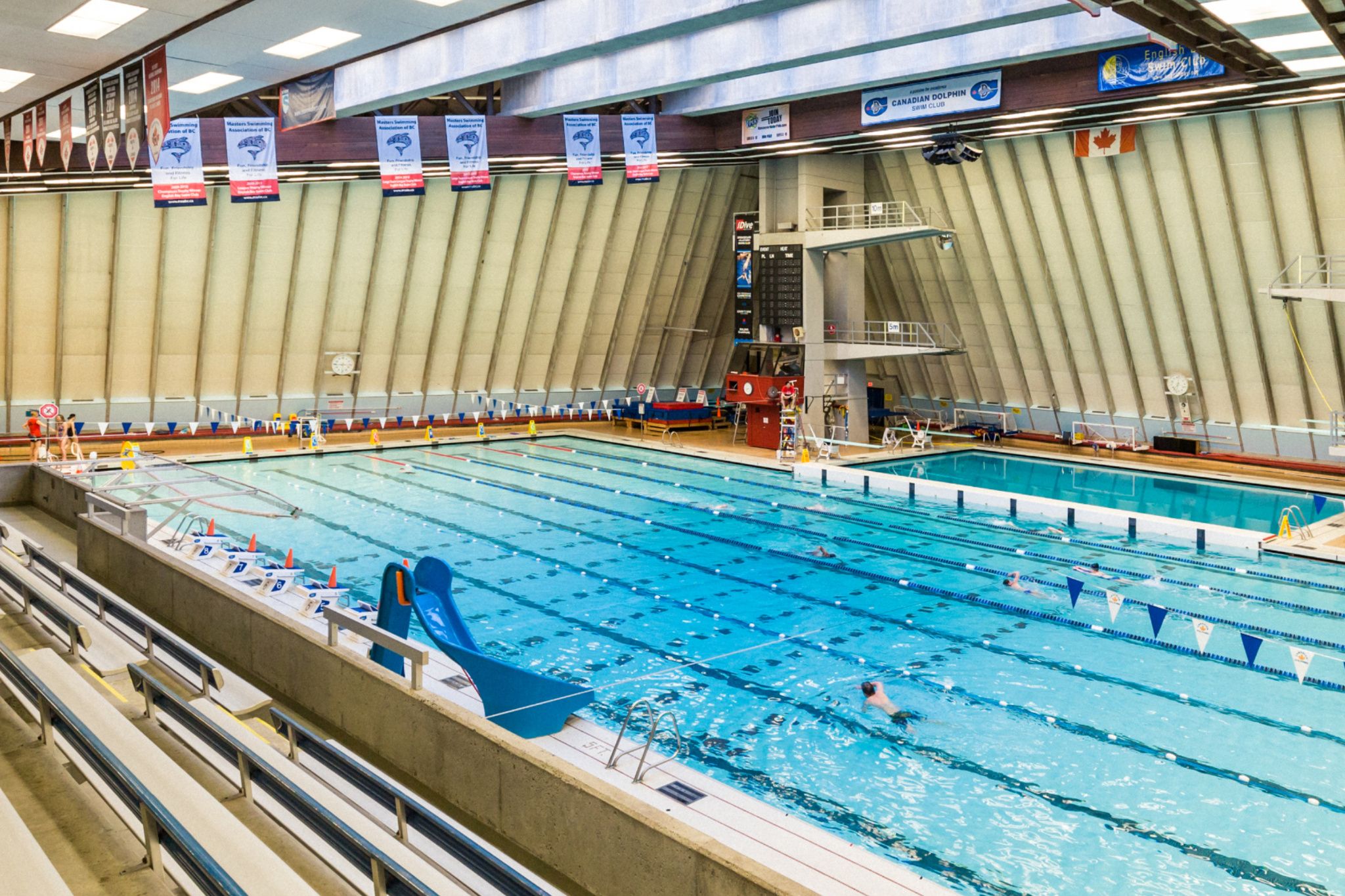
The B.C. Supreme Court’s recent decision to dismiss a legal challenge concerning the Vancouver Aquatic Centre’s (VAC) renewal marks a moment in the ongoing renegotiation of urban public spaces. The ruling paves the way for the demolition of the five-decade-old facility in early October of this year. This will see the current 50-metre lap pool replaced with a 25-metre, eight-lane main tank. This development follows sustained protests and a legal effort by the Protecting Our Vancouver Aquatic Centre Society, which had crowdfunded over $100,000 since July 2025. The society, comprising residents, swim club members, and other pool users, articulated their opposition to the planned changes.
Historically, public aquatic centres, similar to other civic amenities, often embodied a commitment to broad utility and the cultivation of diverse community activities. The VAC, with its previous 50-metre pool, served a wide range of users. Its existence for five decades indicates its establishment as a cultural fixture, integrated into the routines of residents and swim clubs. The society’s formation, bringing together various community groups, suggests that for many, the facility held a value beyond its functional purpose, acting as a repository of shared experience and local identity.
The proposed redevelopment, while presented as a renewal, fundamentally reconfigures the space’s capacity and purpose. The change from a 50-metre to a 25-metre pool is not merely a quantitative adjustment; it implies a narrower functional scope. This shift could impact users who rely on the longer pool for specific training or broader recreational use, thereby redefining the community segments this public amenity serves. Such alterations are often framed within narratives of modernization or efficiency, but they also represent an implicit redefinition of the social compact between urban authorities and their inhabitants regarding shared resources.
A recurring argument in such urban planning discussions centers on the necessity for cities to adapt. Older infrastructure may present increased maintenance burdens, or contemporary urban planning might advocate for different allocations of space. The term “renewal” frequently carries connotations of upgrade and enhanced efficiency. However, efficiency in physical dimensions does not inherently translate into greater social utility or cultural resonance. The proposed replacement of a long-standing, well-utilized 50-metre pool with a shorter one, despite documented community opposition, suggests that certain perceived benefits of the new design are prioritized over the continuity of a historical service and the established needs it met.
The implications of such decisions extend beyond the municipal boundaries of Vancouver. Across the Pacific Rim, urban centers often face similar pressures for redevelopment and modernization. In these transformations, what aspects of communal life are retained, and what is quietly substituted? When public assets, particularly those with deep community roots, are altered in ways that diminish their established utility or accessibility, it signals a gradual shift in civic values. The Vancouver Aquatic Centre, in this context, offers a case study in the subtle reshaping of urban life, where the form of public provision is increasingly influenced by present-day priorities, potentially at the cost of established communal habits and the diverse needs they have historically supported.
Sources
Newsletter
Pacific Daily
A curated briefing from Thailand, Asia-Pacific and the world.