A Fatal Accident Exposes Structural Lapses in Thai Construction Safety
The death of a construction worker in Bangkok highlights persistent enforcement gaps in safety protocols across the sector, raising questions about accountability beyond the immediate incident.
SINGAPORE
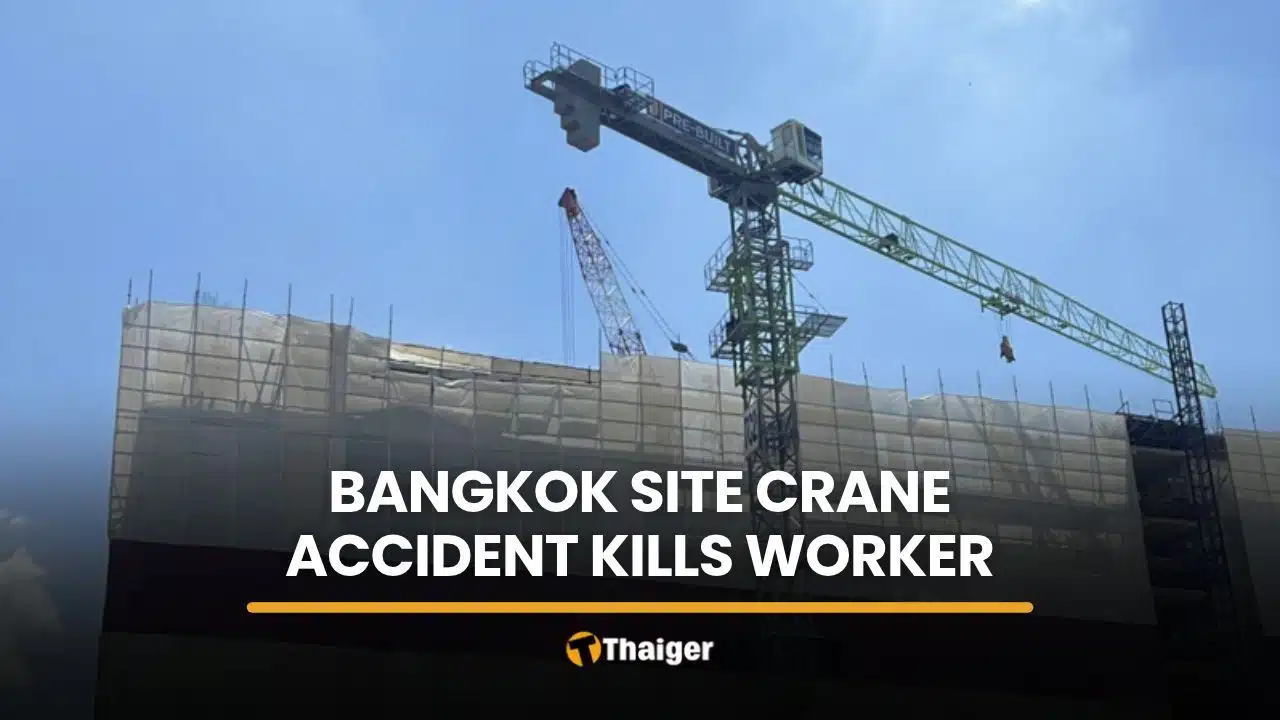
The death of a construction worker, Wasanan Thiankaew, 33, at a hospital construction site in Bangkok on Thursday morning, after becoming entangled in a crane cable, points to a recurring structural vulnerability. This incident occurred in the Chaeng Watthana area, specifically on Soi Chaeng Watthana 10 in Thung Song Hong of Lak Si district. Wasanan had gone to the rooftop for a routine inspection of the crane and its sling cables, a scheduled safety check, when the entanglement occurred at approximately 10.30am.
While police will investigate the immediate circumstances of the accident, its significance extends beyond an isolated malfunction. The fact that a scheduled safety check culminated in a fatality indicates systemic failures within the operational reality of safety protocols, not merely their existence. Thailand possesses regulatory frameworks for occupational safety; the challenge lies in their consistent implementation and enforcement. When a routine inspection results in a death, it reflects deeper issues concerning training adequacy, equipment maintenance regimes, or site supervision.
Accountability in such incidents often focuses on immediate site management. However, a structural analysis compels a broader view, encompassing contractors, developers, and the regulatory bodies responsible for oversight. The economic pressures inherent in meeting project deadlines and managing costs frequently create an environment where safety measures are seen as expendable. This perspective, which prioritizes short-term efficiencies over safety investment, is a persistent counterargument against rigorous enforcement.
Yet, the long-term consequences of such accidents — measured in human lives, damaged reputations, and potential legal liabilities — consistently outweigh any perceived immediate savings. The necessary structural shift requires integrating safety as a foundational component of project success, rather than an optional addition. This fatality underscores an unresolved constraint within a rapidly developing economy.
While the police investigation will detail what happened on Thursday morning, the more critical outcome depends on whether this incident prompts a fundamental re-evaluation of how safety regulations are translated from policy into daily practice across Thailand’s construction sector. The decision-making authority now rests on those who can enforce structural change.
Sources
Newsletter
Pacific Daily
A curated briefing from Thailand, Asia-Pacific and the world.