Why Britain's Energy Shelter Leaves Global Transition Vulnerable
Chancellor John Healey's domestic cushion against volatile fossil fuel markets highlights the structural limits of balancing consumer relief with decarbonisation targets.
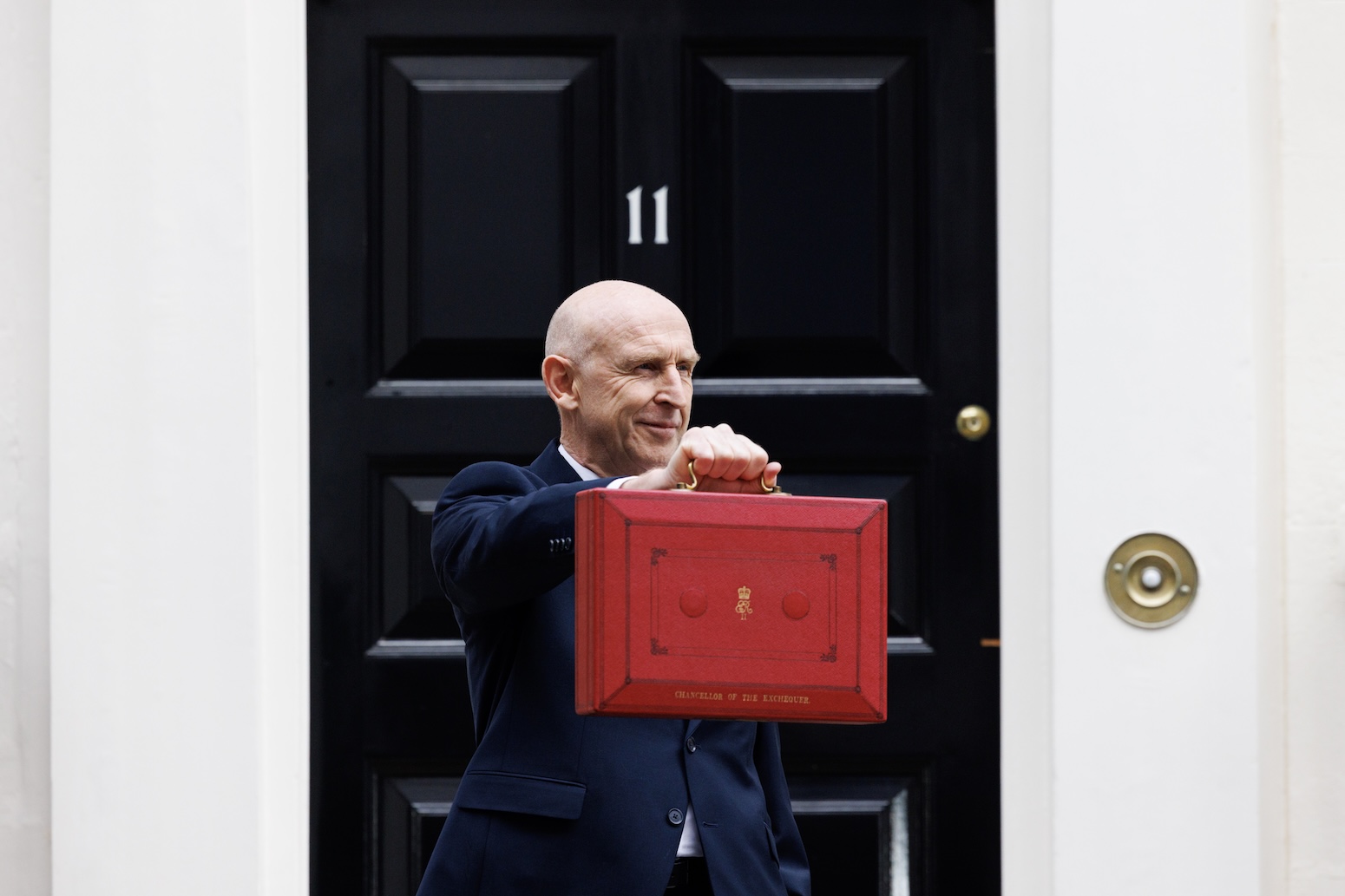
Sovereign energy strategies routinely promise long-term structural resilience, yet fiscal policy reflexively retreats to defensive consumer subsidies whenever fossil fuel prices surge. The presentation of the United Kingdom budget in 2026 by Chancellor John Healey exemplifies this perennial tension. Confronted by price instability linked to conflict in the Middle East, the Labour government has attempted to shield household balance sheets while asserting an enduring commitment to long-term structural decarbonisation. This fiscal architecture reveals how rapidly national administrations default to palliative cash transfers whenever hydrocarbon dependency threatens political equilibrium. Rather than accelerating the physical elimination of gas from domestic generation, the state simply assumes the role of an economic shock absorber.
At the center of Healey's announcement sits an ambitious declared intention to pursue a radical reform of energy and break the grip of gas on bills. Yet the immediate mechanism chosen to absorb current wholesale pressures remains direct compensation: a £100 energy payment distributed to millions of residents, counterbalanced partly through a 3% rise in the bank surcharge. While the Labour government insists it remains unshakably committed to net-zero targets, the deployment of state resources to soften retail invoices demonstrates that decarbonisation policy remains subordinate to fossil price volatility. If international fuel supplies tighten, political leaders spend liquid public revenues to buffer retail consumers rather than insulating their economies structurally beforehand.
The Cost of Delayed Disengagement
Across international maritime supply routes, energy-importing jurisdictions face an identical vulnerability. Industrialised economies that continue relying on fossil fuels for baseload power and heating inevitably absorb immense fiscal capacity simply to maintain domestic stability during geopolitical crises. Subsidising retail energy bills absorbs revenues that could otherwise fund the decisive deployment of clean power, grid upgrades, and long-duration storage. Every unit of currency spent dampening retail invoices represents capital diverted from the physical infrastructure required to terminate that exposure permanently. When governments allocate public funds to cushion recurring operational expenses, they prolong the life of vulnerable energy systems instead of dismantling them.
The budget sets out what the chancellor calls a radical reform of energy, including an effort to break the grip of gas on bills.
Advocates of the British package argue that direct state intervention is an unavoidable prerequisite for democratic stability. Without short-term financial cushions, political support for capital-intensive industrial transition erodes rapidly under the weight of immediate living-cost inflation. From this perspective, targeted allowances protect vulnerable households while preserving room for vital strategic investments in carbon capture, clean power, and energy efficiency. Stabilising consumer sentiment is viewed as the political price of maintaining an ambitious long-term climate trajectory.
Subsidies Versus Structural Reform
That rationale, however, treats the symptom while leaving the underlying exposure intact. Diverting sovereign capital into recurring consumer transfers acknowledges that fossil-fuel dependency acts as an ongoing levy on public finances. For developing energy-importing economies monitoring European policy benchmarks, the British dilemma offers an instructive demonstration of transition risk. Emerging markets are frequently urged to follow European regulatory templates and emissions pathways. Yet if mature industrial economies with sophisticated financial mechanisms still require emergency levies and household transfers when global fuel prices swing, economies with tighter fiscal space cannot afford to replicate that sequence.
Strategic resilience cannot be secured through successive fiscal adjustments. By framing retail cash stipends as energy reform, governments obscure the unresolved conflict between short-term cost containment and the profound physical overhaul required to detach power networks from international hydrocarbon shocks. As Healey attempts to balance immediate bill relief against statutory climate benchmarks, the British budget demonstrates that without eliminating gas demand at source, national budgets remain exposed to shocks they can neither forecast nor finance indefinitely. The true cost of delaying deep grid transformation is the compounding vulnerability that each subsequent global crisis inevitably exposes.
Sources
Newsletter
Pacific Daily
A curated briefing from Thailand, Asia-Pacific and the world.