Venezuela Oil Deal Reconfigures Energy Market, With Consequences for Asia-Pacific
The U.S. agreement to access Venezuelan reserves shifts global energy dynamics, challenging established supply chains and regional policy strategies.
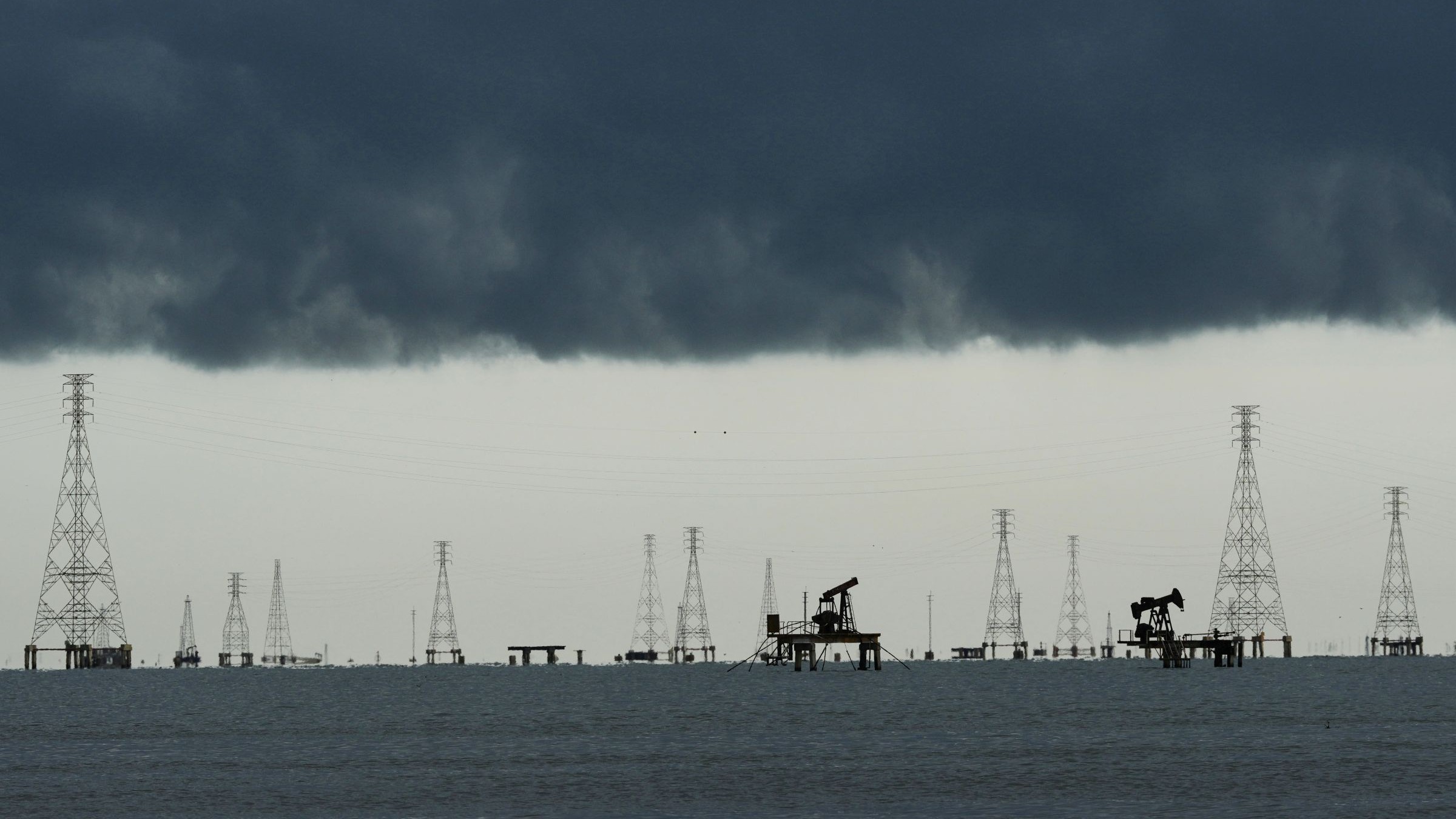
The United States’ recent agreement to access Venezuela's oil reserves, encompassing over 65 billion barrels of proven reserves and up to $100 billion in new infrastructure investment, represents a significant recalibration of global energy flows. Announced in late August, this deal, which U.S. officials present as a means to secure “energy dominance” while fostering Venezuela’s economic recovery, has broader implications than its immediate participants suggest.
Historically, the Asia-Pacific region has navigated a complex energy landscape, balancing robust demand with supply security often reliant on distant sources and, to a lesser extent, North American sources. For nations like Thailand, which import a substantial portion of their energy, shifts in global supply and pricing are critical. The introduction of a new, substantial supply stream from Venezuela into the U.S. market, particularly its refineries, has the potential to alter the competitive landscape. This could reduce U.S. demand for alternative crude sources, potentially influencing global benchmarks that affect acquisition costs for Asian importers.
The deal's stated aim to drive Venezuela’s economic recovery is met with significant reservations regarding its environmental and human rights implications. Observers cite concerns over fossil fuel climate impact, a lack of transparency, and the risk of oil spills, echoing a September 9 joint statement from the Venezuelan Program for Education-Action on Human Rights (Pr). This internal tension in Venezuela, between economic imperatives and environmental and social costs, reflects a common dilemma in resource-rich nations globally. The New York Times, in January, noted that a revival of Venezuela’s oil industry poses a challenge for Canada, specifically its producers, highlighting a direct competitive impact from this revived source.
Regional Market Readjustments
The immediate impact on Southeast Asian markets, including Thailand, is not a direct disruption of supply but a reordering of competitive dynamics. U.S. refiners are projected to benefit from Venezuelan oil, as reported by BNN Bloomberg in January, which simultaneously suggests Canadian producers could be disadvantaged. This competitive pressure could ripple through global markets, altering trading patterns and potentially incentivizing Asian nations to reassess their own long-term energy procurement strategies. While the deal is framed as benefiting the U.S., The Japan Times in August described it as reprising the industry’s “neocolonial past,” a characterization that complicates the narrative of mutual benefit.
The greater uncertainty for the Asia-Pacific lies in how major energy-consuming economies adapt to this new variable. A more self-sufficient U.S. energy sector, or one with diversified and less volatile sources, could lead to different U.S. foreign policy priorities and trade engagements in the Pacific Rim. While the details of the investment and its operationalization unfold, the deal serves as a reminder that global energy security remains a dynamic and regionally interconnected challenge. The constraint that remains unresolved is the long-term environmental cost of such expanded fossil fuel exploitation against global climate commitments, a tension that will continue to shape policy and trade decisions across continents.
Sources
Newsletter
Pacific Daily
A curated briefing from Thailand, Asia-Pacific and the world.