Hawaii's Aging Infrastructure Signals Broader Asia-Pacific Risks
The obsolescence of critical safety systems in Hawaii's schools reflects a structural vulnerability common across the Asia-Pacific, impacting public trust and operational autonomy.
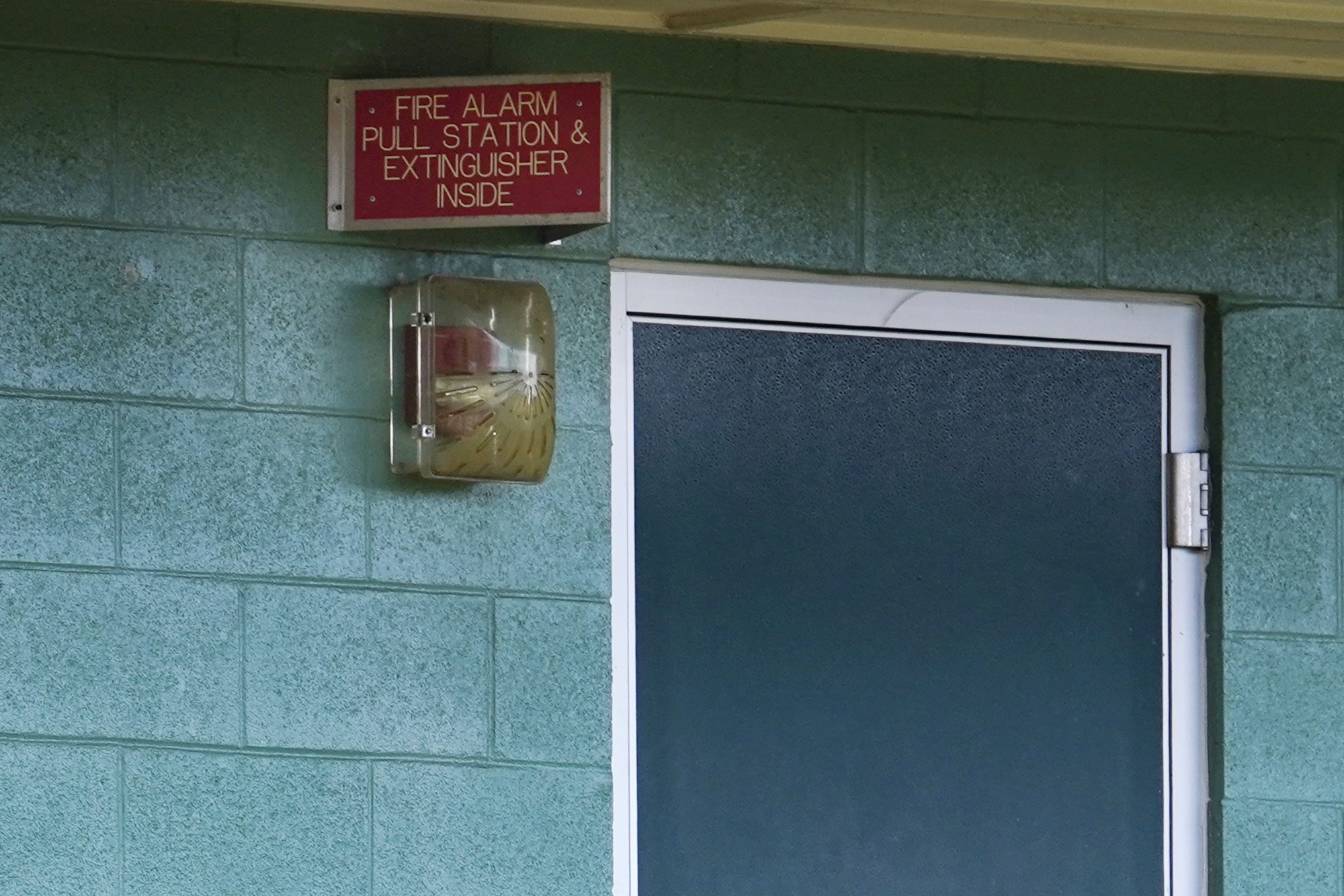
A report from Honolulu Civil Beat on September 17, 2026, details a structural issue within Hawaii's educational system: older smoke detectors in some schools are unreliable, nearing the end of their functional lifespan. The keʻena hoʻonaʻauao, or educational office, has reportedly made progress addressing smoke detection over recent years. However, concerns persist regarding these older systems and their associated needs. This situation, while localized to Hawaii, illuminates a recurring structural challenge across the Asia-Pacific region, particularly for nations managing extensive public infrastructure built over decades.
The core of the issue is not merely the age of the equipment, but the systemic implications for public safety and the allocation of resources. Unreliable safety systems, regardless of their specific function, introduce an inherent risk to daily operations and stakeholder confidence. When foundational elements like smoke detectors in schools become untrustworthy, it compels a shift in decision-making power. Authority moves from those responsible for day-to-day management to those mandated to intervene in emergent safety scenarios or, more broadly, to external oversight bodies.
For Thailand and other developing economies in the Asia-Pacific, this pattern of deteriorating infrastructure poses a significant concern. Many public institutions, from schools to hospitals and government buildings, rely on systems installed decades ago. The cost of incremental replacement often outweighs the political will for comprehensive overhauls until a critical failure occurs. The keʻena hoʻonaʻauao in Hawaii has indeed made progress, indicating an acknowledgment of the problem, yet the lingering concerns about specific old systems highlight the scale of such an undertaking. The structural implication is that maintenance becomes reactive rather than proactive, a strategy that inevitably leads to higher costs and increased risk exposure over time.
The unreliability of critical safety infrastructure transfers control from operators to responders, eroding institutional autonomy.
A counterargument might suggest that such issues are routine maintenance concerns, adequately managed through standard budgetary cycles and ongoing upgrade programs. The reported progress within the educational office could be cited as evidence of effective management within existing frameworks. However, the persistent 'concerns regarding older systems and their needs' indicate that routine management may be insufficient for assets approaching systemic failure. The sheer volume of aging public infrastructure in the Asia-Pacific region means that individual departmental progress, while laudable, may not address the aggregate risk. What often remains unresolved is how to finance and implement a region-wide, preventative replacement strategy for critical, but often out-of-sight, infrastructure components before they become liabilities.
Sources
Newsletter
Pacific Daily
A curated briefing from Thailand, Asia-Pacific and the world.