Coastal Temperature Drops Expose Maritime Logistics Gaps Along the Pacific Rim
Vancouver's near-freezing late October forecast highlights the narrow margins between scheduled operations and physical waterfront conditions
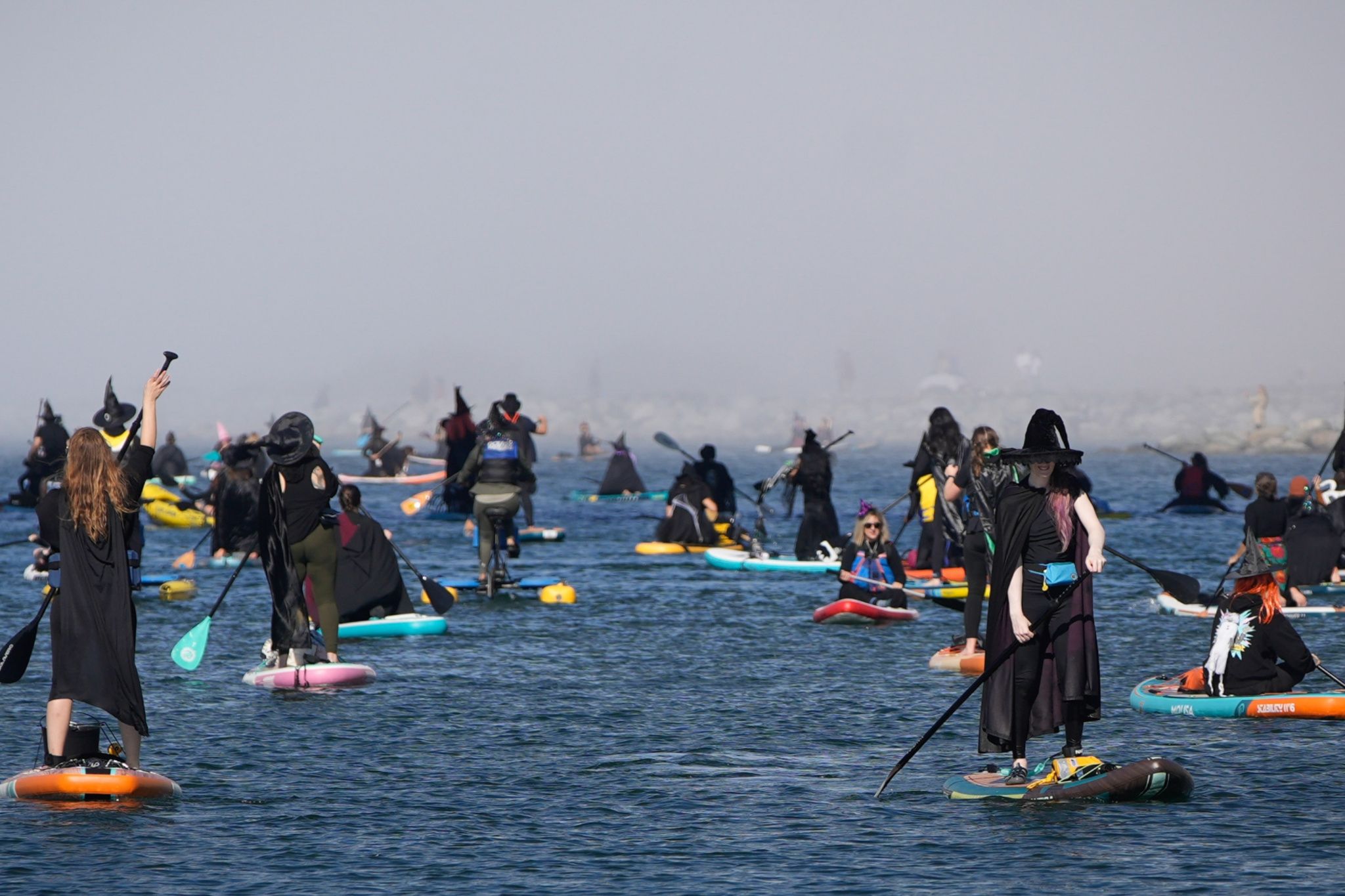
Environment and Climate Change Canada recorded a seven-day forecast that brings overnight temperatures down to 2°C across Vancouver on Oct. 31. Daytime highs of 11°C paired with a 30 per cent chance of showers precede that overnight plunge. The sharp decline demonstrates how rapidly autumn maritime corridors must adjust from temperate conditions to near-freezing working environments.
Forecast analysis from the weather agency confirms that Halloween night will register as the coldest night of the week. Most days throughout the projection cycle carry showers or intermittent precipitation, with Sunday identified as the single dry exception across Metro Vancouver.
Seasonal transitions along Pacific coastlines rarely occur on a smooth gradient. Working harbors and terminal operators rely on predictable thermal bands to handle support vessels, conduct cargo movements, and ensure mechanical readiness before winter routines take hold.
The Friction of Marginal Cold
Maritime safety regulations frequently treat sub-zero winter freezes as explicit operational thresholds while ignoring the risks generated by intermediate temperatures between 2°C and 11°C. When a 30 per cent precipitation probability meets an overnight drop near the freezing mark, steel decks, winches, and rigging gather cold moisture without developing stable ice crusts. This intermediate dampness creates unpredictable traction problems for deck crews and dock workers.
Terminal operators generally draft risk assessments around extreme winter events rather than transitional autumn snaps. A vessel moored or maneuvering in the harbor experiences rapid thermal loss across hydraulic systems and exposed metal assemblies when temperatures drop nine degrees within hours. Moisture trapped in mechanical joints thickens lubricants, changes friction coefficients, and strains automated handling gear.
Commercial attention in major port cities often tilts toward leisure traffic and hospitality rather than technical working waterfront realities. Forbes has highlighted Vancouver as an established pre-cruise departure point, yet as passenger traffic tapers off into Nov, harbor workboats, barges, and cargo lines continue round-the-clock runs under far more demanding atmospheric conditions.
Harbor corridors across the Pacific Rim share these exact exposure profiles throughout late October. A sudden thermal plunge across Canadian terminals offers an operational preview for freight logistics planners tracking transpacific vessels heading into northern ports.
Technical Preparedness Versus Forecast Realities
Skeptics may argue that a predicted overnight low of 2°C represents a routine seasonal swing rather than an operational disruption. Inland logistics hubs in Edmonton withstand far lower seasonal minimums without pausing domestic freight lines or altering baseline safety procedures.
That comparison overlooks the physical mechanics of coastal humidity and maritime steelwork. Cold showers followed by a drop toward 2°C produce condensation cycles that accelerate equipment wear, alter synthetic line tension, and multiply slip risks on gangways far more aggressively than dry sub-zero weather.
Regulatory marine standards across Pacific trade routes often delegate the management of marginal thermal shifts to discretionary crew decisions. When Environment and Climate Change Canada issues forecasts warning of daytime showers alongside near-freezing nights, operational adaptations depend on individual vessel mitigation rather than uniform technical protocols.
Unmanaged condensation combined with marginal overnight cold tests vessel mechanics and waterfront infrastructure far more severely than predictable, sustained freezes.
Urban property growth adjacent to commercial harbors can conceal these working terminal demands. High-density accommodation assets along the waterfront, including the Fairmont Pacific Rim reviewed by The New York Times in 2011, illustrate the city's sheltered commercial exterior, while industrial vessels directly off the docks face unmitigated seasonal exposure.
The broader challenge for Pacific shipping hubs centers on establishing engineering protocols that account for sudden autumn drops. Vessel crews and dock operators cannot rely on informal rules of thumb when ambient moisture swings beneath near-freezing night skies. Sustainable terminal performance across the Pacific Rim depends on whether operating regulations reflect the precise thermal bands where harbor machinery must operate.
Sources
Newsletter
Pacific Daily
A curated briefing from Thailand, Asia-Pacific and the world.