West African Harvest Drops Expose Fragile Ocean Bulk Corridors
Harvard research linking off-season rainfall to West African harvest shortfalls points to persistent procurement stress for distant processing hubs
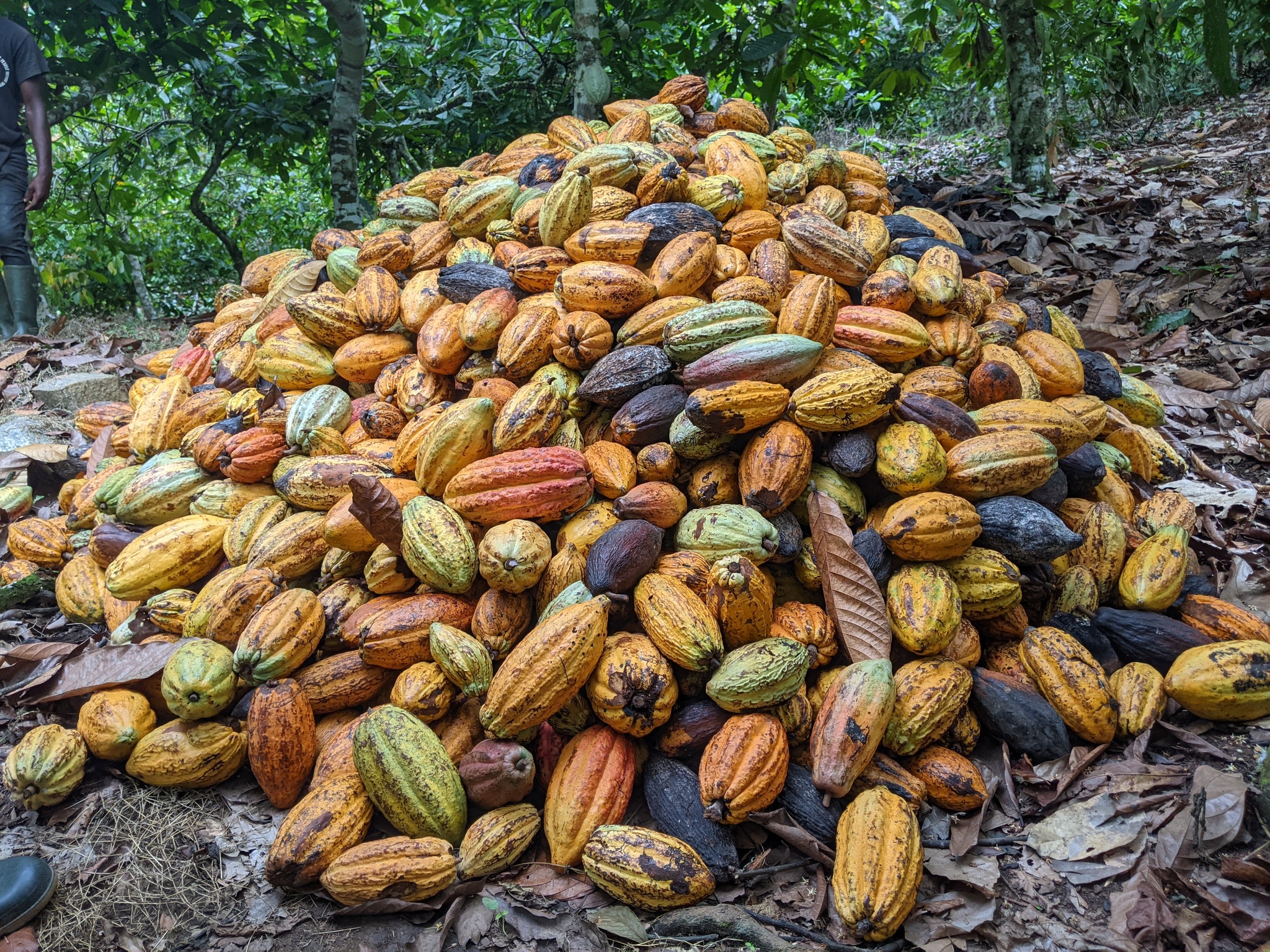
Two countries, Ghana and Côte d'Ivoire, generate about 60% of global cocoa production, concentrating international commodity tonnage onto an exceptionally narrow maritime corridor. When climatic volatility strikes West African farms, disruption transfers directly into commercial freight networks. Cargo vessel operators must absorb sudden changes in bookings, inventory positions, and sailing schedules bound for distant processing terminals. Industrial logistics models treat primary agricultural output as an aggregate volume delivered to coastal berths, but actual cargo availability reflects sensitive biological vulnerabilities at the farm level.
Recent research indicates that the critical driver behind harvest volatility occurs much earlier in the crop cycle than bulk logistics desks usually measure. A study published in September by researchers at the Harvard University Center for the Environment in the United States, including Anna Lea Albright, links unseasonal rainfall during cacao flowering and early pod development to significant yield reductions. While prolonged drought has historically drawn regulatory scrutiny, the Harvard analysis demonstrates that short, untypical downpours falling during delicate flowering phases severely depress farm-gate yields in Ghana.
Biological thresholds govern aggregate shipping tallies long before consolidation begins. Agricultural supply chains routinely treat flowering as an unvarying seasonal transition. Yet when untypical rains fall during early pod development, physical damage to blossoms and excessive dampness curtail crop formation months before beans reach collection points. The research establishes that precipitation timing dictates ultimate harvest size just as decisively as gross rainfall volume, directly challenging the annualized weather indexes that marine charterers rely upon to project seasonal bulk demand.
The Mechanics of Off-Season Disruption
Charterers and logistics planners have traditionally tracked gross annual rainfall across West Africa to position seasonal cargo tonnage. That operational technique proves flawed when brief episodes of untypical rain destroy potential bean volume before harvesting starts. A severe drop in yield leaves dockside storage underutilised, stranding contracted ocean transport while overseas processors face sudden shortfalls in essential raw materials.
Precipitation timing during flowering determines export viability long before cargo arrives at coastal terminals.
Ocean freight networks cannot easily redirect vessels when origin yields drop without warning. Marine bulk carriers committed to West African corridors operate on tight commercial schedules that presuppose steady seasonal flows. Sudden supply contractions force charterers to renegotiate fixture terms, absorb empty backhauls, and reroute tonnage toward alternative loading areas that lack comparable handling capacity. Operational frictions multiply as ships linger at anchor waiting for cargo lots that never materialize.
Structural Concentration and Fleet Planning
Downstream processors across distant maritime trade routes cannot readily swap bean varieties without adjusting factory tooling. Industrial grinding lines depend heavily on uniform bean qualities, fat content, and fermentation characteristics established by West African supply. Whenever export volumes contract unexpectedly, cargo carriers experience disrupted voyage economics, higher handling costs, and extended turnaround times across transshipment hubs.
Trading desks often argue that diversified global sourcing provides adequate protection against regional agricultural shocks. That reasoning collapses under the reality of physical volume. Because Côte d'Ivoire and Ghana together account for roughly 60% of total world cocoa production, no alternative agricultural region possesses the planted acreage or logistics network required to absorb large West African harvest shortfalls. Deficits across West Africa inevitably tighten commercial shipping allocations and elevate procurement costs across international trade lanes.
Monitoring coastal vessel traffic and bulk storage volumes provides maritime planners with only a lagging indicator of market stress. Ocean freight booking platforms remain disconnected from early biological risks emerging on inland farms. Sustainable vessel deployment now depends on whether logistics operators can incorporate precise agronomic timing into long-range fleet scheduling before seasonal flowering cycles fail.
Sources
Newsletter
Pacific Daily
A curated briefing from Thailand, Asia-Pacific and the world.