The Mechanics of Deferral
Decennial charter reviews in Hawaii illustrate how representative bodies shift institutional friction directly onto the voter.
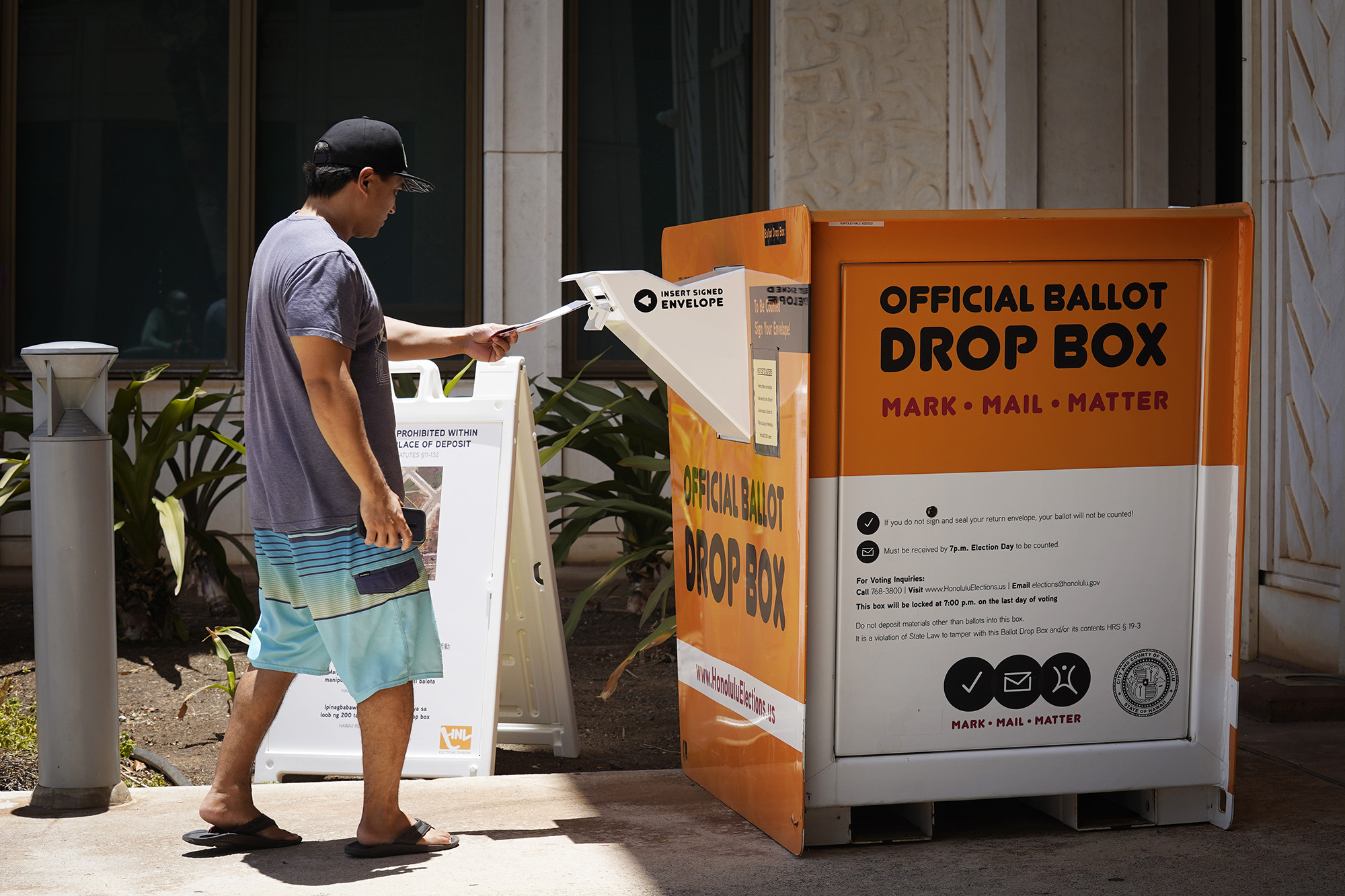
Representative democracy asks elected officials to balance competing priorities, while ballot questions offer electors isolated decisions detached from systemic consequences. In the State of Hawaii, voters receiving their 2026 ballots confront a layered inventory of state constitutional amendments alongside county charter proposals across Honolulu, Hawaiʻi, Maui and Kauaʻi. Because appointed county charter commissions convene only once every ten years, their appearance marks an episodic burst of administrative adjustment rather than sustained civic debate. The process looks like an expansion of self-governance. In practice, it often signals an institutional reluctance to govern.
Decennial charter commissions are structured to examine local administrative machinery and propose structural corrections. Appointed rather than elected, these bodies work at a clinical distance from partisan campaigns. When their findings reach the ballot, however, complex regulatory mechanisms are compressed into isolated yes-or-no propositions. Electors are asked to adjudicate technical administrative jurisdictions, fiscal allocations and managerial oversight without the deliberative trade-offs that legislative chambers exist to weigh.
Delegating the Structural Burden
Direct democracy possesses an intuitive appeal across democratic societies. Putting foundational adjustments to a public vote suggests transparency, offering a check against legislative stagnation and administrative inertia. When elected assemblies stall on contentious institutional disputes, referring an amendment to citizens can appear both fair and definitive. It invites electors directly into the constitutional architecture of their counties and state.
That argument assumes that referendum voting operates as an empowering tool rather than an administrative bypass. Legislative assemblies possess standing committees, public testimony archives and staff economists tasked with assessing how one regulatory alteration constrains another. An elector holding a mail ballot receives none of that connective tissue. Presenting individual structural changes as discrete questions forces voters to evaluate fragmented administrative rules in total isolation. What emerges is not popular mandate, but the delegation of institutional discomfort from elected representatives to a disaggregated electorate.
The Cost of Periodic Revision
Concentrating structural revisions into ten-year cycles creates its own governance distortions. Problems that accumulate across a decade are packaged together and delivered simultaneously to a ballot. Under such conditions, public comprehension is challenged by the sheer volume of charter adjustments and state constitutional amendments. Obscure charter revisions must compete for attention against high-profile political races, leaving structural changes vulnerable to apathy, ballot drop-off or misleading framing.
Such procedural dilution carries real governing consequences. When constitutional or charter language is ratified through a low-information referendum, subsequent public officials find their administrative discretion locked by voter mandates that few electors thoroughly understood. Remedying flawed language requires another cycle of ballot approvals or complex legal interventions. Rather than clarifying the lines of executive and legislative authority, episodic ballot amendments often entrench ambiguity.
The ballot measures confronting voters across Honolulu, Kauaʻi, Maui and Hawaiʻi counties do not demonstrate an excess of civic participation. They reflect a system that prefers periodic popular plebiscites to regular institutional maintenance. Asking electors to redesign administrative frameworks every ten years settles immediate ballot questions, yet it leaves the underlying contradiction intact: the everyday work of structural governance cannot be solved by simply returning it to sender.
Sources
Newsletter
Pacific Daily
A curated briefing from Thailand, Asia-Pacific and the world.