The Marineland Beluga Casualties Expose the Operational Blind Spots of Marine De-Stocking Laws
Legislative bans on captive cetaceans assume receiving infrastructure exists, yet moving thirty large marine mammals reveals how logistical lag turns statutory rescue into acute physical attrition.
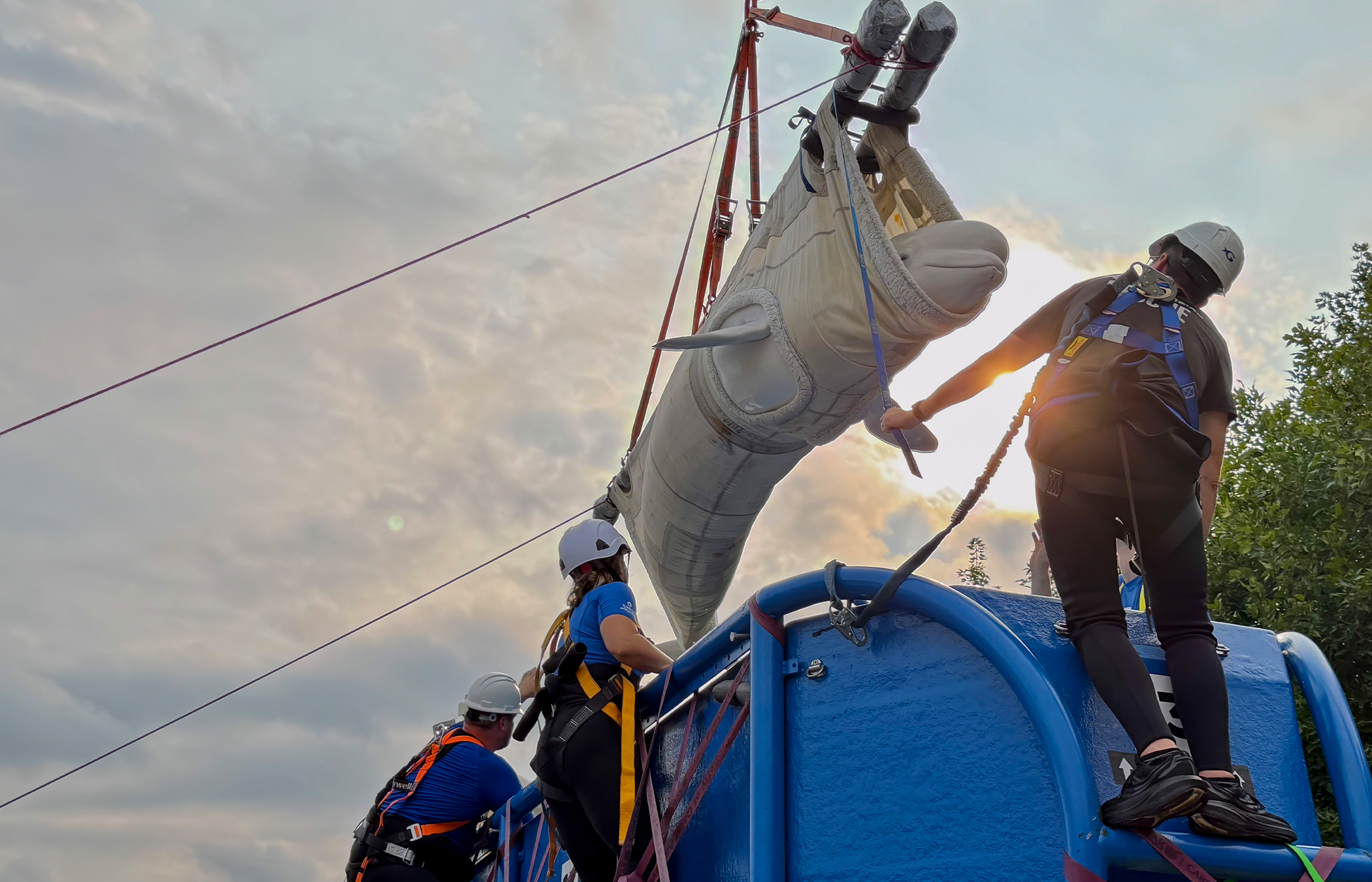
Six beluga whales from a group of 30 relocated out of Canada are dead after two months in their new facilities. The mortalities represent one-fifth of the entire cohort evacuated from Marineland in Niagara Falls, Ontario, across July and August. These animals had remained on site for over a year following the park's closure to the public in 2025. What was presented as an international rescue effort to facilities across the United States and Spain has instead concluded with severe operational loss.
Statutory mandates rarely account for the physical mechanics of decommissioning a live marine inventory. Canada enacted the Ending the Captivity of Whales and Dolphins Act in 2019, making the keeping, breeding, and commercial display of cetaceans illegal. Passing prohibitive legislation is straightforward on paper, but closing the facility where animals reside creates immediate structural bottlenecks. The marine park held dozens of Arctic mammals whose maintenance requires dedicated holding tanks, continuous filtration, specialized veterinary staff, and millions of liters of temperature-controlled water.
When Marineland terminated public operations in 2025, the legal prohibition prevented any commercial offloading within domestic borders. The whales consequently languished on site while handlers negotiated international permits and cross-border logistics. Transporting thirty adult belugas requires high-capacity air freight, specialized transport cradles, continuous hydration protocols, and receiving tanks ready to absorb complex social pods. The receiving network spanned destinations including Chicago, alongside facilities across the United States and Spain.
The Cost of Operational Friction
Moving large marine mammals over intercontinental distances imposes extreme mechanical stress on physiological systems. Cetaceans rely on water buoyancy to support their internal organs; out of water, even during cushioned transit, gravity strains respiratory and vascular systems. Compounding that physical disruption was the prolonged holding period in Niagara Falls prior to departure. Animals maintained in decaying or minimally staffed commercial infrastructure suffer baseline physiological decline long before loading onto transport skids.
Proponents of urgent evacuation argued that remaining in Ontario posed a terminal threat to the entire pod. That assessment was technically defensible given the closure of the commercial park and the uncertain future of its water filtration infrastructure. Evacuation offered the only legal pathway under the 2019 Act, directing animals toward accredited institutions equipped with active veterinary teams.
Yet the sudden loss of six whales within eight weeks demonstrates that transferring vulnerable stock carries a mortality rate that rivalled continued containment. Moving four belugas into a Chicago aquarium or dispatching others overseas did not insulate the pod from acute transit shock. The technical reality of marine transport shows that transfer is not a passive transfer of title; it is an invasive logistical intervention.
Unresolved Containment Capacity
Regional jurisdictions reviewing marine exhibition policies frequently emulate the Canadian ban. Lawmakers assume that prohibiting breeding and exhibition automatically resolves the presence of captive cetaceans. The Ontario experience suggests otherwise. Mandating the end of captivity without establishing dedicated coastal sanctuaries or fully funded transition trusts leaves facilities holding unmarketable, high-cost marine assets in limbo.
Commercial operators under shutdown orders minimize overhead, creating maintenance gaps that compromise animal health months before relocation logistics are finalized. If policy fails to secure specialized holding capacity before enacting divestment mandates, the regulatory burden shifts directly onto the animals. The relocation from Niagara Falls to the United States and Spain did not conclude the operational crisis initiated by the 2019 statute; it merely distributed the final physical toll across international receiving basins.
Sources
Newsletter
Pacific Daily
A curated briefing from Thailand, Asia-Pacific and the world.