Hawaiʻi Elephant Case: Capital, Not Rights, May Redefine Animal Welfare
A legal dispute over elephants in Honolulu highlights economic drivers often overlooked in animal rights discussions, with implications for Asia-Pacific conservation efforts.
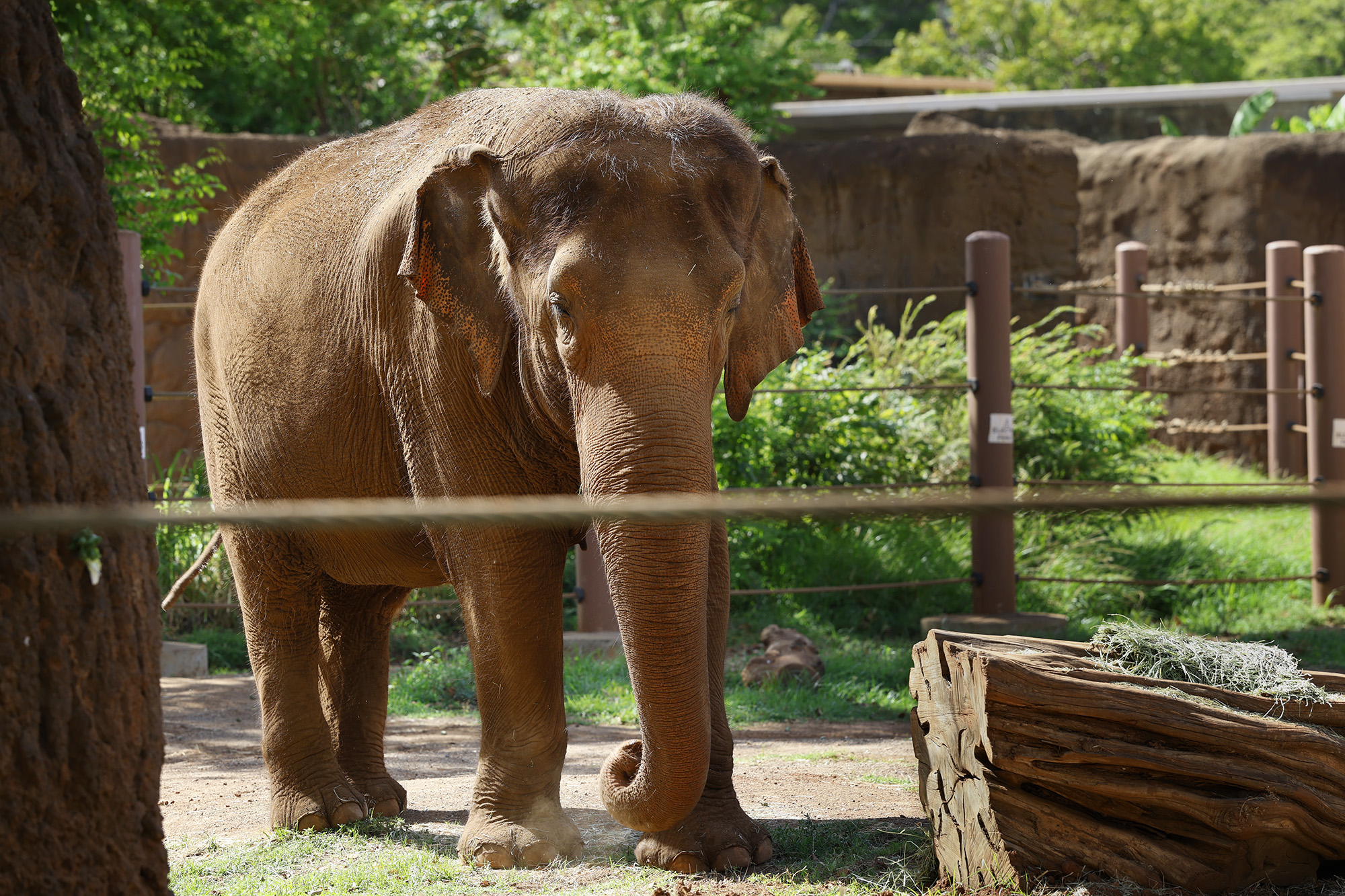
The legal question of whether a writ of habeas corpus can extend to nonhuman animals, as raised in the case of Mari and Vaigai, two elephants at the Honolulu Zoo, is not simply a debate about "human rights" for animals. The Nonhuman Rights Project brought this case before the Hawaii Supreme Court, in *Nonhuman Rights Project v. C&C of Honolulu, et al.*, focusing on the elephants' liberty. However, the structural implications extend beyond philosophical arguments regarding sentience or legal personhood.
Such cases often illuminate the capital plans underlying animal facilities. Zoos, whether privately or publicly funded, operate within financial frameworks that dictate their ability to provide care, undertake conservation, or even cease operations. The continued operation and management of animals in captivity necessitate significant capital outlay. When substantial investments are made, the impetus for continued operation, regardless of welfare concerns, is often reinforced by the sunk costs.
The potential for legal precedent to reshape animal welfare obligations could significantly impact the economic viability of zoos and similar animal exhibition facilities across the Asia-Pacific region, including Thailand. The argument is not whether animals should possess rights, but whether institutions can sustain the economic burden of revised standards of care or habitat provision, should courts compel them. If the cost of maintaining elephants, for example, escalates due to new legal mandates regarding space, enrichment, or social structures, facilities with limited budgets may face difficult decisions. The financial implications of relocation and lifetime care are substantial.
The counterargument posits that improved animal welfare, even if court-mandated, represents a net positive outcome that facilities must absorb. However, without corresponding capital injections or revised funding models, such mandates could lead to the closure of facilities unable to meet new financial thresholds. This, in turn, risks displacing animals or, in regions with less regulatory oversight, incentivizing less transparent practices. The core tension remains: the commitment to animal welfare, however legally defined, must survive contact with the capital plan of the institutions responsible for their care. The Hawaii Supreme Court's deliberations will not solely impact legal interpretations; they will inevitably intersect with the financial realities of animal management, offering a structural precedent for how such costs are weighed against ethical imperatives.
Sources
Newsletter
Pacific Daily
A curated briefing from Thailand, Asia-Pacific and the world.