Resource Extraction and Regional Vulnerability: The Ghana Precedent
The Atewa Forest case in Ghana illustrates a pattern of environmental degradation for resource gain that resonates across global supply chains and exposes regional vulnerabilities in Southeast Asia.
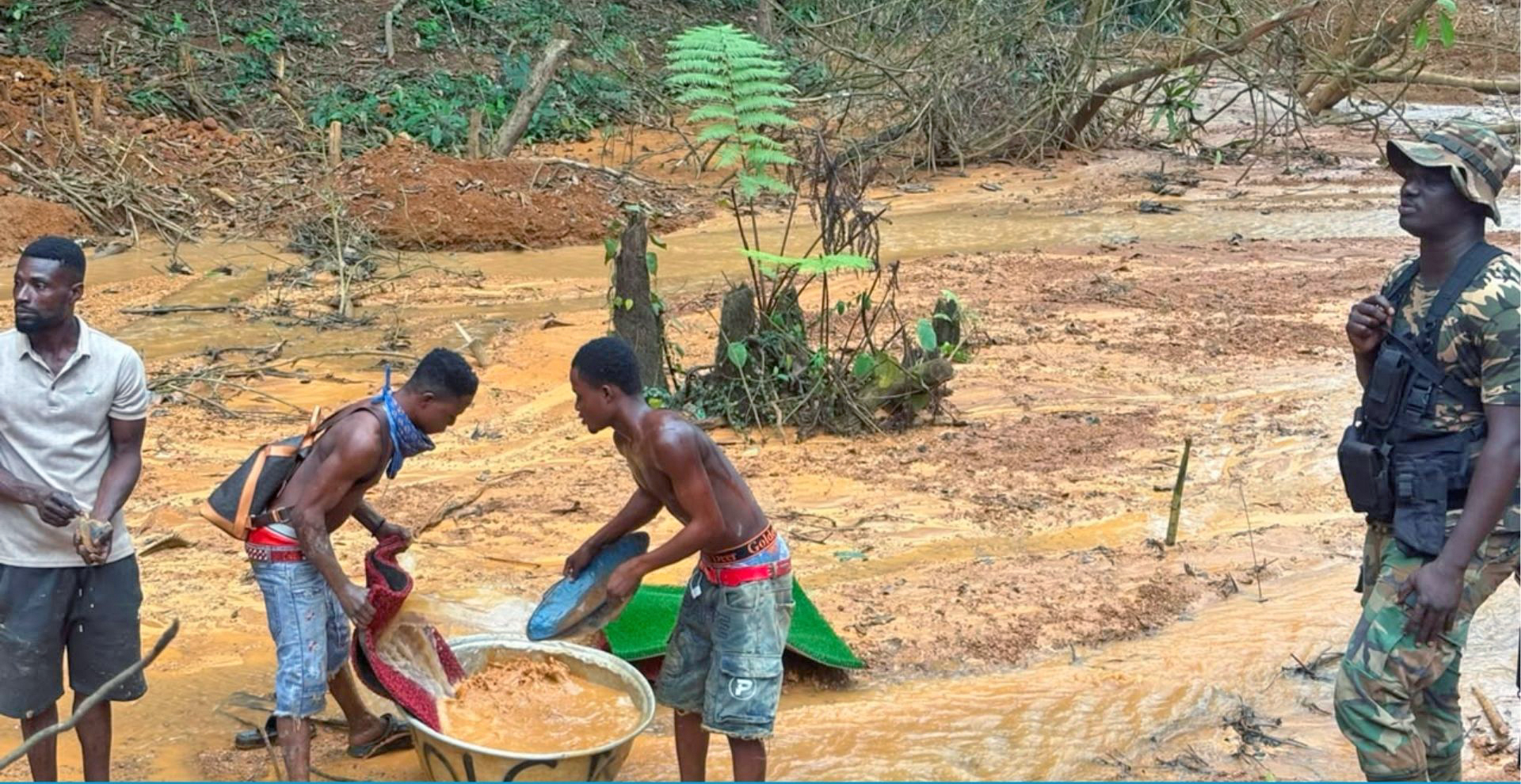
The Atewa Forest Reserve in eastern Ghana faces ongoing ecological degradation. Reported on 2026-09-21, scores of illegal miners are documented entering the reserve daily on motorbikes, operating despite the presence of Forestry Commission guards. Their activities include stripping forest cover and excavating pits, leaving behind abandoned equipment and temporary camps, with streams becoming muddy and polluted. This directly jeopardizes the drinking water for up to five million Ghanaians.
This situation is not isolated. A Rocha Ghana, a conservation initiative, has been monitoring Atewa and other forests, with its deputy national director of operations, Daryl Bosu, stating that these observations are supported by Forestry Commission records and court documents. The Minerals Commission, on 2026-08-04, reaffirmed a commitment to tackling illegal mining through its 'Blue Water Guards' initiative. However, the reported continued illegal activity indicates a persistent challenge in enforcement.
When resource extraction, whether legal or illegal, compromises fundamental resources like water, the immediate local impacts are clear. The broader pattern extends beyond Ghana. Reports from 2023-08-05 indicate that gold mining in the Amazon rainforest is poisoning threatened species. A 2026-03-11 data visualization highlighted how nature is sacrificed globally for mining. Further, a 2026-03-13 report detailed the widespread presence of dams filled with poisonous mining waste. These global instances underscore a pervasive tension between resource demand and environmental stewardship.
For the Asia-Pacific region, particularly nations like Thailand, this global pattern presents a distinct challenge. While the Atewa case involves local illegal activity, its root causes—resource demand and governance gaps—are universal. Thailand, with its own rich natural resources and critical ecosystems, faces similar pressures. The historical trajectory shows that as demand for minerals and raw materials increases, the incentive for both legal expansion and illicit extraction intensifies. This pressure is not always internal; global supply chains often drive resource extraction, transferring environmental costs from consuming nations to producing regions. The United Nations reported on 2019-05-06 that nature's decline is 'unprecedented' and species extinction rates are 'accelerating,' providing a broad context for these localized pressures.
The stated commitment by the Minerals Commission in Ghana to implement 'Blue Water Guards' represents a recognition of the problem and an attempt at intervention. Yet, the reported ongoing illegal mining activity suggests that commitments alone do not guarantee effective enforcement or cessation of environmental damage. This highlights a persistent vulnerability: the gap between policy articulation and on-the-ground implementation. Nations in Southeast Asia, many of which are rich in biodiversity and critical resources, must evaluate the efficacy of their own regulatory frameworks and enforcement capabilities against similar extractive pressures. The question remains whether existing governance structures can adequately protect these regions when the economic incentives for extraction, whether legal or illegal, are so high.
Sources
Newsletter
Pacific Daily
A curated briefing from Thailand, Asia-Pacific and the world.