Climate Displacement Exposes Asia's Vacation Rental Vulnerability
Kauaʻi's housing crisis following Hurricane Lowell highlights a structural problem facing tourism-dependent economies across the Pacific Rim, including Thailand.
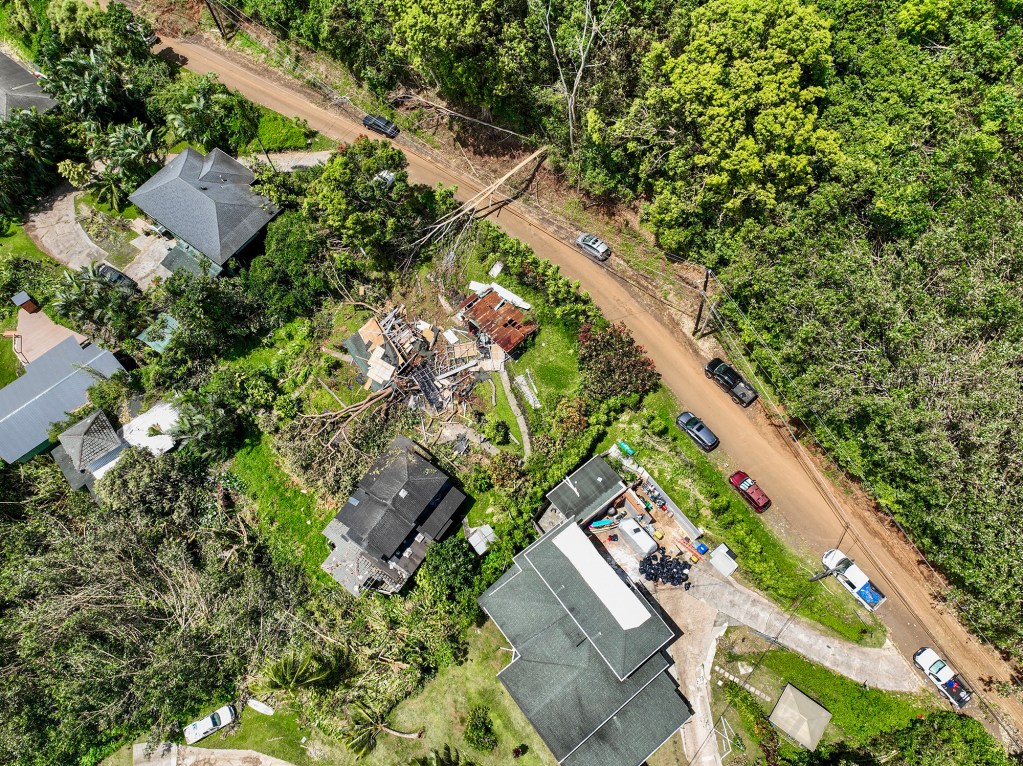
Hurricane Lowell has left dozens of residents in need of temporary housing on Kauaʻi's North Shore. The storm, which struck on September 7, 2026, submerged homes near Wainiha River with fast-moving floodwaters. Kauaʻi County states that around the island, at least 10 homes have been destroyed. The displacement of residents into flood-damaged homes containing mud, sewage, and mold underscores an immediate humanitarian concern.
Critically, at least one in five homes on Kauaʻi's North Shore is a vacation rental. This figure indicates a significant portion of available housing stock is not accessible to local residents in times of crisis. The Honolulu Civil Beat reported on September 17, 2026, that vacation rental owners were urged to take in displaced families. This appeal itself is an acknowledgement of the structural imbalance: a substantial number of properties exist, but their ownership and operational models exclude them from direct community housing solutions during emergencies. The commitment to local housing needs appears to be contingent on the voluntary actions of private, often absentee, owners, rather than an integrated part of a disaster response framework.
The Kauaʻi situation functions as a specific case study for a broader regional vulnerability, particularly for economies within the Pacific Rim that rely heavily on tourism and have significant vacation rental markets. Thailand, for example, shares a similar economic profile in many coastal and island regions. The implication is that in areas where vacation rentals constitute a high percentage of the housing stock, climate-induced disasters — be they typhoons, floods, or other severe weather events — will exacerbate housing crises for local populations. The policy question for these regions becomes whether the economic benefits of a robust vacation rental market outweigh the increased social risk during periods of climate-related displacement. The evidence from Kauaʻi suggests a potential conflict between a tourism-centric capital plan and the basic housing security of local communities.
Governments in these regions face a choice: either integrate vacation rental properties into formal disaster preparedness and housing relocation plans, potentially through regulatory mandates or incentives, or accept that a significant portion of their housing capacity will remain outside the public's reach when it is most needed. The latter would leave communities exposed to sustained housing shortages in the wake of climate events, despite an apparent abundance of residential structures. The current reliance on voluntary appeals points to an unresolved tension in how tourism development intersects with climate resilience and social equity.
Sources
Newsletter
Pacific Daily
A curated briefing from Thailand, Asia-Pacific and the world.