Dhaka’s Incineration Plan Signals Regional Conflict Over Waste Management
A proposed waste-to-energy project near Dhaka exemplifies a common regional tension: the environmental burden borne by local communities for centralized energy policy.
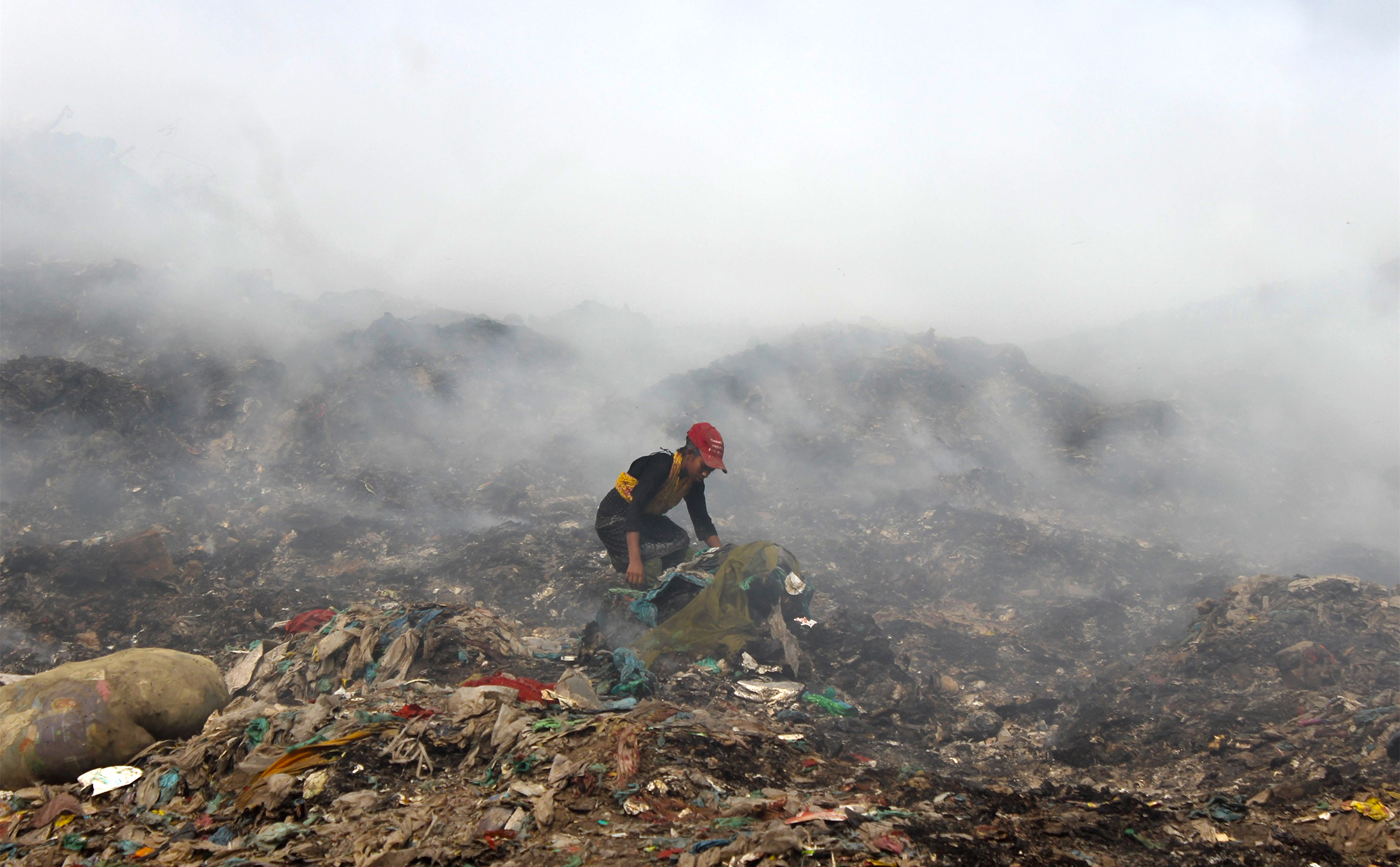
The proposal to construct a waste-to-energy incinerator near Dhaka, Bangladesh, marks a significant shift in the city's approach to municipal waste. If implemented, this facility would incinerate up to 30,000 metric tons of trash daily to generate electricity. This plan represents the first-ever waste-to-energy initiative in Bangladesh.
This development occurs against a backdrop of existing local grievances. Residents like Yeasmin Begum, who has lived near the Amin Bazar landfill her entire life, report persistent health issues attributed to waste management practices. Begum cites allergies, colds, and coughing, explicitly connecting them to the stench and the smoke from waste collectors burning refuse under the open sky. Her statement, "Sometimes it is quite difficult for us to breathe when waste collectors burn the waste under the open sky. Smoke and ashes envelop our home and surroundings," underscores a long-standing environmental burden on local populations.
The waste-to-energy project, despite its stated goal of energy generation and improved waste disposal, risks escalating these local health and environmental concerns. While the project is intended to manage waste on a larger scale, it introduces a new, continuous source of potential air pollution, moving from intermittent open burning to industrial-scale incineration. This transition shifts the environmental impact from diffuse, unregulated burning to a concentrated, regulated, yet still polluting industrial process.
From a regional strategy perspective, Dhaka's approach illustrates a pattern observed across the Asia-Pacific: centralized authorities implementing infrastructure projects that disproportionately affect communities on the periphery. The benefits, such as electricity generation, are often distributed nationally, while the immediate environmental costs, including air quality degradation, are localized. The question arises: which coastline pays for a policy written inland? In this instance, the residents near Amin Bazar bear the direct environmental costs of a solution designed to address Dhaka's broader waste and energy demands.
The intention of addressing waste challenges and energy needs is evident. Bangladesh faces significant pressures in both areas, and waste-to-energy projects are presented as dual solutions. However, the critical challenge lies in managing the externalities. Public opposition, already present due to current conditions, suggests that a new large-scale incineration project will face scrutiny regarding its impact on air quality and public health. The effectiveness of environmental controls and monitoring for such a facility will be paramount in determining whether it truly alleviates or merely transmutes existing problems.
This tension between national policy goals and local environmental impacts remains a defining characteristic of infrastructure development in the region. The Dhaka project, while addressing immediate urban needs, highlights the ongoing challenge of equitable burden-sharing and the necessity for robust local engagement and protective measures in environmental policy. The unresolved question is how the project's long-term environmental consequences for communities like Amin Bazar will be reconciled with the country's broader energy and waste management aspirations.
Sources
Newsletter
Pacific Daily
A curated briefing from Thailand, Asia-Pacific and the world.