When Autumn Typhoons Ground the Regional Route
Flight cancellations between Bangkok and Taiwan expose how deeply commercial corridors remain beholden to seasonal weather systems.
SINGAPORE
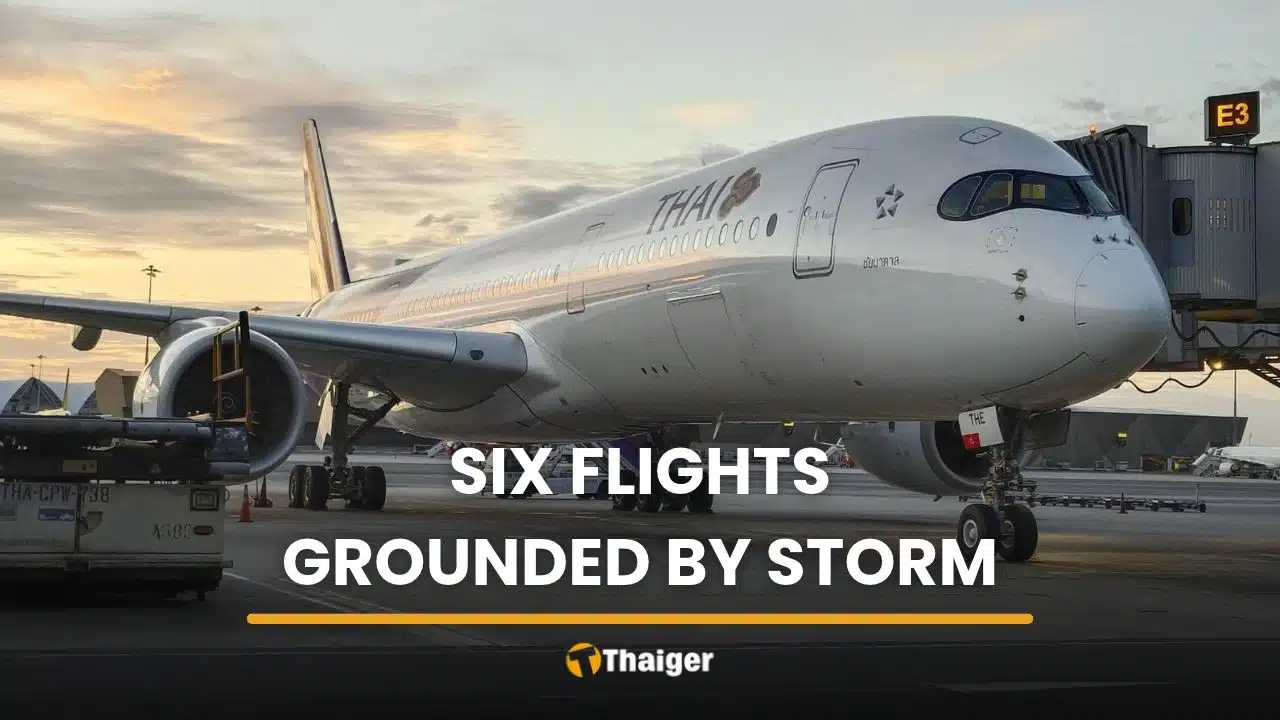
Departure display screens at the terminal in Bangkok do not register meteorological drama with grand announcements. A flight code quietly shifts from scheduled to cancelled, passenger queues disperse toward customer service counters, and the measured cadence of regional air transit pauses. On October 23, Thai Airways International cancelled six flights connecting Bangkok with Taipei and Kaohsiung as Typhoon Champi crossed Taiwan, disrupting services across October 23 and October 24. Four flights on the Bangkok–Taipei route vanished from the daily schedule, including morning departure TG632, return flight TG633, and TG634.
For commercial aviation across the region, such autumn halts are neither freak occurrences nor unpredictable shocks. They are the seasonal reality imposed by cyclonic weather patterns across maritime skies. The modern travel economy sells effortless mobility, inviting passengers to regard vast stretches of open water as an interchangeable corridor spanned in a single morning. Yet atmospheric conditions routinely reclaim that space, demonstrating that geography continues to govern the most modern flight paths.
The Friction of Autumn Skies
Commercial carriers across the Asia-Pacific recorded revenues climbing 4.3 percent to 223.7 billion dollars in 2025, buoyed by expanding passenger demand. Airline operators design networks to maximize aircraft utilization, running tightly calibrated rotations between major urban centres. When severe cyclonic systems disrupt routes connecting Taiwan and Hong Kong, as occurred during storm disruptions in September 2025, this tightly strung operational machinery faces immediate strain.
Cancelling flights to Kaohsiung and Taipei represents necessary operational prudence. Navigating widebody jetliners through typhoon conditions presents unacceptable risks, and grounding aircraft prevents expensive fleet assets from becoming stranded away from home bases. Each cancelled departure, however, triggers immediate administrative bottlenecks. A broken schedule in Taiwan ripples back to Bangkok, where terminal concourses fill, transfer connections break, and customer service desks must rebook travelers whose itineraries have collapsed. The sudden halt echoes the logistical vulnerability seen when 5,000 bags became stranded at Bangkok airport in late 2026, an episode demonstrating how quickly terminal operations become encumbered during schedule disruptions.
Beyond Seamless Transit
The tension lies in how modern air corridors are marketed against how they actually function. Commercial schedules present overseas destinations as perennial fixtures, accessible year-round with uniform predictability. Consumers plan short holiday departures under the impression that flight paths operate independently of nature. Autumn, however, remains a volatile transition period across these waters. Cyclones do not adjust their paths for scheduled rotations or passenger itineraries.
Carriers maintain contingency buffers to absorb short disruptions, yet travelers absorb the quiet friction of postponed plans, missed connections, and terminal delays. The Thai government issued a travel notice advising passengers to check flight status and contact the airline, but official advisories cannot restore lost days. The price of intense regional mobility remains an enduring exposure to weather cycles that digital booking systems cannot bypass.
Inside the terminal in Bangkok, the empty air corridor to Taipei leaves behind quiet gate lounges and stalled luggage carousels. The autumn season reasserts its authority over commercial schedules, reminding travelers that transit across these skies remains an enterprise negotiated with the elements.
Sources
Newsletter
Pacific Daily
A curated briefing from Thailand, Asia-Pacific and the world.