Taiwan's Port Closures Expose the Operational Costs of Pacific Storm Buffers
Precautionary shutdowns ahead of Typhoon Champi illustrate how maritime trade routes absorb disruption across regional shipping lanes
SINGAPORE
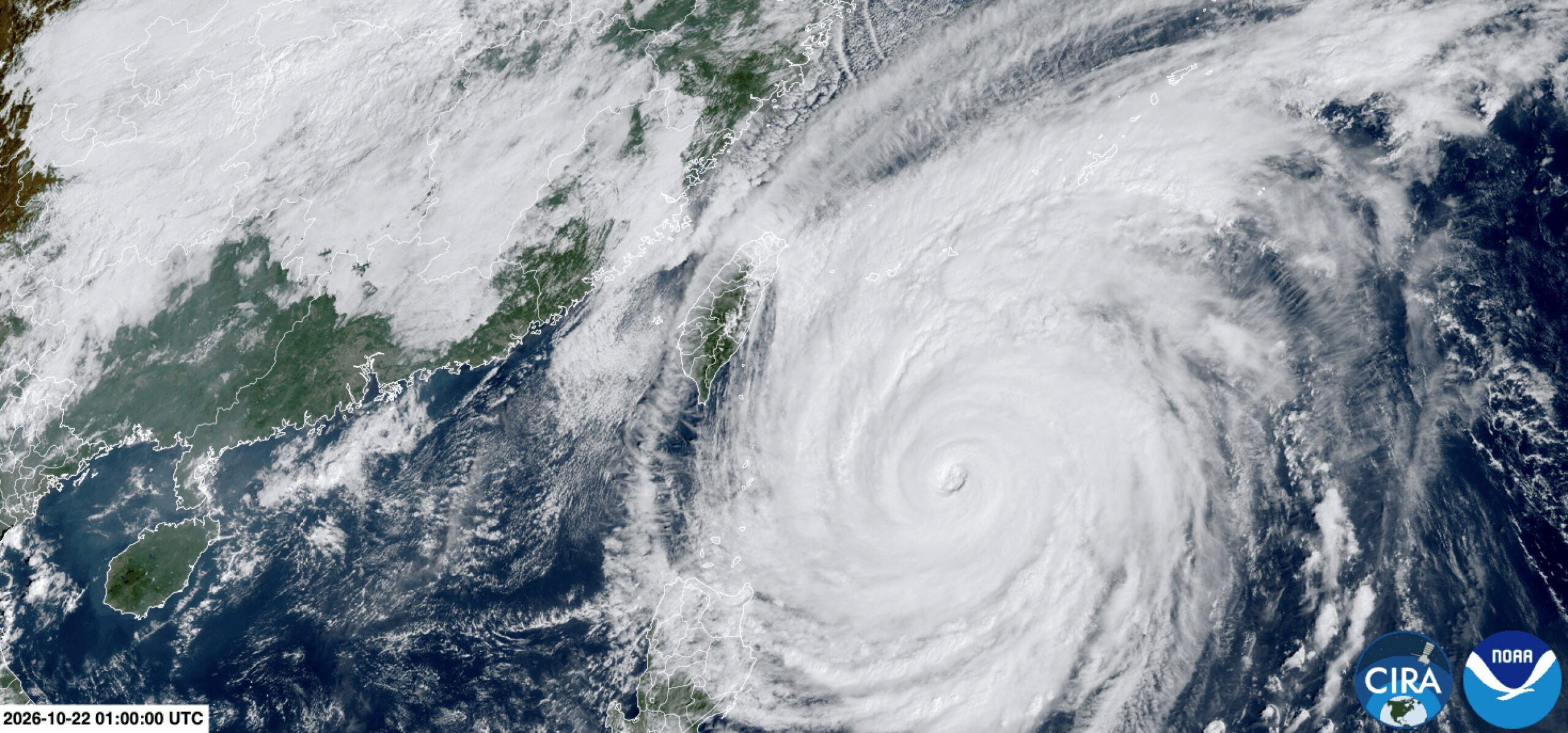
Harbour infrastructure reveals its true economic vulnerability long before gale-force winds reach the quayside. As Typhoon Champi bore down on northern Taiwan, pushing high surf ashore in Keelung on Oct 22, maritime authorities faced a familiar calculation. Taiwan's Central Weather Administration reported gusts reaching around 191kmh near the centre of the storm, prompting transport networks to halt operations on Friday, Oct 23. Although meteorologists noted that the system was weakening from its previous super typhoon status, its 320km radius remained large enough to cover most of the island.
Hundreds of flights were cancelled and domestic transit stopped.
Yet the operational friction extends well beyond air terminals. In commercial shipping, a storm radius of 320km across the Pacific forms an immediate operational barrier across sea lanes connecting trade corridors between Japan, Taiwan, and mainland ports across China. When terminal gates close in Keelung and coastal perimeters brace in Yilan, vessels must execute costly diversions. Fleet controllers infer that waiting out sea swells offshore presents lower financial exposure than confronting severe surges at exposed quaysides.
The Friction of Precautionary Paralysis
Commercial terminal operators face asymmetric incentives during severe meteorological events. Suspending quayside cranes and halting cargo operations carries quantifiable hourly demurrage penalties alongside berthed vessel backlogs. Failing to act before recorded gusts touch 191kmh, however, risks structural hull impacts, severed mooring lines, and protracted quayside crane damage. Taiwan's comprehensive Friday closure indicates that port authorities prioritised physical asset survival over continuous cargo throughput, even as reports confirmed the storm had begun to lose peak intensity.
Critics of sweeping precautionary halts argue that broad commercial shutdowns inflict disproportionate logistical friction, particularly when tropical systems weaken before direct landfall. That assessment underestimates the spatial mechanics of heavy sea states. High waves striking Keelung on Oct 22 established that marine pilotage and lighterage become unviable well before wind speeds crest. A meteorological footprint spanning 320km cannot be managed through localized coastal exceptions.
Shifting Logistics and Regional Bottlenecks
Regional supply chains absorb these pauses through accumulated voyage delays across northeast Asia. Marine traffic rerouted around Champi's perimeter burns surplus fuel reserves while competing for scarce pilotage slots once berths reopen. These regional delays suggest that an operational freeze in northern Taiwan inevitably degrades scheduling integrity across secondary ports throughout the Pacific basin.
Recovery speeds now depend on structural assessments along exposed breakwaters once sea conditions subside. What remains unresolved is how regional shipping schedules can maintain predictable rotations when recurring storm perimeters consistently disrupt critical island gateways.
Sources
Newsletter
Pacific Daily
A curated briefing from Thailand, Asia-Pacific and the world.