Singapore's measured step into autonomy offers a regional lesson
Waymo’s expansion into the city-state suggests a pragmatic approach to the future of urban mobility in Southeast Asia.
SINGAPORE
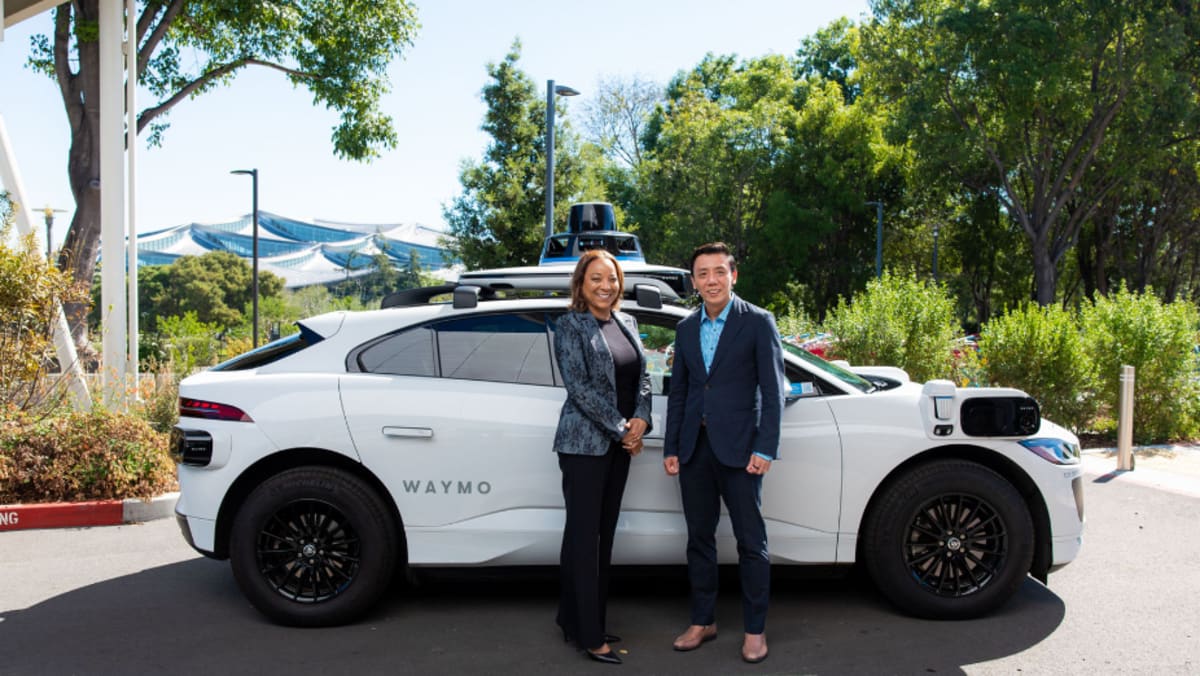
Within the ordered grid of Singapore’s streets and high-rise structures, a new form of transport is set to arrive. Alphabet-owned Waymo is to launch its autonomous ride-hailing service in the city-state by 2028. This move follows the company’s stated expectation for its first vehicles to arrive in Singapore in the coming months, marking an advancement in the deployment of robotaxi technology beyond its operational areas in the United States and recent testing in Europe. Waymo has been deploying its next-gen Ojai robotaxis to extend its U.S. lead since February 2025 and expanded to Baltimore, Pittsburgh, and St. Louis with manual test drives in December 2025. Reuters reported in August 2026 that Waymo would begin testing autonomous vehicles in Munich.
Singapore has long cultivated an image of meticulous urban planning and technological adoption, making it a logical choice for such a venture. The city-state’s managed traffic flows and comprehensive digital infrastructure present a near-ideal testbed for autonomous systems. The arrival of Waymo’s fleet asks a fundamental question of its inhabitants: how does a society integrate technology that promises efficiency but reconfigures established patterns of work and movement?
For Thailand, and indeed the broader Asia-Pacific region, Singapore often serves as a barometer, not just for economic trends but also for the practical application of emerging technologies. While Bangkok’s vibrant streetscapes or Jakarta’s sprawling congestion might seem distinct from Singapore’s controlled environment, the lessons learned and systems validated here will inevitably inform similar discussions across the region. The immediate impact in Thailand may not be visible, but the precedent being set is considerable. The region, with its dense urban centers and rapidly expanding digital economies, stands at a unique junction where the deployment of such systems could either alleviate significant infrastructure pressures or introduce new forms of digital disparity.
Yet, the path to widespread adoption is not without its convolutions. A transition to fully autonomous transport inherently displaces human drivers. In many Southeast Asian economies, ride-hailing and taxi services form a significant component of the informal labor market, providing livelihoods for millions. Singapore’s compact labor force and high-skill economy may absorb this reorientation differently than, for example, the Philippines or Vietnam, where the impact on traditional employment sectors could be profound. Furthermore, public trust in self-driving technology remains an evolving landscape; Waymo co-CEO Tekedra Mawakana states that the company expects demand to rise, but broader societal acceptance will dictate the pace of integration.
The stated timeline of 2028 for the full launch suggests a careful, phased approach, allowing for regulatory adjustments and public acclimatization. The quiet arrival of test vehicles, rather than a grand, immediate deployment, reflects a pragmatism that acknowledges both the promise and the complexities of autonomous mobility. Singapore, by its very nature, demands precision, and Waymo’s staggered rollout appears to align with that expectation. The region watches, learning not just how these vehicles perform on the road, but how a society adapts to their presence, and what that adaptation requires of its people.
Sources
Newsletter
Pacific Daily
A curated briefing from Thailand, Asia-Pacific and the world.