The Migration of Elite Kitchen Prestige Across Asia
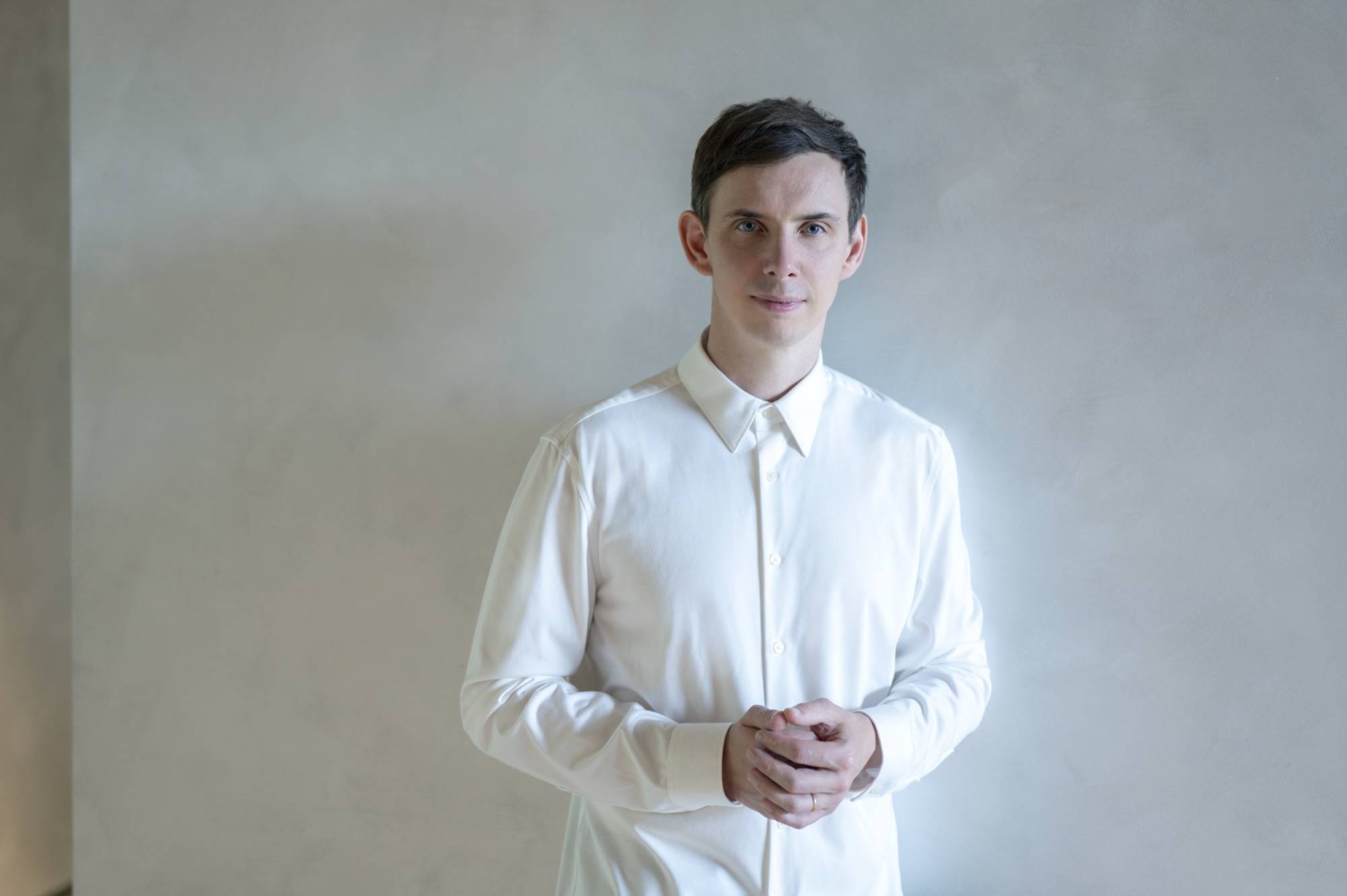
Daniel Calvert departs three-starred Sezanne to start anew, testing how culinary authority functions once extracted from established institutional dining rooms
SINGAPORE
A dining room at the peak of French gastronomy operates on an illusion of stillness. Starched table linen dampens sound, crystal catches low light, and the service staff moves with calibrated discretion to suggest that culinary excellence belongs entirely to the address. That calculated permanence fractures whenever leadership departs. With the reported opening of Daniel Calvert's new venture following his tenure at three-starred Sezanne, fine dining faces an abrupt test of how prestige actually travels.
The announcement, reported by The Japan Times Life, centers on a straightforward milestone. Calvert, having completed celebrated work at French restaurant Sezanne, has opened a new restaurant. What shifts around that event, however, is far more precarious.
Institutions historically hold the balance of power across the Asia-Pacific culinary circuit. Grand dining houses spend years curating deep cellars, training disciplined brigades, and building institutional reputations that comfortably withstand personnel turnover. Patrons routinely pay for that continuity, trusting the room itself to guarantee three-starred precision regardless of who directs service on any given evening. When a chef of Calvert's profile steps away, the relationship between diner and venue reverses entirely. Rather than trusting an established dining room that happens to house an accomplished cook, diners increasingly follow individual authors into untested spaces. The culinary reputation no longer belongs safely to the institution; it rests on a single name negotiating a completely new floor.
The Friction of New Space
One could reasonably argue that culinary prestige is inherently personal and moves unimpeded across borders. Prominent culinary figures frequently build followings across disparate cities, carrying palate, technique, and discipline wherever they choose to fire an oven. From this perspective, an independent opening is not an operational hazard but an artistic liberation. Unshackled from rigid hotel dining formats or institutional templates, an executive chef can supposedly tailor hospitality with greater agility, offering regular patrons an uncompromised expression of modern French cooking. If discerning diners follow the artisan rather than the real estate, creative authority remains entirely intact.
Yet that interpretation downplays the severe operational machinery required to maintain three-starred consistency night after night. Personal ingenuity matters, but consistent dining at this level is fundamentally a feat of systems, supply lines, and collective discipline. Without those invisible scaffolds in place, culinary brilliance remains vulnerable to everyday operational friction.
At Sezanne, Calvert operated within an established fine dining infrastructure where institutional backing absorbed friction and underwrote relentless precision. Setting up an entirely new restaurant inevitably disrupts those quiet baselines. A new room requires assembling a fresh kitchen brigade, calibrating distinct equipment, and refining service pacing from scratch, all under immediate public attention. Because his previous kitchen attained three-starred status, scrutiny begins at the apex rather than the perimeter. Every plate will be measured not merely against the surrounding dining market, but against the institutional benchmark he previously established. When perfection slips even slightly during opening months, an independent operator cannot diffuse responsibility across a legacy brand.
Shifting Authority
This migration mirrors a broader realignment in metropolitan taste. Dining habits across regional capitals increasingly elevate individual authorship over venerable dining halls, mirroring consumer desire for intimate authenticity. Still, an individual name cannot cook every course, wash every pan, or pour every glass. The central dilemma of Calvert's new restaurant is whether an individual's reputation can survive the physical extraction from the luxury apparatus that helped create it. While craft may be portable, the perfectionism of a three-starred kitchen is notoriously difficult to transplant into an unfamiliar room.
Sources
Newsletter
Pacific Daily
A curated briefing from Thailand, Asia-Pacific and the world.