The High Seas Accounting That Leaves Seabirds Unprotected
Agreement on high-risk zones without mandatory rules illustrates the chronic gap between scientific modeling and fisheries regulation.
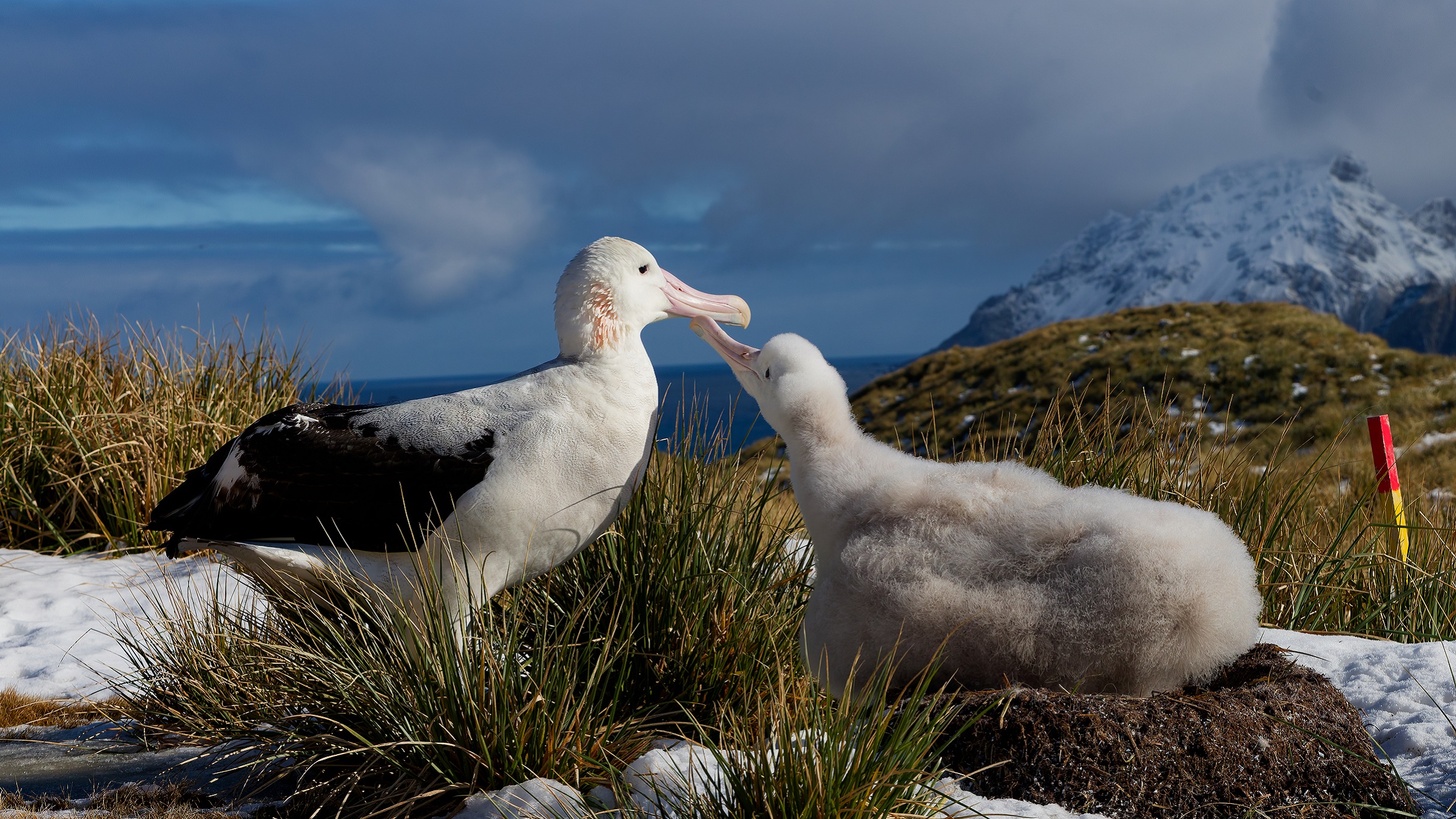
When multilateral fisheries bodies confront ecological degradation, the administrative response almost invariably takes the form of non-binding classification. That familiar reflex defined proceedings between Oct. 5 and Oct. 8 in Brussels, where the Commission for the Conservation of Southern Bluefin Tuna concluded its annual meeting without establishing new enforceable protections to curb seabird mortality.
The official record from the eight-member multilateral body documents an acute operational compromise. Guided by recent modeling, the delegations formally agreed on 13 priority seabird species for conservation efforts and designated high-risk areas across the several oceans where fleets operate. Yet the commission stopped short of enacting binding safeguards due to explicit reluctance among certain member states. Consequently, these newly defined spatial designations carry no mandatory operating adjustments for active longline vessels targeting Thunnus maccoyii, leaving the actual mechanics of oceanic extraction untouched despite the formal acknowledgment of acute species vulnerability.
Scientific Consensus Without Commercial Friction
This split between technical consensus and operational enforcement follows an established structural calculus. High-seas management bodies regularly commission ecological models that map bycatch patterns, bird distributions, and geographic intersections between species and fishing operations. Delegations readily endorse these technical findings because analytical consensus imposes zero balance-sheet liability on national fishing fleets. A formal agreement recognizing 13 vulnerable seabird species allows participant governments to signal environmental alignment without altering the capital allocation or fishing economics of their respective longline operations. In practical terms, the modeling documents ecological exposure while the administrative framework insulates domestic industrial operators from the costs of regulatory compliance.
Industrial longlines deployed across high-risk zones expose foraging birds to baited hooks. Preventing those deaths requires operational friction, from weighted gear to altered deployment routines, that commercial fleets will not voluntarily absorb. Without binding mandates, commercial incentives prioritize speed and operational continuity over bird survival.
Formal scientific recognition without binding operational rules provides the illusion of governance while preserving commercial inertia.
Defenders of the Brussels proceedings argue that multilateral diplomacy requires progressive, phased steps before binding obligations can take root. Within international bodies where every decision intersects with competing national commercial interests, achieving formal agreement on scientific modeling and geographic hazard areas represents a meaningful technical milestone. By securing unanimous consensus on the specific list of 13 priority species and defining their high-risk maritime zones, the body produced a documented baseline that member states can no longer dispute as conjectural. Proponents maintain this factual consensus creates the political prerequisite for binding management measures in future negotiations.
The Mechanics of Regulatory Inertia
That incremental optimism misinterprets the commercial logic governing international waters. Analytical maps do not deter longline gear. While regional bodies spend successive annual cycles refining technical classifications, industrial longliners continue to deploy hooks across designated high-risk zones without constraint. The structural weakness of the commission lies precisely in its consensus framework, where a small cohort of reluctant members can neutralize enforceable conservation measures and insulate domestic fleets from capital adjustments.
The commission possesses the analytical tools to map ecological damage with precision, yet it remains politically unable to convert that knowledge into legal obligations. Until conservation agreements enforce binding operational rules, industrial longline priorities targeting Thunnus maccoyii will continue to override the survival of the seabirds in their wake.
Sources
Newsletter
Pacific Daily
A curated briefing from Thailand, Asia-Pacific and the world.