Australia's Quoll Revival Highlights Broader Regional Conservation Disparities
While recent successes in eastern quoll reintroduction on mainland Australia are notable, the Asia-Pacific region often faces more complex conservation challenges with varied resources.
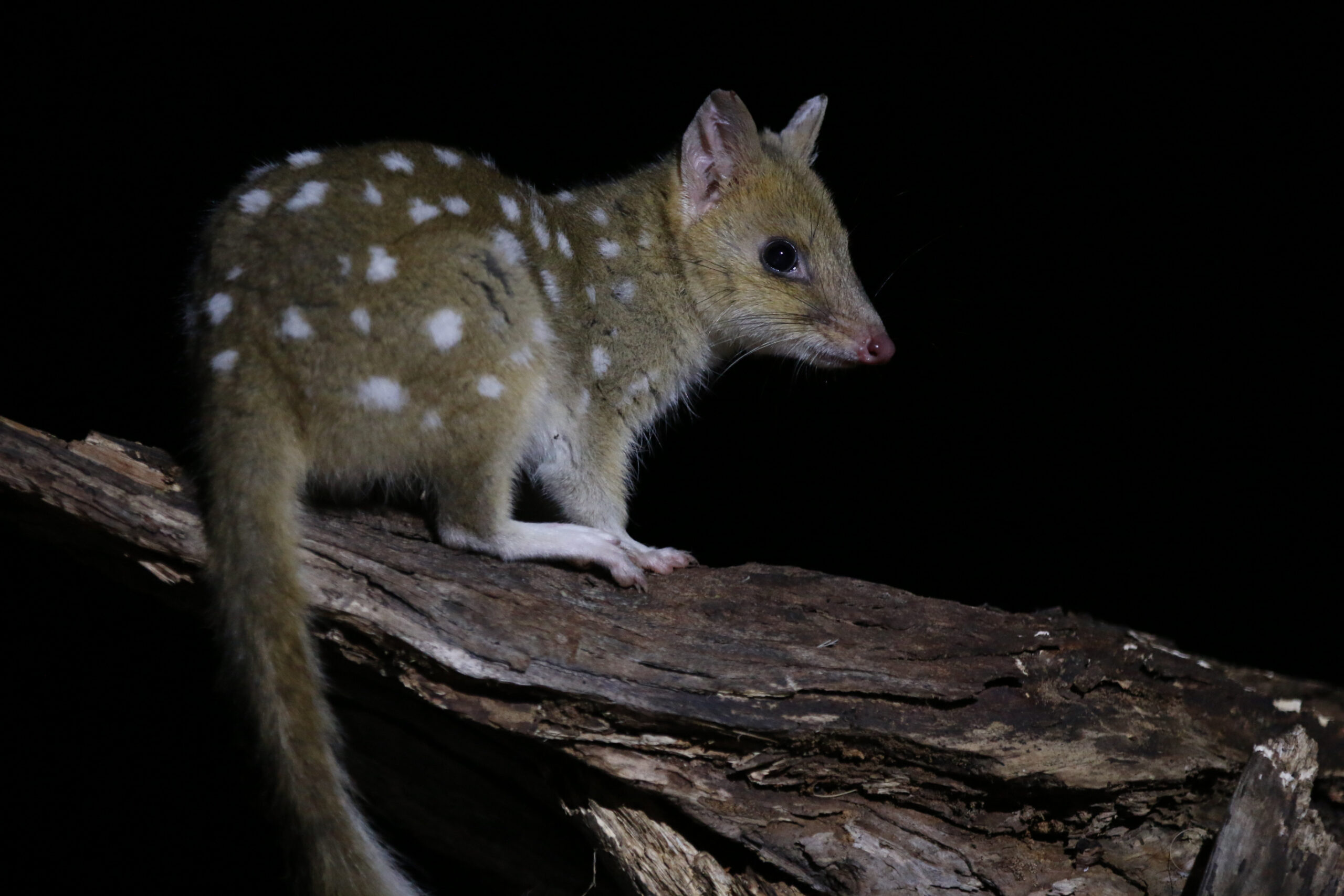
The reported welcome of eastern quoll joeys in Australia’s conservation efforts marks a specific success in species reintroduction. Once widespread along the eastern coastal fringe and described as being in “plague abundance” in the 1800s, the eastern quoll (Dasyurus viverrinus), a nocturnal carnivorous marsupial, faced a significant decline. The mammal, known for its ferret-like pointed face, bushy tail, and two primary color variants—light fawn and blackish-brown with white spots—was even called a native cat due to its resemblance to domestic cats in size and hunting behavior. Settlers from Europe introduced domestic felines, which likely contributed to the change in quoll populations.
Efforts to reintroduce the eastern quoll to mainland Australia have been underway, with a survey in February 2026 indicating successful reintroduction. This follows earlier actions, including the release of 50 eastern quolls in a sanctuary in May 2022 and another 10 quolls in December 2022 to boost an 'insurance' population. Genetic boosts from scientists in 2018 also formed part of this strategy. These initiatives demonstrate a focused, long-term commitment to restoring a species to its historical range, leveraging both scientific intervention and managed releases.
However, this Australian success story, while a positive indicator for specific, well-resourced conservation projects, does not necessarily reflect a broader trend across the Asia-Pacific. The question of how commercial farming and conservation can co-exist, for instance, was still being explored in Australia as late as April 2026. This ongoing discussion, even in an economy with robust environmental governance, points to the inherent tensions and trade-offs that often complicate conservation efforts.
For many nations in Southeast Asia and parts of the Pacific, the challenges are distinct. Policy frameworks are often less mature, and historical contexts differ significantly. The impact of rapid economic development, coupled with less established enforcement mechanisms, frequently leads to a different set of pressures on endangered species and ecosystems. Where Australia benefits from considerable scientific infrastructure and dedicated protected areas, other regions may contend with fragmented habitats, transboundary poaching, and limited financial resources for extensive reintroduction programs.
The eastern quoll's situation highlights that successful conservation is not merely about scientific possibility but also about the political will, economic capacity, and societal engagement to implement and sustain such efforts. The scale and nature of these resources vary profoundly across the Asia-Pacific. A single, focused reintroduction in Australia, while scientifically sound, offers limited direct lessons for countries grappling with more diffuse threats or different economic realities. Thailand, for example, faces intricate dynamics where agricultural expansion, illegal wildlife trade, and urban development exert constant pressure on its diverse, yet vulnerable, ecosystems.
The successful re-establishment of a species like the eastern quoll in Australia illustrates that sustained, targeted interventions can yield results. Yet, this achievement should not obscure the divergent challenges faced by other nations in the region. The complexity of balancing economic imperatives with conservation goals remains a fundamental, unresolved tension across much of the Asia-Pacific, often demanding solutions far more intricate than those applied in isolated, well-funded sanctuaries.
Sources
Newsletter
Pacific Daily
A curated briefing from Thailand, Asia-Pacific and the world.