The Fraser Valley Crash Exposes the Peril at Agriculture’s Urban Edge
A severe collision on an Abbotsford road reveals the mounting physical risks borne by producers who supply the regional table.
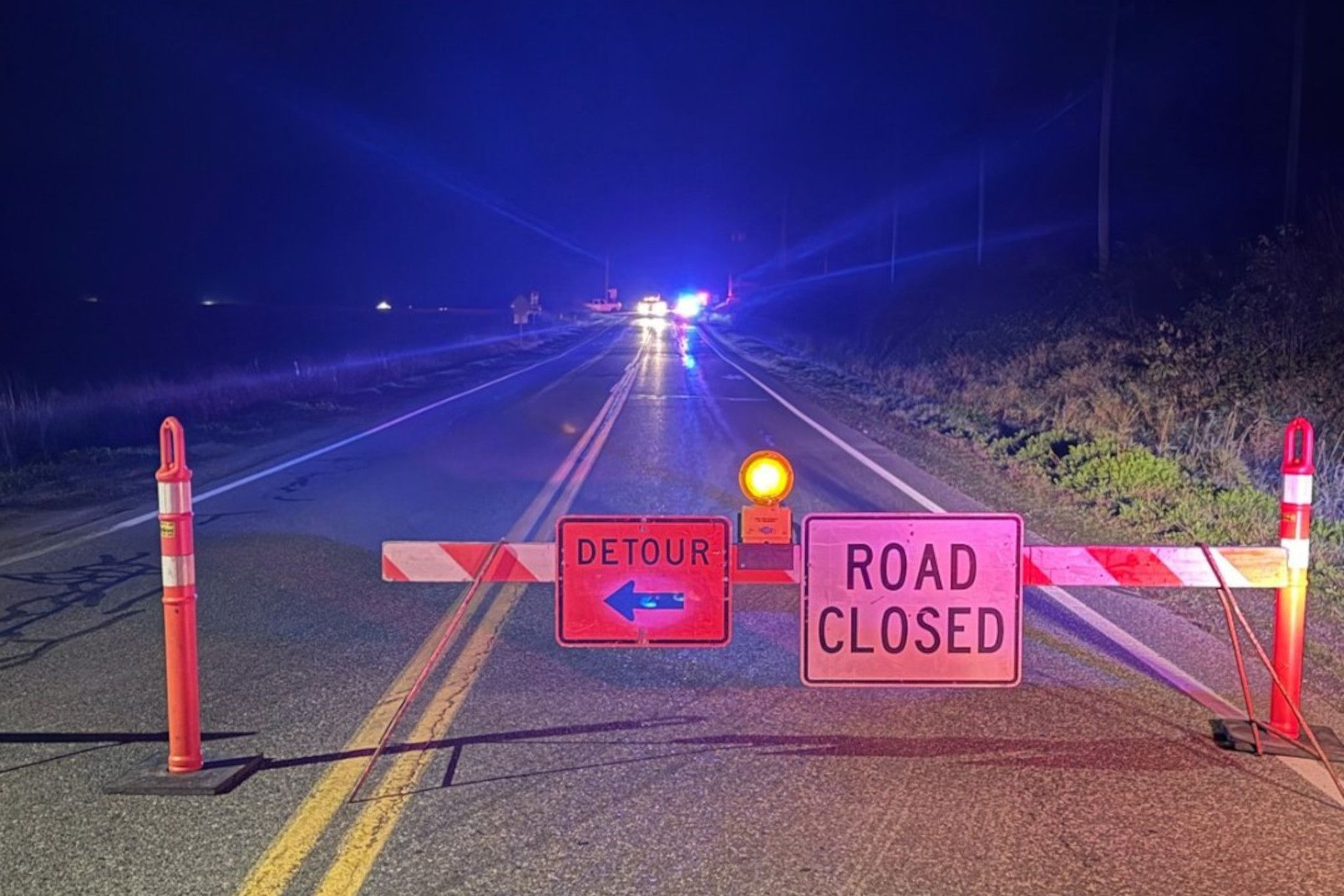
Speed kills agricultural margins, and occasionally it crushes the grower. Shortly after 7 p.m. on Monday, Oct. 19, a farm tractor travelling westbound on Vye Road, east of Cole Road in Abbotsford, was struck from behind by a pickup truck. Abbotsford Police reported that the force of the impact propelled the agricultural machinery off the roadway into a rollover. Emergency responders airlifted the tractor driver to hospital with life-threatening injuries. While investigators continue looking into the mechanical and situational causes of the crash, the incident exposes an uncomfortable reality for regional food systems. City dining rooms demand constant supply, yet the physical corridors moving raw production face severe infrastructure strain.
Every kitchen depends on heavy machinery navigating shared rural roads. When urban expansion pushes passenger vehicles into active cultivation zones like the Fraser Valley, farm equipment inevitably encounters high-speed transit. The resulting friction is structural rather than accidental. Food logistics require regular transit between fields, packing hubs, and processing stations. Passenger vehicles, by contrast, move on commercial thoroughfares with expectations of open highway speeds. When these two operational worlds collide on a single strip of asphalt, the physical disparity proves catastrophic.
The Friction on Rural Corridors
Abbotsford anchors a significant share of regional agricultural output. The fields bordering Vye Road supply produce and agricultural commodities that feed wholesale channels across the Pacific Rim. Moving those harvests requires farm tractors to traverse public rights-of-way alongside general commuter traffic. Farm machinery is engineered specifically for field traction and low-speed torque rather than highway crash survival. Its cab structures rarely offer the protective crumple zones or impact mitigation common in contemporary automotive manufacturing.
Sceptics may view this incident as a routine traffic failure rather than an economic symptom. Driving error remains a plausible contributing factor, and Abbotsford Police have not yet concluded their technical investigation into the crash dynamics. Attributing the collision solely to individual negligence, however, misses the larger operational tension at work. Rural roads were laid out to service farm properties, yet suburban growth has converted these work passages into commuter detours. As traffic density climbs, operators of slow-moving equipment face escalating hazards simply performing baseline field work. The human danger falls entirely upon the worker in the tractor cab.
Structural Risks Behind the Harvest
Urban culinary establishments build their reputations on local farm sourcing. Menus proudly celebrate proximity to the soil while remaining oblivious to the physical vulnerabilities required to keep that produce moving. Producers operate under relentless wholesale price compression, rising operational overheads, and volatile market returns. Expecting these growers to share high-speed commuter arteries with heavy equipment without dedicated infrastructure shifts transit risk directly onto farm labourers.
Preliminary accounts from Abbotsford Police confirm that both vehicles travelled in the same direction before the rear-end collision occurred. That specific crash geometry underscores how vulnerable slow-moving harvesting machines remain to faster traffic approaching from behind. Without physical separation between agricultural transport and high-speed commuters, rural corridors will continue to generate catastrophic points of contact.
The Fraser Valley tractor rollover illustrates the friction created when metropolitan speed encroaches upon agricultural production corridors. While the injured tractor driver fights for survival following the airlift, the deeper conflict between commuter mobility and the baseline logistics of farming remains entirely unresolved.
Sources
Newsletter
Pacific Daily
A curated briefing from Thailand, Asia-Pacific and the world.