Michelin's Vancouver Nod for Korean Cuisine Reflects Global Shifts in Consumer Demand
A Vancouver restaurant's Michelin recommendation highlights changing dining preferences and the growing international appeal of specific Asian cuisines, signaling opportunities and challenges for the broader Asia-Pacific food economy.
SINGAPORE
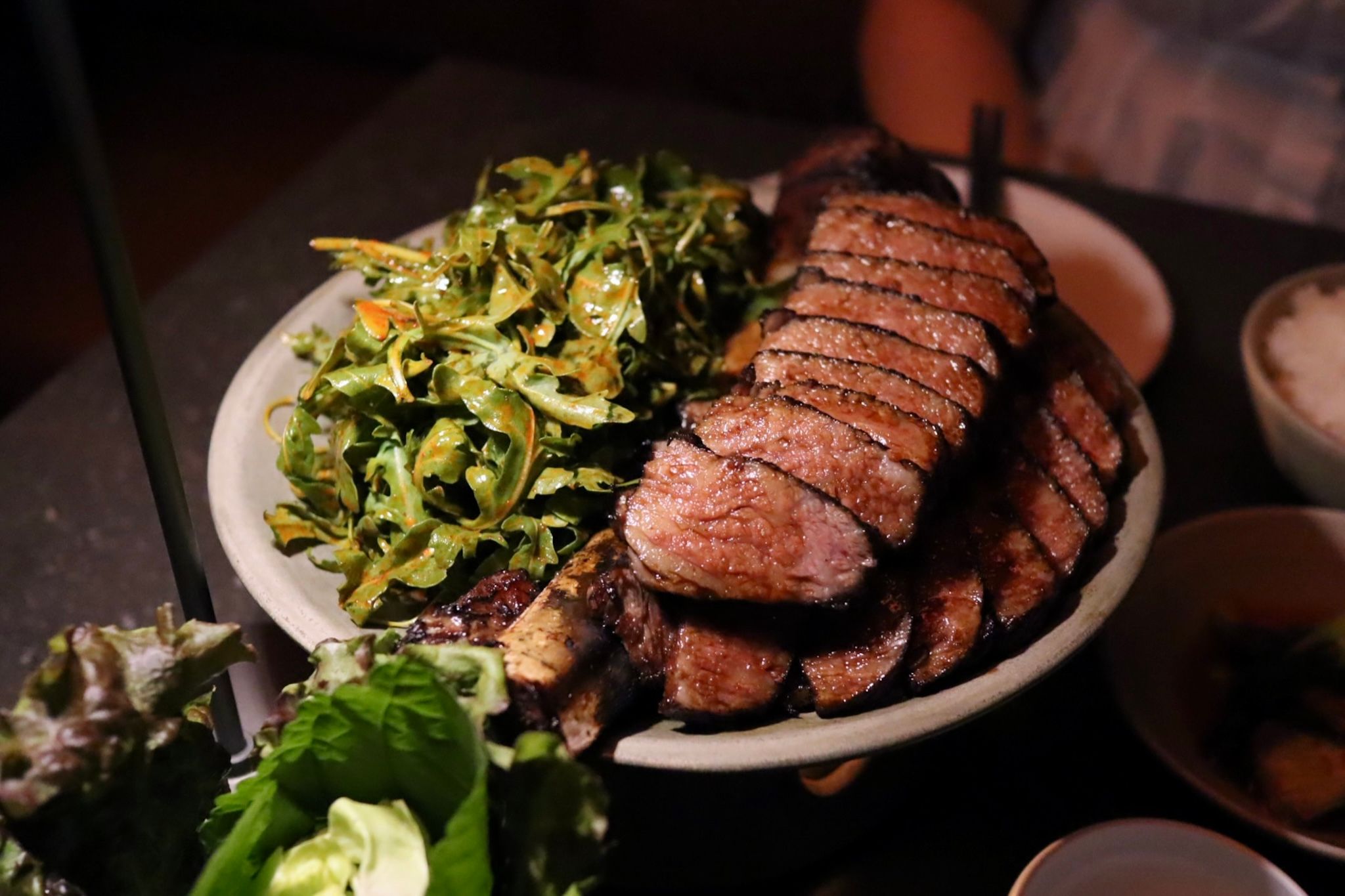
Jeju, a Korean restaurant in Vancouver, recently received a Michelin recommendation. This recognition for a restaurant that opened less than a year ago in Mount Pleasant, following an earlier location in Tofino in 2021, indicates a shifting landscape in global culinary tastes. The restaurant’s founders, Sungeun “Sung” Kim and Yunyoung “Dylan” Kim, met in 2018 while working at a French Japanese fusion restaurant, and Dylan’s mother, a chef for over 40 years, also contributes.
This development is not isolated. In July 2026, Philippine President Marcos met with Canadian officials, describing shared aspirations. However, the wider context in Canada includes significant challenges, such as Vancouver being identified as the anti-Asian hate crime capital of North America in May 2021, and an incident in April 2025 where 11 people were killed by a driver in the city. These social factors can influence consumer choices and the perceived safety of international travel and cultural exchange, which are vital for the export of culinary concepts.
For the Asia-Pacific region, particularly countries like Thailand, the Michelin spotlight on a specific ethnic cuisine abroad presents both opportunities and difficulties. It confirms a growing international appreciation for diverse Asian foods, potentially boosting culinary tourism and exports of ingredients. This shift in recognition can inspire other entrepreneurs to introduce their national cuisines to new markets. However, it also suggests that the competition for global culinary attention intensifies. Thailand's food economy, built on a strong reputation for distinct flavors, must continue to innovate and maintain quality to capture this evolving international demand. The episode of a Michelin-starred Seoul restaurant being fined in September 2026 for serving dessert with ants, for example, illustrates the scrutiny and high standards that come with such elevated recognition.
The success of Jeju in Vancouver, operating in a market with its own complexities, shows that authentic, family-driven culinary ventures can gain significant traction. The focus on a specific national cuisine, such as Korean, rather than a broad “Asian” category, signals a more nuanced understanding among global consumers. This trend implies that for countries like Thailand, promoting regional specialties and distinct culinary narratives could be more effective than generic approaches. The challenge lies in translating this specific international recognition into broader economic benefits for the originating culture, balancing authenticity with market demands, and addressing the logistical hurdles of international expansion for small businesses. The outcome now depends on how actively Asian food producers and restaurateurs leverage these cultural shifts to navigate diverse international markets.
Global consumers are increasingly seeking specific cultural food experiences, moving beyond general categories to explore national and regional particularities. This presents a new framework for economic opportunity for those who can connect cultural heritage with global consumer preferences.
Sources
Newsletter
Pacific Daily
A curated briefing from Thailand, Asia-Pacific and the world.