Vancouver's Daytime Shelter Plan Highlights Cost-Benefit of Urban Homelessness Policies
A Canadian political pledge to fund day services for unhoused residents raises questions about the practical economics of similar initiatives in Southeast Asian cities.
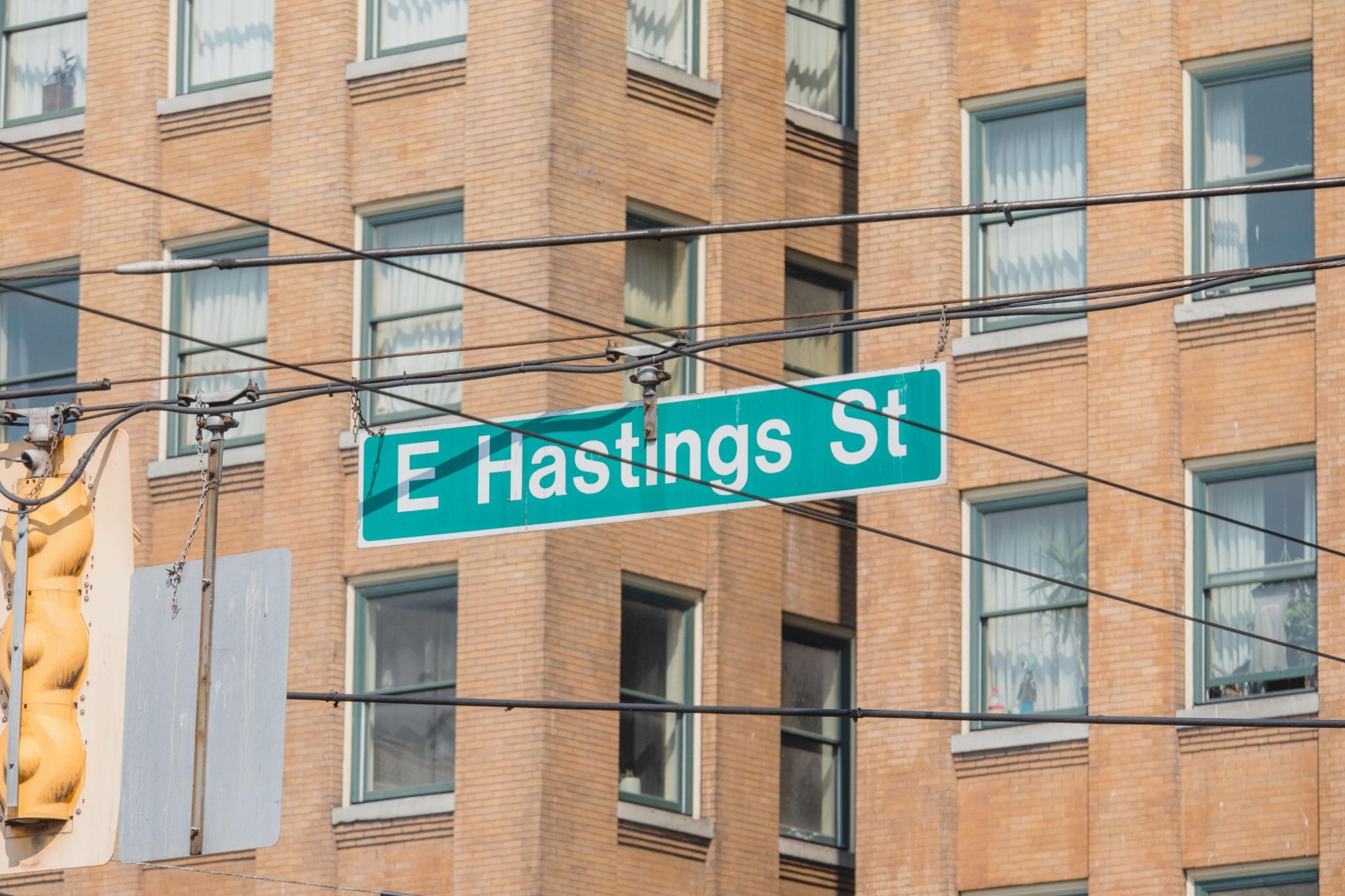
The announcement by BC NDP candidates Amanda Burrows and Terry Yung in Vancouver to fund the Ashtrey Recovery Resource Centre for unhoused people presents a policy choice with clear financial implications. This center, which opened this summer and is named for Trey Helton, a late advocate from the Overdose Prevention Society, aims to provide a daytime congregation space. While framed as a humanitarian effort, such initiatives carry significant, often unseen, costs and benefits that compel close scrutiny.
Ms. Burrows, representing Vancouver-Strathcona, has been a longtime advocate for homeless people in Vancouver. She was vocal against the Crab Park incident back in 2024, when park rangers clashed with advocates. Her statement, "I work in the Downtown Eastside, and I see every day how important it is for people to have safe, welcoming places where they can congregate during the day," emphasizes the social value.
However, the central question for policymakers remains at what occupancy rate these facilities become economically viable, and who ultimately bears the cost. Public funding for such centres implies a transfer of resources, typically from taxpayers. The immediate benefit to the unhoused population is a safe place, reducing street presence and potentially associated social issues. The cost, beyond direct funding, includes the opportunity cost of alternative public spending.
Cities across Southeast Asia, from Bangkok to Manila, face growing urban homeless populations, driven by internal migration and economic disparities. While the scale and nature of homelessness differ, the underlying tension between social welfare and fiscal sustainability is universal. Implementing similar daytime shelter models in these contexts would require a robust assessment of available public funds, existing social safety nets, and the potential for community integration.
Past approaches to homelessness, particularly in North America, illustrate the complexity. Karen Bass, for instance, advanced in the Los Angeles mayoral race in 2026, having campaigned on addressing street encampments, a crisis described in 2022 as “metastasizing.” Her efforts, and those of her opponent Rick Caruso, who also went to a runoff in the 2022 Los Angeles mayoral race, highlight the political imperative to manage visible homelessness. Yet, the question of long-term funding and operational sustainability for such services often persists.
For any city, the financial equation is critical: how much does it cost to manage a visible unhoused population through direct intervention versus the indirect costs associated with public health issues, crime, and public space degradation? A daytime centre, while offering a humanitarian solution, does not address the fundamental lack of housing or employment. It functions as a form of social infrastructure, requiring continuous investment.
Should Asian cities consider similar models, they would need to weigh not only the upfront capital for facilities but also ongoing operational expenses like staffing, utilities, and maintenance. The economic incentive for such policies often stems from a calculation that the societal costs of unmanaged homelessness—emergency services, public clean-up, and lost economic contribution—outweigh the investment in supportive facilities. Nevertheless, without a clear path to self-sufficiency or permanent housing, these centres can become long-term dependencies, straining municipal budgets. The challenge for any jurisdiction is to ensure these facilities are part of a broader strategy, rather than standalone solutions, to address the underlying issues of urban poverty and housing insecurity.
Sources
Newsletter
Pacific Daily
A curated briefing from Thailand, Asia-Pacific and the world.