The Extraction Economy Targeting Independent Authors
Unsolicited representation and fabricated audiences show how cultural labour becomes raw material for low-yield fraud
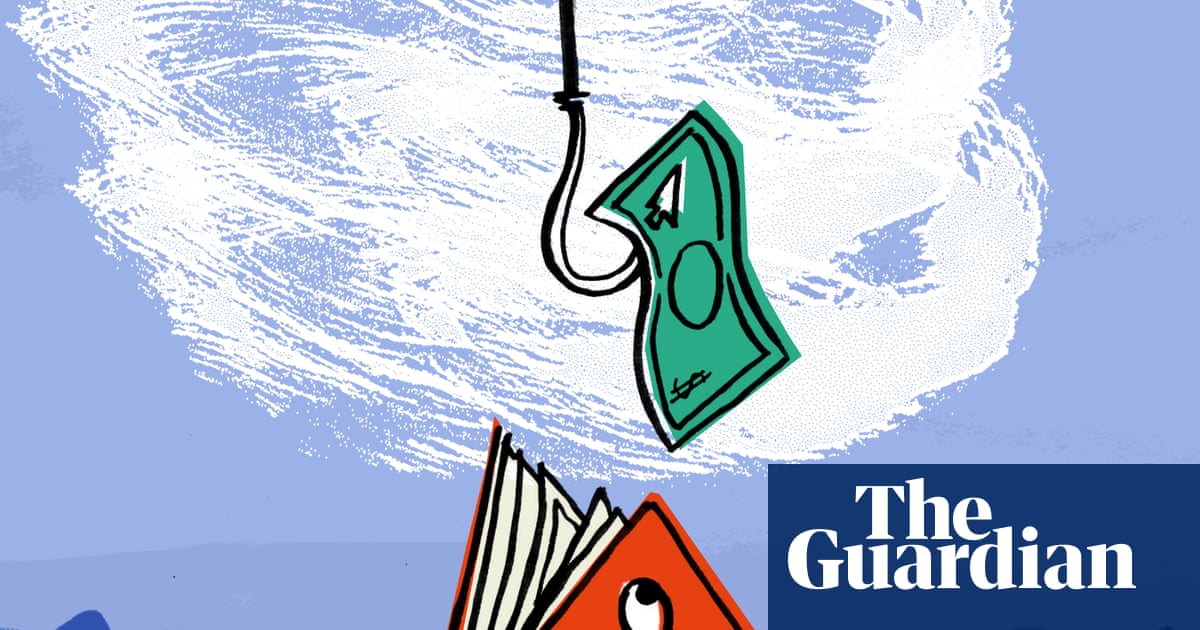
A finished manuscript absorbs months of uncompensated solitary labor, yet modern distribution returns almost nothing to the person who produced it. That deficit creates the market. Writers across the Pacific Rim now face an endless barrage of solicitations offering promotional coverage, film rights packaging, and invitations from purported book groups. These secondary operators intercept primary producers precisely when zero margins make professional validation look like liquidity.
The mechanics are predatory. Consider the outreach directed to Snigdha Poonam, author of Dreamers: How Young Indians Are Changing Their World. The solicitation arrived under the name of Timothy Firth, who claimed to run a Seattle-based organisation called CAM Life Drawing. Firth cited a base of 1,943 members, presenting an outfit working "day and night to create more community space" around creative titles. What looks like regional discovery across international borders is merely extraction retooled as flattery.
Synthetic Demand and Vanity Brokerage
The supply chain forces this vulnerability into the open. Platforms such as Amazon and Goodreads list millions of titles, yet shelf placement yields negligible organic visibility. Because direct readership remains scarce, an apparatus of predatory intermediaries emerges to financialise that structural absence. They invent synthetic audiences, promising vanity distribution or representation in exchange for administrative fees.
Proponents of open digital platforms argue that unmediated networks democratise author promotion. Independent writers theoretically bypass legacy gatekeepers to build global readership directly, connecting with international collectives that champion cross-border work without corporate friction. That defense collapses under operational scrutiny. Genuine civic assemblies do not bill the creators whose work they profess to celebrate.
The commercial arithmetic requires almost no overhead. Dispatching automated solicitations across regional boundaries carries zero marginal expense. If only one credulous author out of thousands wires an advance payment, that single intake clears operational costs and secures an immediate profit. Fraud operates here like an industrial salvage operation: negligible extraction costs preserve margin even on dismal yields.
The Lingering Deficit of Cultural Labor
Reporting originally published in the Dial demonstrates how cross-border cultural prestige gets weaponised against creators in emerging markets. When writers based in India document regional realities, their output regularly draws offshore solicitations trading on American cultural clout. Western distribution remains the bait. Predatory brokers exploit that perceived hierarchy to convert an author's reputation into raw material for low-yield harvesting.
Platforms bear none of this downside. Digital directories profit by hosting public contact listings that scrapers harvest to build target sheets, yet platform operators incur zero liability when automated fraud hits those accounts. Cross-border enforcement across Pacific Rim legal jurisdictions remains practically non-existent for petty financial deception.
Primary cultural producers absorb all upfront production risks while secondary intermediaries strip whatever margin remains. Genuine discovery channels stay narrow, public directories remain polluted with fake outreach, and independent creators must spend working hours defending their balance sheets against vanity brokers selling access to nothing.
Sources
Newsletter
Pacific Daily
A curated briefing from Thailand, Asia-Pacific and the world.