The Durability of the North Korea-Russia Pact Extends Far Beyond European Frontlines
Bilateral commitments engineered between North Korea and Russia shift strategic deterrence across East Asia well past the immediate conflict in Ukraine
SINGAPORE
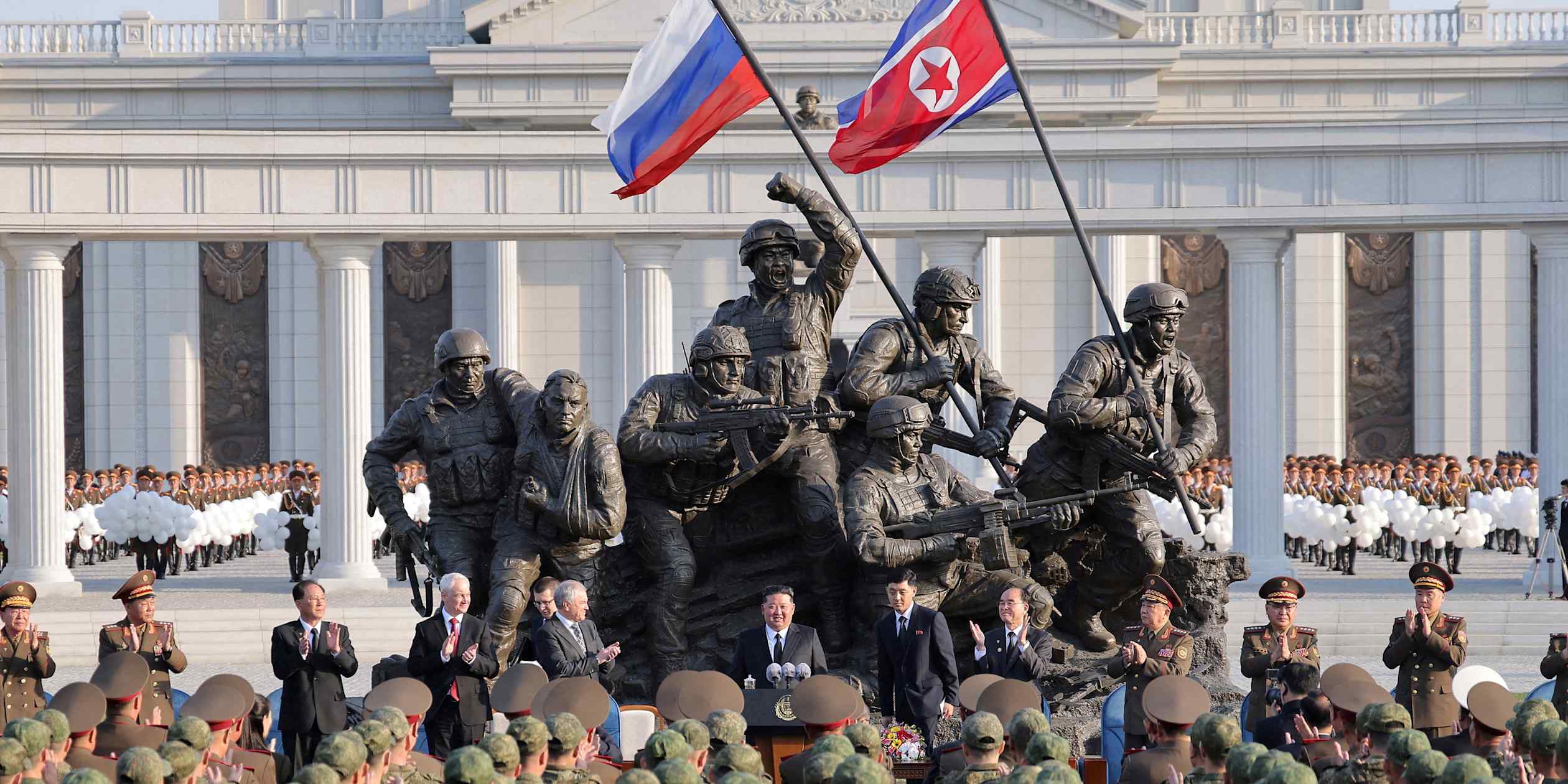
Bilateral security commitments negotiated during active continental fighting are typically shaped by immediate battlefield depletion, yet diplomatic architecture arranged between North Korea and Russia reveals an arrangement calculated to persist long after combat concludes in Ukraine. Diplomatic coordination designed around temporary ammunition transfers often dissipates once frontlines stabilize. In contrast, the mutual framework established between the two governments deliberately establishes institutional dependencies intended to survive the cessation of open warfare, reshaping defensive equations across East Asia.
Historically, security ties along the Pacific rim functioned through cautious calibration, where major powers limited overt commitments to avoid uncontrolled regional escalation. Russia historically balanced relations across the peninsula, preserving diplomatic leverage while containing unpredictable security risks. That traditional equilibrium collapsed as continental military pressures mounted, prompting Russian authorities to trade technical cooperation and diplomatic cover for material munitions. What began as an exchange of stockpiles has evolved into an anchored alignment, binding the strategic trajectory of North Korea directly to Russian security planning.
This structural alignment interrupts decades of international counter-proliferation doctrine. South Korea faces an altered operational frontier where northern weapons systems no longer mature in absolute isolation. Diplomatic insulation provided by Russia disables conventional multilateral pressure mechanisms, depriving maritime states of collective enforcement tools. Strategic planners in South Korea must now evaluate deterrence postures against a neighboring power whose military programs receive continuous political shielding and potential technological reinforcement from an established continental power.
Strategic commitments formed under the pressure of active warfare are hardening into permanent regional architecture.
Shifting Balances Along Maritime Borders
Regional balances across East Asia depend on maritime security corridors that remain highly vulnerable to sudden continental realignments. South Korea anchors sea lines of communication that sustain commercial navigation across the wider Pacific basin. When northern border zones convert from isolated garrisons into integrated military supply hubs, maritime choke points experience indirect strategic strain. Coastal defense doctrines across neighboring archipelagos must adapt to an adversary backed by continental depth, diluting the deterrent value of conventional naval positioning.
Skeptics contend that alignments born of wartime desperation rarely survive peace, arguing that divergent national interests will erode cooperation once fighting slows in Ukraine. North Korea pursues sovereign military self-reliance above external partnerships, while Russia may eventually seek normalized economic interaction with other Asian capitals once territorial conflicts de-escalate. These competing long-term incentives could introduce friction into bilateral coordination, reducing the treaty framework to transactional exchanges rather than a permanent operational bloc.
Yet mutual isolation produces defensive convergence that overrides transactional friction. Russia confronts enduring economic severance from Western capitals, requiring secure perimeter states that resist external sanctions. North Korea gains uninhibited political cover, reducing its vulnerability to multilateral interdiction regimes. Strategic dependence deepened through wartime contracts creates institutional inertia, creating shared supply chains, intelligence networks, and political guarantees that prove exceptionally difficult to dismantle voluntarily.
Unresolved Deterrence Constraints
Continental policy decisions written deep inland inevitably project operational costs directly onto maritime borders. For South Korea, the codification of this partnership eliminates residual ambiguities surrounding northern military escalation. Conventional deterrence strategies calibrated against a solitary adversary must now anticipate coordinated diplomatic resistance, complicating response thresholds during peninsula crises. Pacific defense planners face an expanded continental alignment that operates outside established international constraints.
The resulting regional environment leaves neighboring governments managing a durable structural shift rather than an ephemeral tactical alliance. Neither the eventual resolution of conflict in Ukraine nor intermittent diplomatic summits can easily reverse the institutional infrastructure now binding Russia and North Korea together. East Asia inherits a transformed security landscape where continental integration presents a persistent, unresolved challenge to maritime stability.
Sources
Newsletter
Pacific Daily
A curated briefing from Thailand, Asia-Pacific and the world.