The Domestic Shortcut and the Mechanics of Household Credit
Syndicated culinary formulas reveal how modern hospitality trades physical technique for the mere performance of labor
SINGAPORE
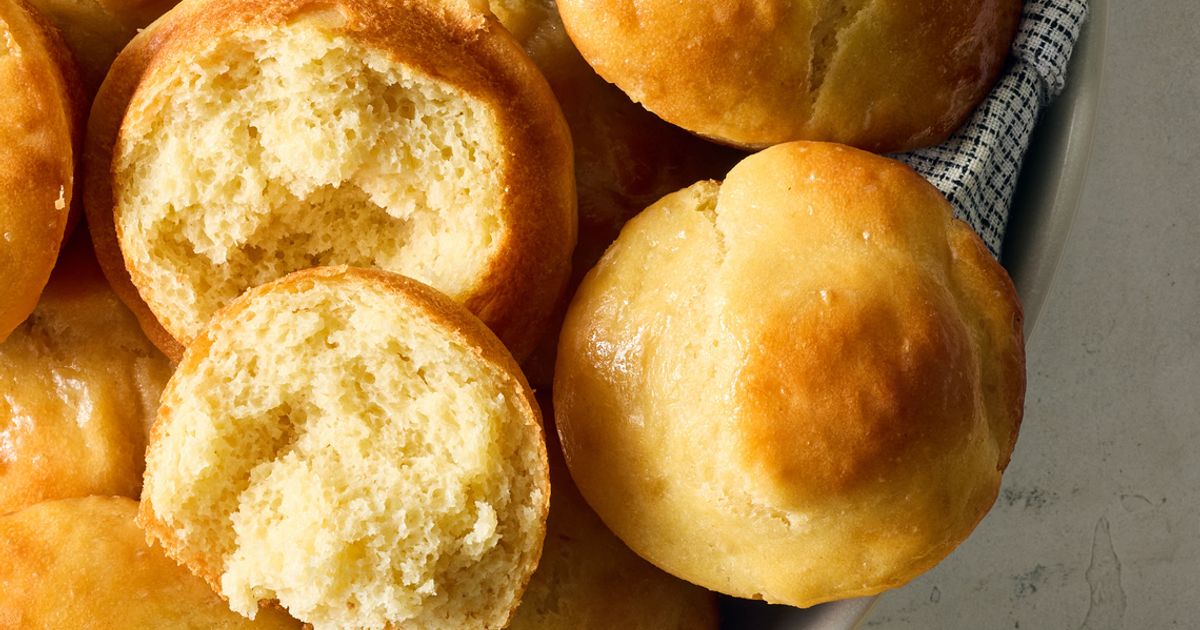
Hydrating flour into a loose slurry requires almost no manual effort, yet home hospitality continues to extract social esteem from the assumption of arduous work. When instructional media packages this dynamic, the underlying transaction becomes unusually visible. In a syndicated dispatch from New York published by The Straits Times Life, home cooks receive instruction on how to win the holidays using homemade yeast rolls paired with whipped honey butter. The text reports that without dense flour to weigh it down, a soupy dough rises effortlessly, developing a heady aroma while dispensing entirely with the need to knead or shape individual balls.
That guidance strips traditional baking of its mechanical burdens while preserving its social rewards. Historically, producing bread from scratch served as verifiable evidence of domestic discipline, requiring physical stamina against a table and careful observation of fermentation. By contrast, the method circulating through The Straits Times Life relies on high hydration to bypass physical exertion while preserving the sensory signals of artisan craft. The instructions suggest sliding the rolls into the oven precisely as the dining table is set, ensuring they emerge hot when guests assemble so an inviting, buttery aroma mingles with the broader meal.
The Calculation of Convenience
Removing manual work redefines the spatial and physical reality of the domestic kitchen. The syndicated account emphasizes that eliminating the kneading and shaping steps saves valuable counter space and avoids the friction of cleaning flour from preparation surfaces. For apartment households across metropolitan centers, where food preparation occurs in compact layouts and leisure hours face strict limits, an undemanding preparation method holds evident appeal. A process requiring minimal physical intervention accommodates the constraints of urban life, converting an intimidating craft into an effortless domestic task.
Yet this convenience exposes an unresolved tension between technical ease and social signaling. If dinner guests marvel at bread made from scratch, their admiration derives from the cultural belief that the host endured prolonged labor. The recipe explicitly engineers a shortcut around that expectation, using olfactory timing to project competence while avoiding the discipline that historically justified the praise. Craft is reduced to an aromatic signal, deployed to produce admiration without demanding the corresponding sweat.
The Democratic Kitchen and Its Trade-Offs
A defensible counterargument exists: removing obstacles to kitchen craft functions as a practical benefit for households that lack professional training. Demystifying yeast doughs encourages families to prepare fresh food rather than relying on commercial industrial items, proving that basic baking does not require specialized equipment or exhausting labor. Lowering the barrier to entry spares domestic energy, allowing cooks to share freshly baked items without bearing prohibitive cleanup costs.
Nevertheless, this mechanical ease exacts a quiet cultural cost by separating the finished product from the discipline of its creation. The soupy dough reliably yields a hot roll and whipped honey butter, satisfying the visual and olfactory expectations of the holiday table. What disappears in the exchange is the physical engagement with the material itself, leaving behind an efficient domestic performance where the appearance of artisan labor outlasts the labor itself.
Sources
Newsletter
Pacific Daily
A curated briefing from Thailand, Asia-Pacific and the world.