The Delusion of the Downpour
Two days of precipitation cleared skies over Central Kalimantan, but temporary rainfall cannot substitute for structural land governance across Southeast Asia.
SINGAPORE
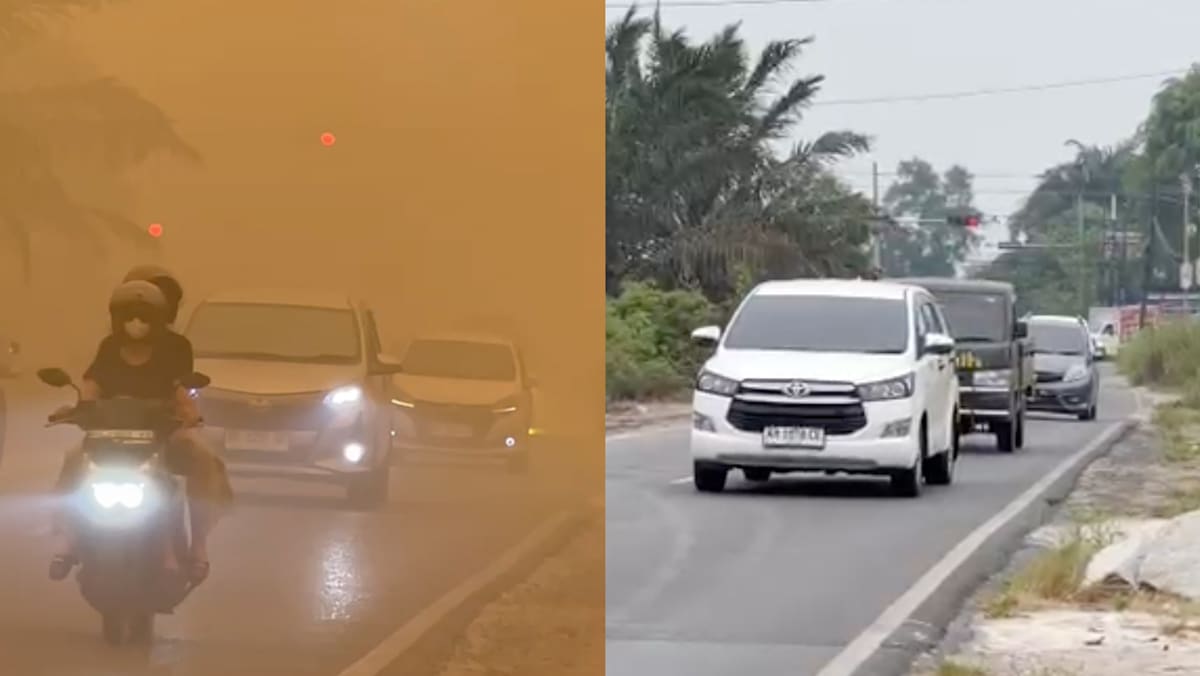
Rainfall across Indonesia can clear municipal skylines within seventy-two hours, yet it leaves the underlying combustible terrain entirely unaltered. That divergence defined the brief atmospheric respite recorded in Central Kalimantan in late October 2026. On Oct 24, dense orange-tinted haze smothered Palangka Raya, reducing surface visibility after months of unchecked land and forest burning. By Oct 27, following two days of showers at the start of the week, the immediate air column cleared. The visual shift documented by Ronnie Alventa offered an immediate sensation of recovery, but state authorities quickly warned that the fires could reignite the moment dry conditions resume.
Atmospheric cleansing is frequently mistaken for ecological stabilization. When precipitation dampens surface foliage, regional monitors register falling particulate levels across maritime Southeast Asia. Yet subterranean peat fires operate under an entirely different physical logic. They smolder beneath the surface canopy, insulated from moderate atmospheric showers and capable of burning undetected across dry seasons. As long as water tables remain depleted by canal drainage, downpours merely suppress surface smoke rather than extinguishing subterranean combustion.
Transboundary Consequences
The regional costs of these seasonal flare-ups extend far beyond the immediate burn zones of Central Kalimantan. Wildfires across Indonesia during September and October 2026 triggered diplomatic frictions by channelling transboundary haze into Malaysia and Singapore, while related blazes turned fatal on Java island, where four people died and two others were badly burned. When coastal capitals track ambient air quality, their regulatory apparatus responds to transboundary drift rather than the commercial drivers clearing peatlands inland. Shifting air currents carry the burden across maritime borders, forcing neighboring economies to bear public health costs generated by land-clearing decisions executed inland.
"It has rained heavily, but the haze is still there,"
Ronnie observed after the initial deluge, capturing the core contradiction between administrative optimism and physical reality. Surface rainfall provides governments with convenient pauses in scrutiny. Environmental ministries and provincial enforcement bodies can point to scrubbed satellite monitors and receding warning tiers without confronting the concessions that drain peat domes in the first place. This governance habit treats weather as an unpaid enforcement contractor. Once meteorology delivers showers, operational urgency evaporates from ministerial conference rooms in Jakarta.
Structural Inaction
The persistence of this cycle reveals the limit of reactive fire suppression. Berton Panjaitan and state authorities face the logistical reality that physical deployment across remote provinces cannot match the pace of commercial clearing. Firefighters and water-bombing sorties cannot saturate vast tracts of compromised peatland without sustained, prolonged monsoon rains. Relying on seasonal transitions leaves nearby populations vulnerable to rapid reversals. A week of unbroken sun consistently reactivates dormant hotspots, turning nominal air quality gains into temporary illusions.
Regional frameworks intended to address transboundary smoke remain anchored to reporting thresholds rather than preventive land reform. Singapore and Malaysia monitor inbound particulate matter, issue domestic health advisories, and lodge diplomatic appeals, while provincial authorities in Indonesia scramble ground resources only after burn scars cover multiple districts. None of these mechanisms address the financial incentives driving drainage and clearance across rural estates. The fundamental tension between economic incentives inland and atmospheric consequences along maritime coastlines remains completely unresolved.
Sources
Newsletter
Pacific Daily
A curated briefing from Thailand, Asia-Pacific and the world.