The Coastlines Absorbing the Climate Bill
Prolonged disruptions in eastern Indonesia expose the gulf between national aquatic output records and artisanal survival.
SINGAPORE
Asia currently powers global aquatic production to record highs, yet the small-scale fishers anchoring remote island food networks remain entirely vulnerable to localized weather shocks. For generations across maritime Southeast Asia, artisanal crews absorbed climate variability through physical endurance and local calculation. That traditional resilience reaches a breaking point when prolonged atmospheric disruption removes the room for maneuver. In the Indonesian Maluku Islands, fishers report that rough seas are keeping skiffs ashore and shrinking seasonal catches as El Niño builds, transforming routine weather friction into sustained household distress.
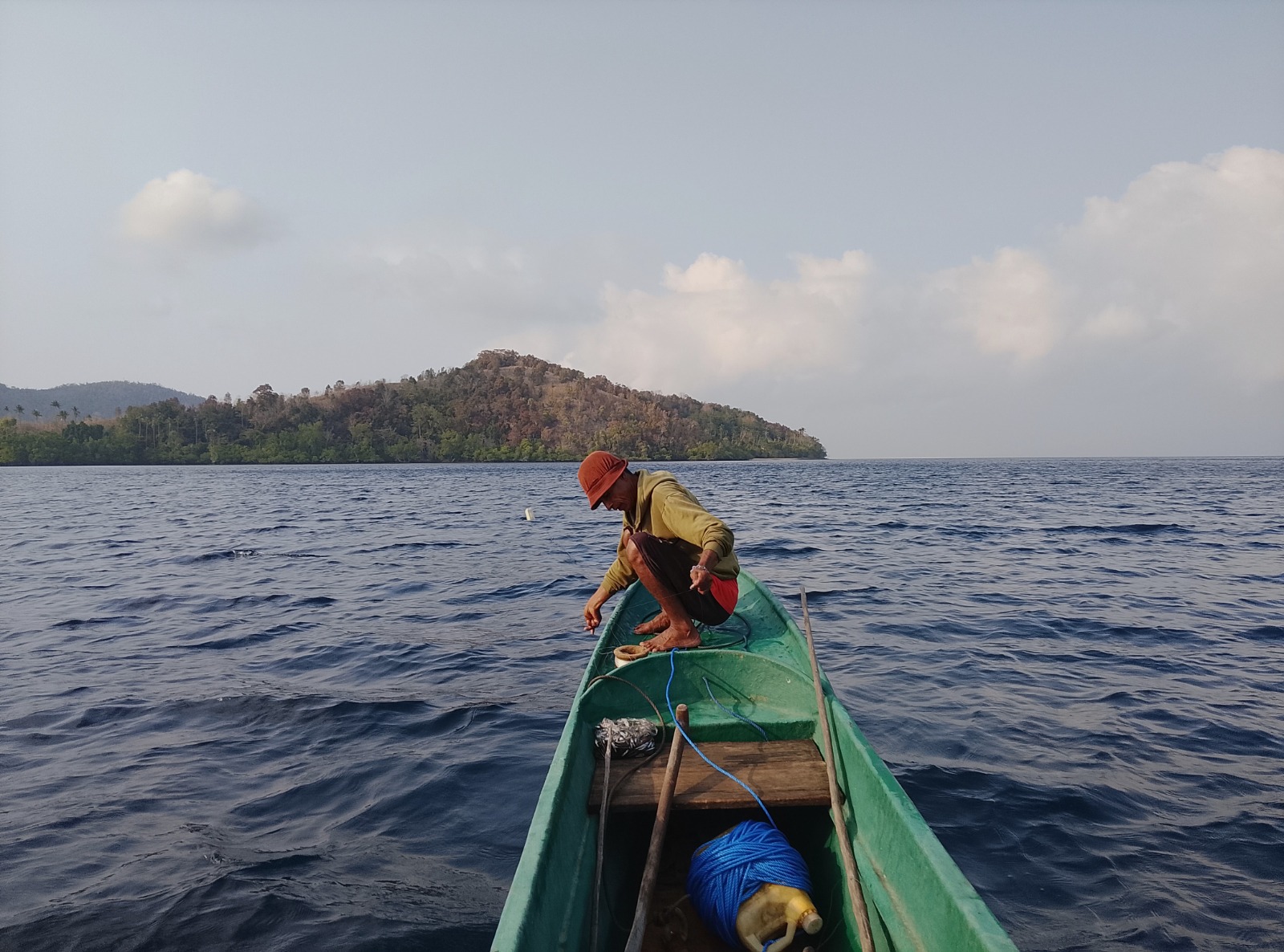
On Seram island, fishing provides the primary source of income for Kaibobo, a village of approximately 1,800 people. Yustinus Pesireron, a 64-year-old fisherman who has worked these waters for three decades, told Mongabay on Oct. 2 that rough seas had grounded him for almost a month—the longest enforced pause in his working life. The earnings generated from selling daily landings fund basic food needs and cover schooling costs for three of his six children. When maritime conditions deteriorate, the financial baseline of dependent families collapses without delay.
Local skippers often choose physical risk over economic paralysis.
Sometimes, even when the weather isn’t good, we still go out to sea and catch some fish,
Yustinus noted, explaining a risk calculation that artisanal crews historically deployed during turbulent seasonal transitions. Even so, individual tolerance cannot overcome conditions that make launching skiffs physically impossible. Monitoring by partners of the UK-headquartered conservation organization Blue Ventures indicates that severe marine conditions are causing widespread interruptions to nearshore operations, pointing toward structural downtime rather than ordinary seasonal delays.
The Regional Accounting Divide
Central fisheries planning in regional capitals consistently evaluates maritime performance through macro-level indicators. Data compiled by the Food and Agriculture Organization in 2026 demonstrates that Asia continues to drive worldwide aquatic output to record volumes, largely propelled by industrial aquaculture expansion. Yet national output figures recorded in ministerial offices provide no liquidity or stabilization for artisanal operators stranded on outer islands. While commercial enterprises leverage capital investments and corporate safety buffers, artisanal fishers in Maluku navigate climatic shifts on personal credit.
Operational pressures compound this exposure. Throughout Southeast Asia, small-scale crews face intense pressure from escalating fuel costs, an overhead burden documented by regional economic reporting. Higher fuel expenditures force operators to spend more resources simply attempting to reach distant fishing grounds, precisely as weather patterns depress total catch volumes. When rough conditions prevent departures entirely, artisanal producers accumulate domestic debt while operating outside formal state insurance schemes or credit guarantees.
Unresolved Shoreline Realities
Fisheries frameworks across the Asia-Pacific frequently concentrate on aggregate industrial yields, export revenue, and territorial management. These bureaucratic priorities rarely account for the domestic economy of coastal settlements where nearshore harvesting represents the sole survival strategy. National policy initiatives, such as those evaluated under international development frameworks for small-scale fisheries, often promote sustainable targets without establishing immediate relief mechanisms for seasonal climate shutdowns. Consequently, the fiscal shock of atmospheric instability falls directly on isolated island households.
This operational impasse leaves coastal management divided between conflicting realities. Inland planners celebrate expansive aquatic production records and long-term export resilience, while the artisanal fishers of Kaibobo must absorb the immediate physical and financial costs of a warming ocean. Until maritime policies address income stabilization for remote shorelines, the divide between national economic growth and coastal vulnerability will remain an unresolved friction across the region.
Sources
Newsletter
Pacific Daily
A curated briefing from Thailand, Asia-Pacific and the world.