Tariffs, Geopolitics and the Cost of Capital Across Asia
Donald Trump frames American strength through trade barriers and conflict, leaving regional enterprise to absorb structural cross-border friction.
SINGAPORE
Tariff policy functions as an immediate tax on cross-border logistics. Speaking to voters ahead of congressional midterm elections, US President Donald Trump consolidated his economic platform into three instruments: an immigration crackdown, confrontation with Iran, and tariffs. His assessment offered on the Fox & Friends show that national renewal stems directly from protectionist containment defines the operating environment confronting international commercial operators. Washington continues to treat trade barriers as primary tools of statecraft, forcing industrial occupiers and logistics funds to recalculate long-term capital allocations.
"We have to keep America great. We're great now. We were terrible two years ago,"
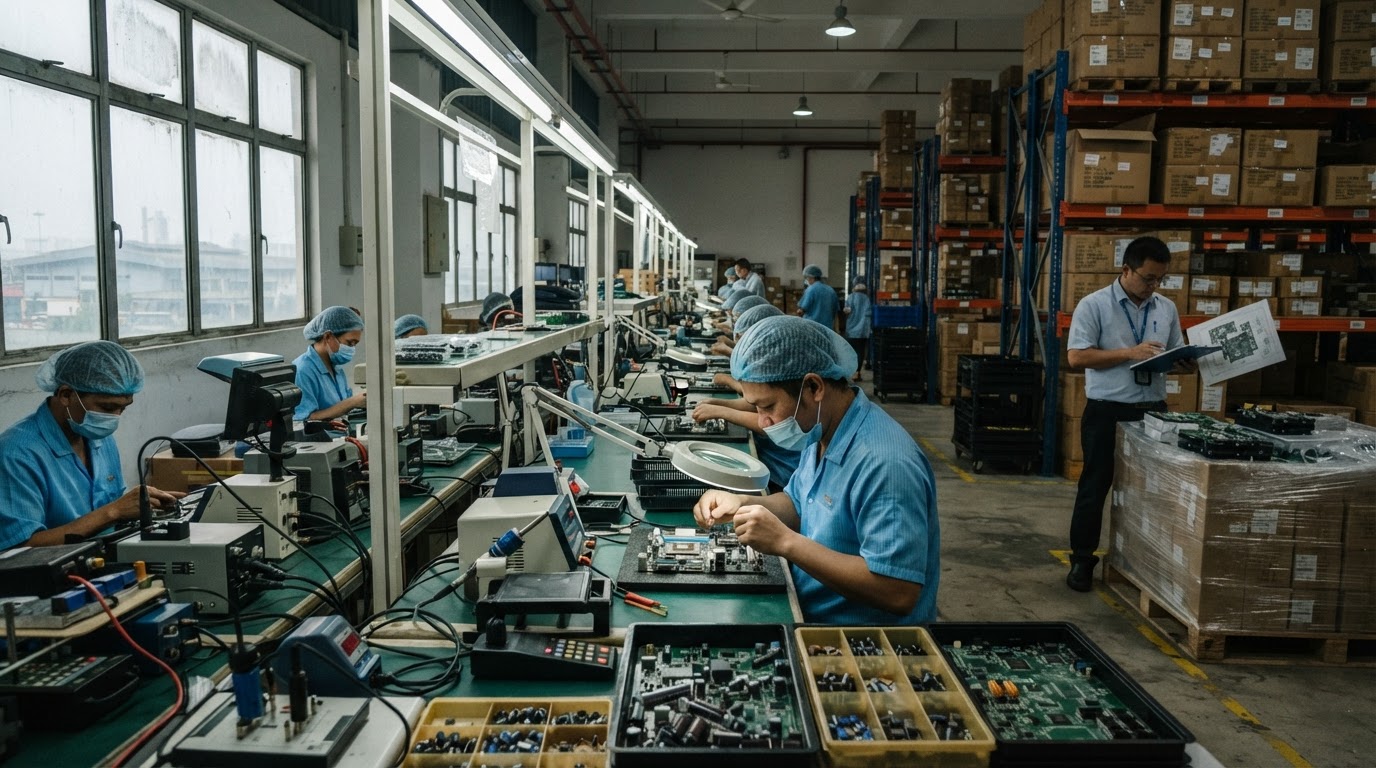
That message delivered on Tuesday reflects an institutional turn toward economic nationalism. For commercial real estate, logistics developers, and cross-border manufacturers across the Asia-Pacific, tariff regimes alter land-use economics and industrial tenant viability. Manufacturing footprints do not shift overnight. Instead, punitive tariffs compress corporate margins, force defensive inventory hoarding, and trigger sudden capital reallocations that displace smaller production hubs. Institutional property owners must absorb the resulting operational churn as tenants adjust balance sheets to survive fluctuating export costs.
Shifting Capital and Industrial Assets
When Washington elevates import duties and trade barriers, the price of industrial space in alternative Asian production corridors adjusts rapidly. Exporters seeking shelter from direct American levies scramble for regional warehousing and secondary assembly capacity. Structural friction accompanies this arbitrage. Land values and facility lease rates in non-targeted territories face artificial inflation, pricing out indigenous manufacturing tenants who cannot offset rising logistical expenses. Factory operators with thin operating margins face immediate displacement as prime industrial floor space commands substantial rental premiums from multinational conglomerates.
Trade measures operate as domestic consumption burdens while simultaneously acting as regional land-use disruptors. The enforcement push along the southern United States border with Mexico reflects this calculated decoupling from established trade integration. Rather than fostering stability, policy unpredictability penalises long-term commercial investments in manufacturing plants, distribution networks, and maritime logistics facilities. Smaller local fabricators find themselves priced out of industrial zones near major container terminals as multinational operators bid up square footage to stage transshipments and bypass trade barriers.
Escalating hostilities concerning Iran add an energy premium to these operational hurdles. Heightened conflict strains maritime corridors, inflating bunker fuel charges and insurance premiums across Asian shipping lanes. Commercial enterprises absorb these compounding expenses directly into their baseline operating expenditures. Financing costs climb accordingly, suppressing yields across institutional property portfolios that require predictable cross-border supply chains. Capital that would otherwise flow into long-term facility expansion remains held in reserve to buffer against sudden logistics disruptions.
The Congressional Stakes
Partisan competition surrounding the Senate and the House of Representatives sharpens these corporate calculations. While Democrats campaign against the economic disruption associated with the executive platform, protectionist mechanisms retain institutional endurance in Washington. Obama intervened on the campaign trail for Democrats ahead of the midterm elections, highlighting persistent political divisions over trade policy and domestic governance. Trade defensive posturing nevertheless remains entrenched across both legislative chambers, meaning a change in committee leadership rarely dismantles existing border duties.
Investors attempting to parse whether the Republican Party preserves congressional dominance face a clear baseline reality. Policy levers that restrict market access and elevate cross-border tariffs survive shifts in legislative control. Counterarguments suggest that aggressive tariffs may ultimately force trading partners into concessions that restore stable terms of commerce. Such an outlook underestimates how deeply structural cost inflation impairs intermediate suppliers and physical industrial occupiers long before diplomatic settlements materialize. When input costs rise and distribution timelines stretch, marginal producers cannot wait for trade treaties to restore their balance sheets.
Asian trade networks and regional property markets must navigate protracted structural friction. Industrial tenants face elevated input costs, uncertain ocean transport routes, and speculative lease spikes in diversion hubs. Commercial developers are already reassessing speculative warehouse starts as debt yields rise and tenant underwriting becomes more conservative. The unresolved constraint remains whether regional enterprise can absorb persistent policy-driven cost inflation without choking institutional capital flows across Pacific supply corridors.
Sources
Newsletter
Pacific Daily
A curated briefing from Thailand, Asia-Pacific and the world.