The Mechanical Limits of Qatari Mediation in the American-Iranian War
Mediation by Qatar cannot reconcile fundamental strategic differences while tactical strikes on Qeshm island and electoral deadlines dictate engagement.
SINGAPORE
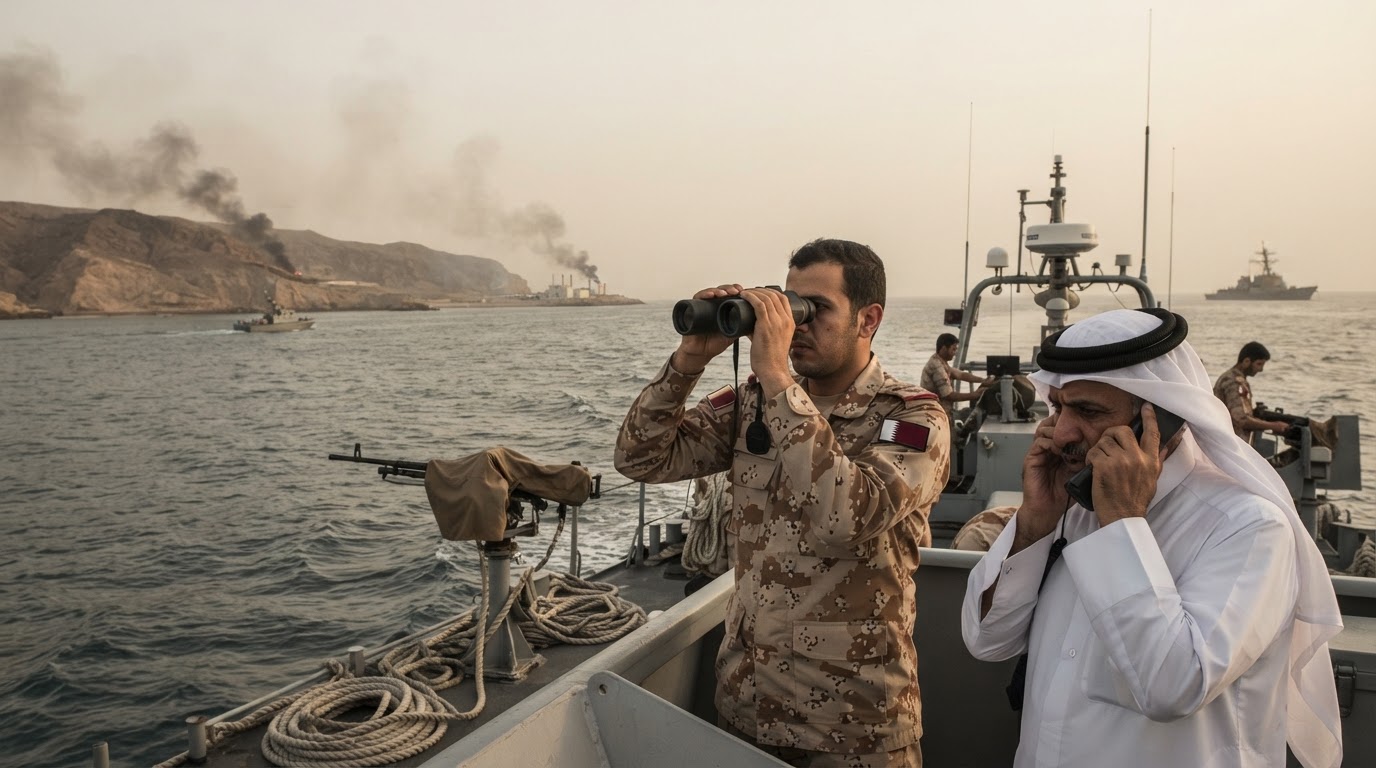
A diplomatic engagement mediated by Qatar and an overnight military strike in the Gulf occurred in parallel on Tuesday. While Qatari mediators conducted talks aimed at ending the war between the United States and Iran, American forces launched strikes on Qeshm island targeting Iranian surface-to-air missiles. A senior Iranian official acknowledged to Reuters on Nov 3 that the two adversaries remain far apart on a deal to end their war. This simultaneous occurrence of mediation and targeted bombardment demonstrates that neither capital has subordinated military operations to diplomatic procedures.
The official explanation from Washington described the action on Qeshm island as defensive and limited, designed to neutralize surface-to-air missiles used against American assets rather than initiate broader combat. Yet the arrival of strikes on Iranian territory directly challenges the diplomatic momentum that mediators in Qatar sought to build. When bilateral talks proceed amid active military exchanges, tactical deterrence supersedes diplomatic concessions. Each defensive action preserves local security perimeters while reinforcing political intransigence on both sides.
Electoral Deadlines and Deterrence
Electoral calendars further narrow the scope for diplomatic agreement. Observers across the region monitored the approach of the United States midterm elections and the deadline associated with US President Donald Trump. Mediators in Qatar stepped up efforts to bridge differences and avert a renewed escalation after the voting concludes. A senior Iranian official confirmed that bridging existing differences remains elusive despite Qatari efforts. Political deadlines compress diplomatic timetables without resolving the structural disagreements that created the war.
Mobilization within Iran reflects this sustained distance between the two governments. In Tehran, a member of the IRGC attended a military training centre for ordinary citizens at Tajrish Square on Nov 2, 2026. Citizen training sessions of this nature serve an explicit domestic signalling function. By preparing civilian reserves for prolonged hostilities, Iranian authorities signal that ongoing military strikes will not force immediate administrative capitulation. Public posture in Tehran indicates an operational assumption that confrontation will outlast the current American electoral calendar.
The Structural Ceiling on Intermediary Talks
Intermediation by third parties faces clear operational ceilings when combatants prioritize tactical deterrence over mutual concessions. Mediators from Qatar have maintained communication channels across multiple sessions. What procedural mediation cannot generate is the structural incentive for either Washington or Tehran to modify core military demands. A negotiated settlement requires both capitals to accept mutual limits on force deployment and missile operations, terms on which neither government has demonstrated flexibility.
The primary counterargument maintains that active mediation in Qatar provides an essential communication channel that prevents tactical miscalculation from triggering uncontrolled escalation. Proponents of this view argue that structured dialogue allows both parties to absorb limited tactical actions, such as the defensive strikes on Qeshm island, without widening the conflict into general war. That analysis accurately credits mediation with providing crisis communication. Nevertheless, relying on diplomatic channels to absorb kinetic strikes creates an unstable equilibrium that erodes with each subsequent exchange.
Ultimately, mediation cannot permanently insulate bilateral relations from active military friction. Stability across critical shipping lanes now depends on whether Washington and Tehran conclude that strategic settlement delivers greater security than ongoing tactical deterrence. Until that calculation changes, Qatari mediation will manage crisis communication rather than deliver an end to the war.
Sources
Newsletter
Pacific Daily
A curated briefing from Thailand, Asia-Pacific and the world.