Asia Faces the Electoral Threat of American Trade Barriers
Anticipated shifts in congressional power risk triggering renewed protectionist policies across regional export corridors.
SINGAPORE
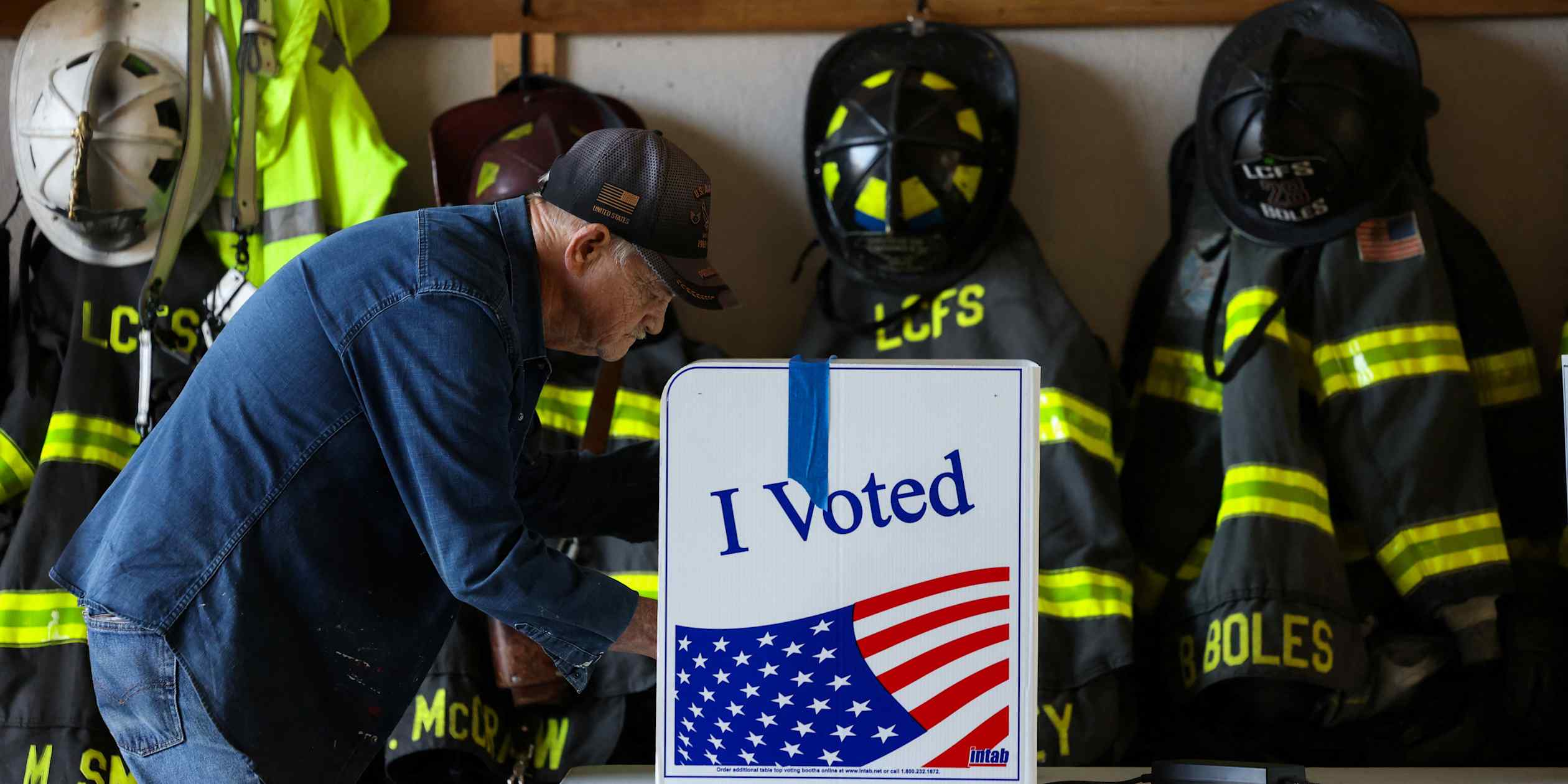
Electoral shifts in the United States routinely test the stability of global commercial networks. With the 2026 midterm voting under way, governments and industrial exporters across Asia are confronting the immediate prospect of a renewed trade offensive directed by Donald Trump. The anticipation alone reveals how deeply exposed regional manufacturing remains to domestic American political calculations.
Cross-border supply chains depend upon predictable institutional rules. When legislative power balances shift in Washington, trade policy often serves as the fastest lever for executive action. Nikkei Asia reported on November 3, 2026, that Asian economies are bracing for another wave of tariff measures linked to Trump's political agenda. The vulnerability is structural: decades of industrial integration have created assembly pipelines that ultimately rely on steady demand from American buyers.
Shifting Electoral Ground
Trade rhetoric frequently hardens during midterm contests, but the durability of the threat depends on institutional leverage. Export-dependent hubs from East Asia through Southeast Asia operate on thin operational margins, where an unexpected customs surcharge alters corporate balance sheets overnight. The immediate concern is whether an aggressive tariff push will be deployed broadly or calibrated against specific industrial categories.
Yet viewing this pressure purely through a protectionist lens overlooks how Asian exporters have previously adapted. Intermediary manufacturers frequently adjust shipping routes, reroute components, or absorb nominal losses to preserve market share. Diversification away from single-destination consumer markets has also gained traction across the Asia-Pacific. If these defensive buffers hold, sudden policy announcements from Washington may deliver diminished leverage compared with previous trade standoffs.
The Cost of Commercial Uncertainty
That flexibility faces severe operational constraints. Supply chains cannot reconfigure indefinitely without compounding overhead costs. Smaller domestic suppliers lack the capital reserves required to establish parallel distribution networks or hedge against sudden regulatory shifts. If Washington adopts expansive trade barriers, the resulting strain will fall unevenly on tier-two and tier-three subcontractors throughout developing Asian markets.
The broader economic hazard is not merely the imposition of tariffs, but the paralysis created by perpetual policy instability. Corporate planning cycles slow when capital investment depends on volatile congressional outcomes. Capital allocators hesitate to commit to long-term factory construction while the threat of punitive duties hangs over finished goods. For regional policy planners, insulation against unilateral external trade shocks remains an elusive goal, leaving export stability subject to political decisions made across the Pacific.
Sources
Newsletter
Pacific Daily
A curated briefing from Thailand, Asia-Pacific and the world.