Japan and Bangladesh Test the Limits of Bilateral Trade Treaties
Japan's plan to formalise an economic pact with Bangladesh confronts structural trade asymmetries that bilateral legal text cannot easily offset.
SINGAPORE
Japan is moving forward with negotiations for Bangladesh's first economic pact. The move represents an institutional shift for Bangladesh toward reciprocal market commitments. It signals that unilateral tariff preferences will eventually give way to formal bilateral obligations. For both sides, this transition exposes the mechanical friction between legal diplomacy and industrial reality.
Japan views the prospective agreement as an instrument for investment stability and supply chain security. Capital allocators require transparent dispute mechanisms, uniform tariff enforcement, and clear regulatory protections. Bangladesh seeks preserved duty concessions for manufacturing shipments alongside direct capital investment into domestic production. The underlying commercial exchange, however, remains structurally asymmetric.
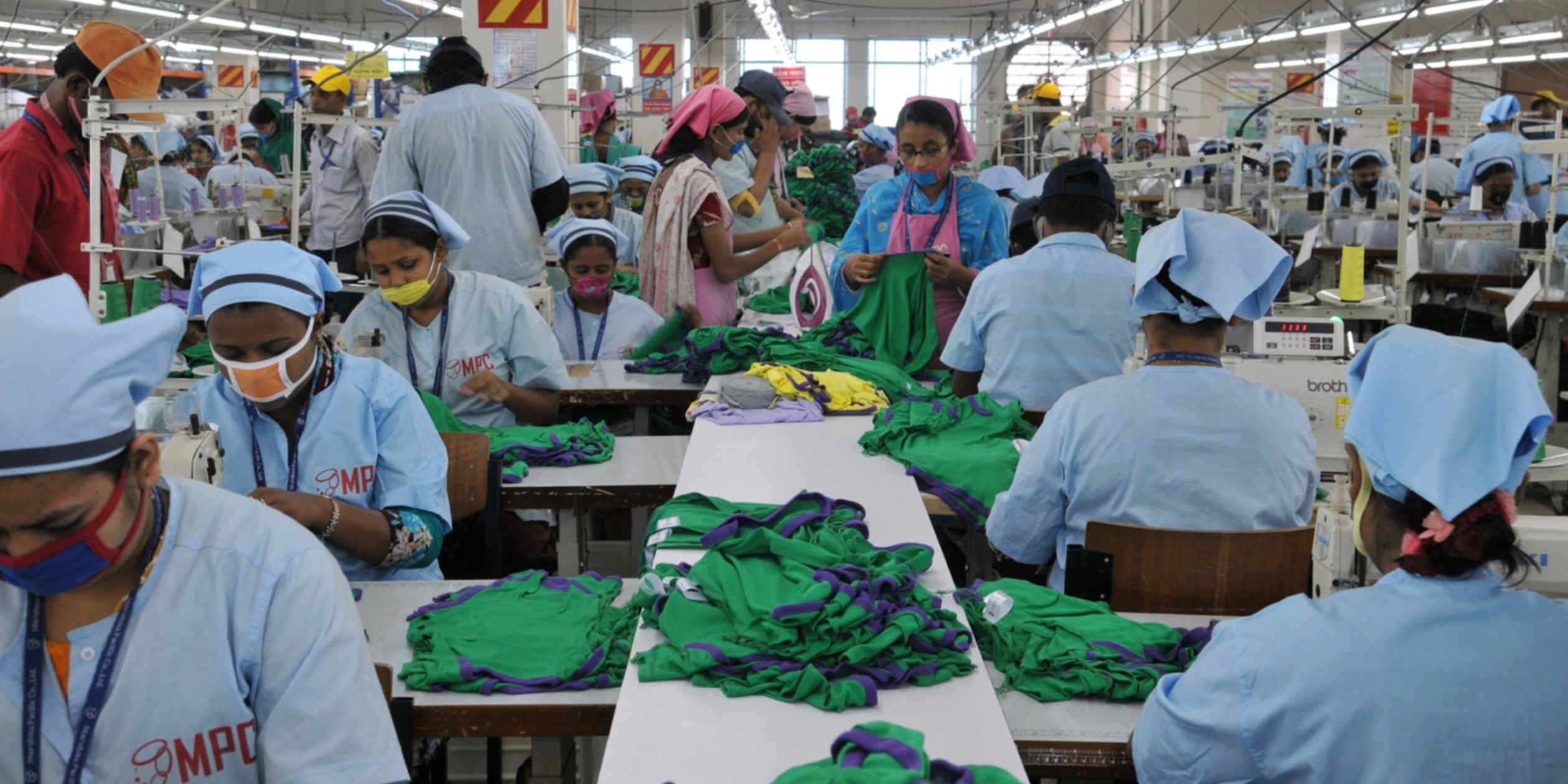
Bilateral pacts between mature industrial economies and export-dependent developing nations rarely distribute practical utility equally. Japan produces capital goods, industrial machinery, and intermediate precision components. Bangladesh exports basic consumer items and manufactured apparel. When tariff schedules compress symmetrically, domestic producers absorb fundamentally different degrees of competitive pressure. Capital-intensive manufacturing absorbs tariff reductions through operational scale and high technological barriers. Low-margin consumer production lacks that defensive buffer.
Tariff rationalisation risks exposing domestic industrial sectors in Bangladesh before domestic productivity reaches competitive parity. Japanese enterprises simultaneously face infrastructure deficits, administrative bottlenecks, and regulatory procedures that formal bilateral treaties identify but cannot resolve. Lowering import levies does not clear congested transport corridors. Bilateral clauses cannot build power transmission networks.
The Disconnect Between Treaties and Commercial Reality
Legal codification of an economic pact does not automatically alter corporate capital allocation. Private Japanese balance sheets do not authorise direct foreign equity merely because bilateral representatives conclude negotiations. Corporate finance committees evaluate port clearance durations, utility reliability, and currency liquidity. Operational risk models prioritize physical infrastructure over diplomatic communiques.
Formal legal commitments cannot compensate for operational bottlenecks on factory floors and shipping docks.
Without domestic administrative reforms, statutory parity remains purely theoretical. Japanese manufacturing groups have built regional assembly networks where operational ecosystems already function efficiently. Replicating those networked production hubs requires sustained physical capital deployment that treaty clauses can encourage but cannot command. Private capital moves toward functioning supply chains rather than aspirational legal frameworks.
Supporters argue that formalising an economic pact provides Bangladesh with institutional policy predictability. That position carries analytical merit. Binding legal frameworks enforce dispute resolution standards and moderate sovereign risk assessments across extended planning cycles. Foreign investors value transparent statutory rules when projecting multi-year capital depreciation.
Regulatory parity also restricts domestic policy latitude. Developing countries routinely employ selective tariff adjustments, domestic procurement conditions, and targeted subsidies to support nascent industrial sectors. Comprehensive economic pacts limit the application of those defensive policy tools. Bangladesh risks accepting binding policy constraints in return for incremental export advantages that baseline market access could otherwise accommodate. Relinquishing trade defence mechanisms narrows future fiscal room for targeted industrial development.
Structural Asymmetries in Bilateral Execution
The strategic calculation for Japan entails distinct operational hurdles. Japanese industrial conglomerates seek geographical diversification across regional supply chains. Extending manufacturing ties into South Asia provides strategic resilience against supply disruptions. Operational relocation requires predictable customs processing and dependable logistics networks. Expanding overseas operations without localized supplier networks raises operating overhead.
When imported industrial inputs experience port delays or administrative friction, the financial value of preferential tariff access diminishes rapidly. Bilateral agreements define formal market access on paper. Administrative capacity determines operational margins on the ground. Negotiating teams cannot eliminate physical infrastructure deficits through treaty language alone. Supply chain continuity requires physical velocity, not merely tariff exemptions.
Advancing Bangladesh's first economic pact establishes a formal milestone for bilateral engagement. Translating that status into commercial returns, however, depends entirely on administrative execution and industrial capacity that bilateral treaties describe but cannot construct. Until physical trade bottlenecks and domestic regulatory barriers resolve, the pact remains a legal scaffolding over an incomplete industrial foundation.
Sources
Newsletter
Pacific Daily
A curated briefing from Thailand, Asia-Pacific and the world.