Indonesian Naval Diplomacy Highlights Regional Healthcare Disparities
While Jakarta projects soft power through medical aid in Fiji, underlying challenges within Indonesia's healthcare system influence regional patient flows.
SINGAPORE
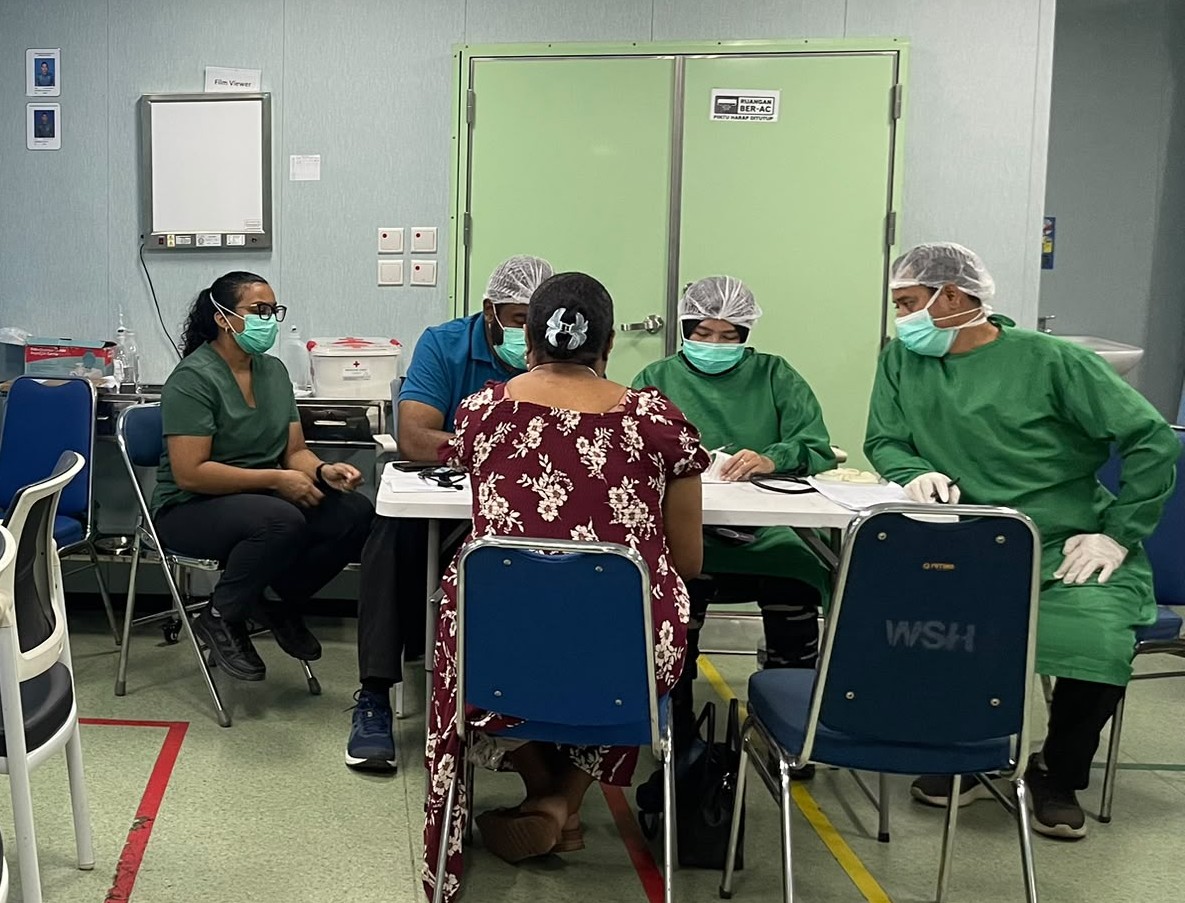
The Indonesian Navy hospital ship KRI dr. Wahidin Sudirohusodo-991 treated 504 patients during a two-day visit to Fiji, according to Islands Business. This deployment underscores Indonesia's capacity for humanitarian aid in the Pacific, reflecting a strategic outward focus on regional influence through medical diplomacy.
Yet, this international outreach contrasts with persistent domestic healthcare pressures within Indonesia. While a recent boom in healthcare services has been attributed to Indonesian patients by The Star in 2026, suggesting internal demand, the country's hospital system faced severe strain in 2021. During that crisis, car parks were converted into emergency rooms, as reported by The Guardian. These events signal that structural vulnerabilities in healthcare access or capacity may persist, despite expanded services. This tension between external aid and internal needs offers a lens for Jakarta's regional strategy.
From a market perspective, deploying a hospital ship, while assisting Fiji's immediate needs, also acts as a signal regarding regional healthcare dynamics. Indonesia's domestic healthcare infrastructure has demonstrated a need for resilience and expansion. This condition incentivizes wealthier Indonesian patients to seek medical treatment abroad. This outward flow contributes to healthcare booms in neighbouring countries, as observed in 2026. The dynamic implies a market where domestic capacity issues can drive consumers to seek solutions elsewhere, regardless of partial internal improvements.
For Thailand, this regional context matters. As a hub for medical tourism, Thailand attracts patients from across Southeast Asia. Should Indonesia's healthcare system continue to exhibit strain, the incentive for Indonesian patients to travel to countries like Thailand for medical services could endure. Conversely, substantial enhancements in Indonesia's domestic capacity and quality could alter regional patient flows, potentially re-routing medical travel that presently benefits other Asian providers.
The decision to deploy resources like the KRI dr. Wahidin Sudirohusodo-991 to Fiji, commendable for its humanitarian aspect, implies a strategic calculation beyond immediate aid. It prompts questions regarding medical resource allocation and the balance between domestic investment and international projection. The unresolved constraint remains the sustained, equitable enhancement of healthcare access and quality across all segments of Indonesia's own population, influencing regional health migration patterns and the competitive landscape for medical services.
Sources
Newsletter
Pacific Daily
A curated briefing from Thailand, Asia-Pacific and the world.